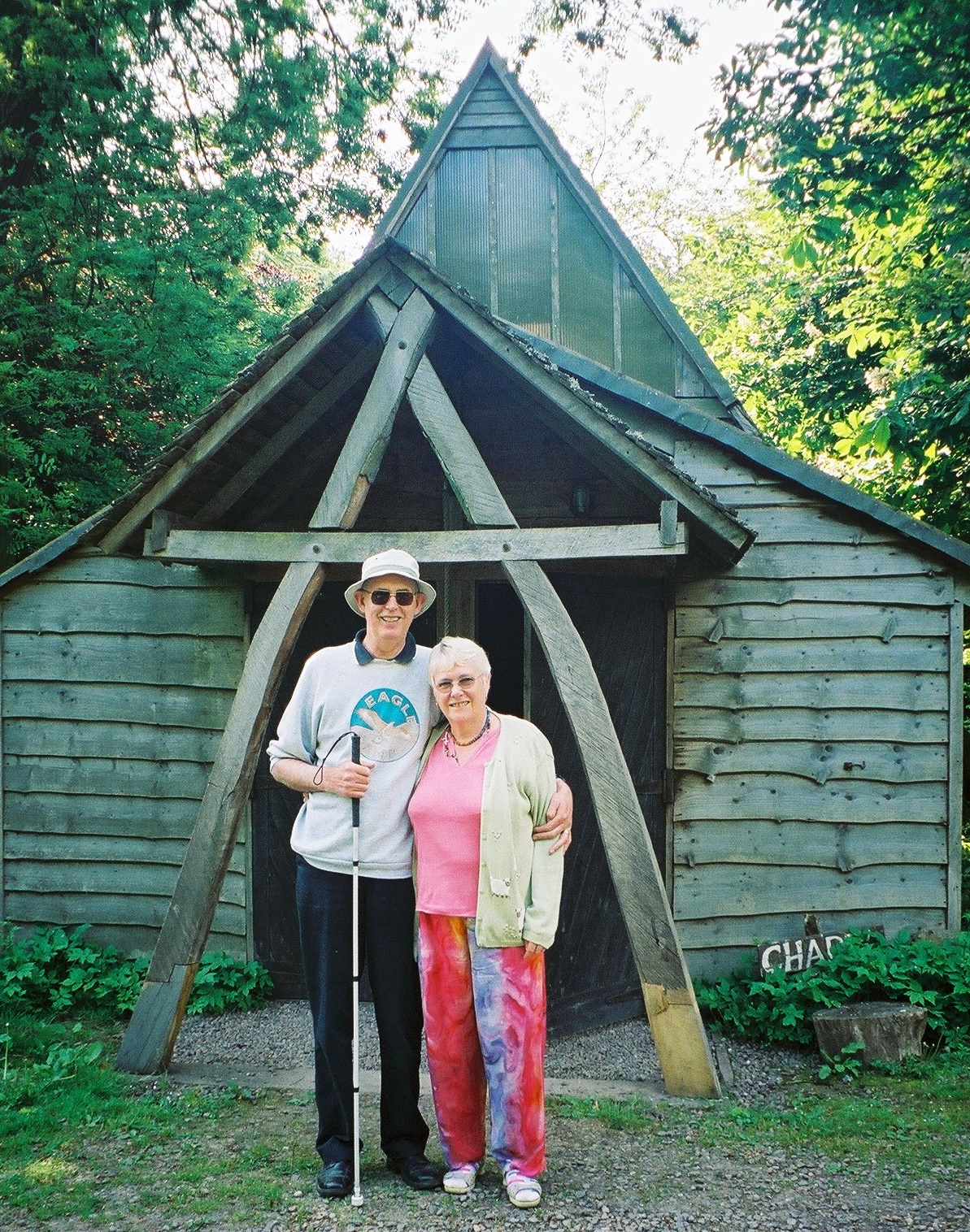
Exploring our local treasures of Northumberland

Living in one of the most beautiful counties in England – Northumberland, we are spoiled for choice when we decide to go for a day out.

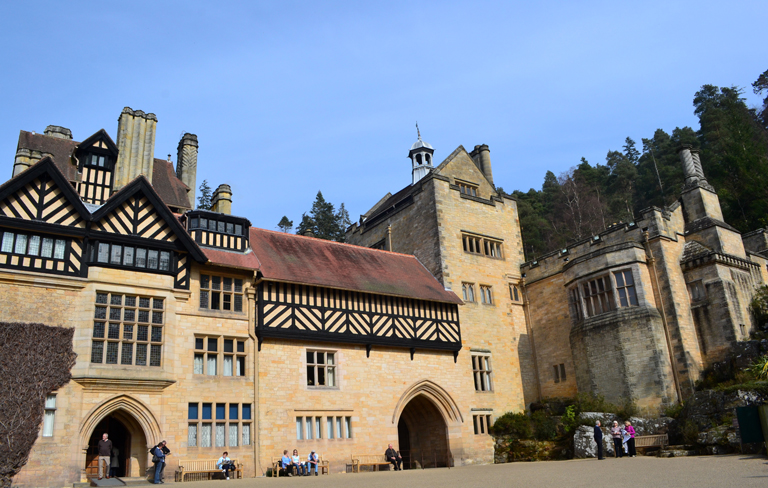
Cragside – (left-click on any photo to see a larger version)


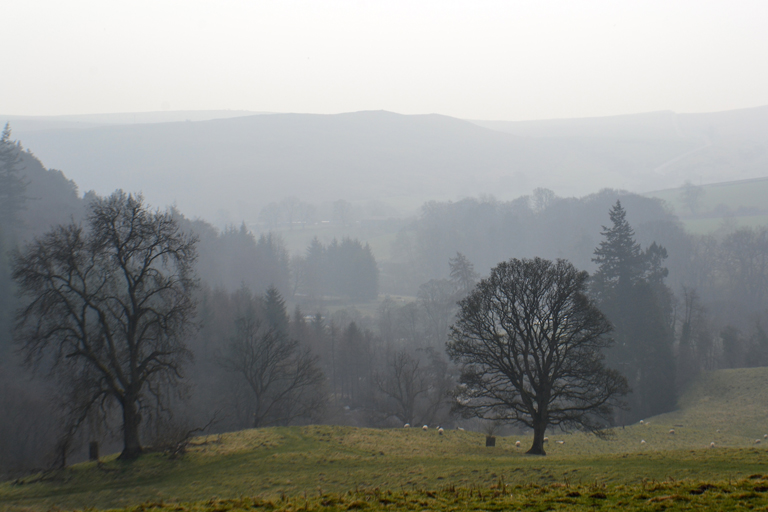
Simonside & the Coquet Valley, Northumberland (left-click on any photo to see a larger version, arrow back to this page)


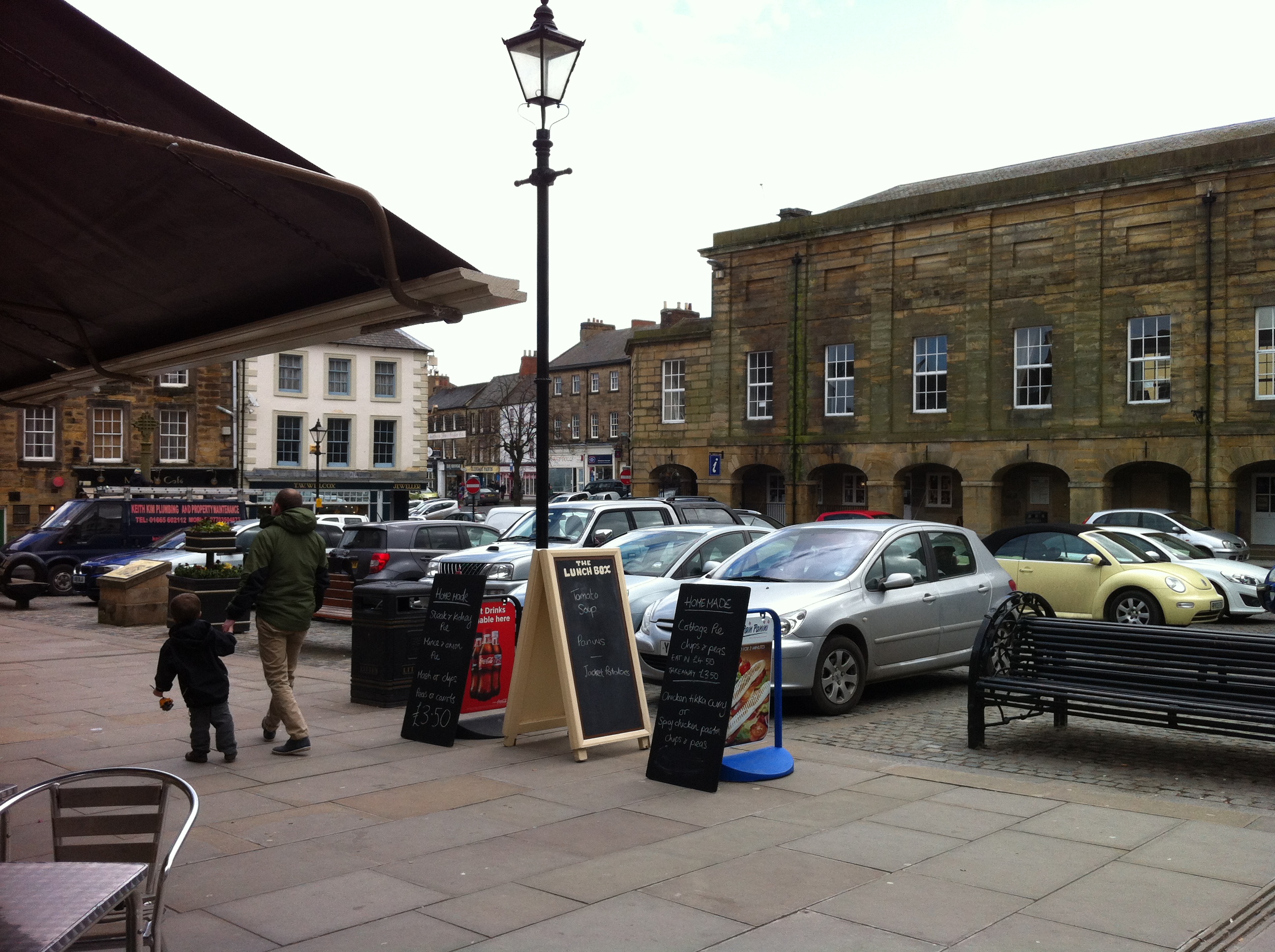
We live in Alnwick, the County town, seat of the Earls and Dukes at Alnwick Castle for 700 years now.

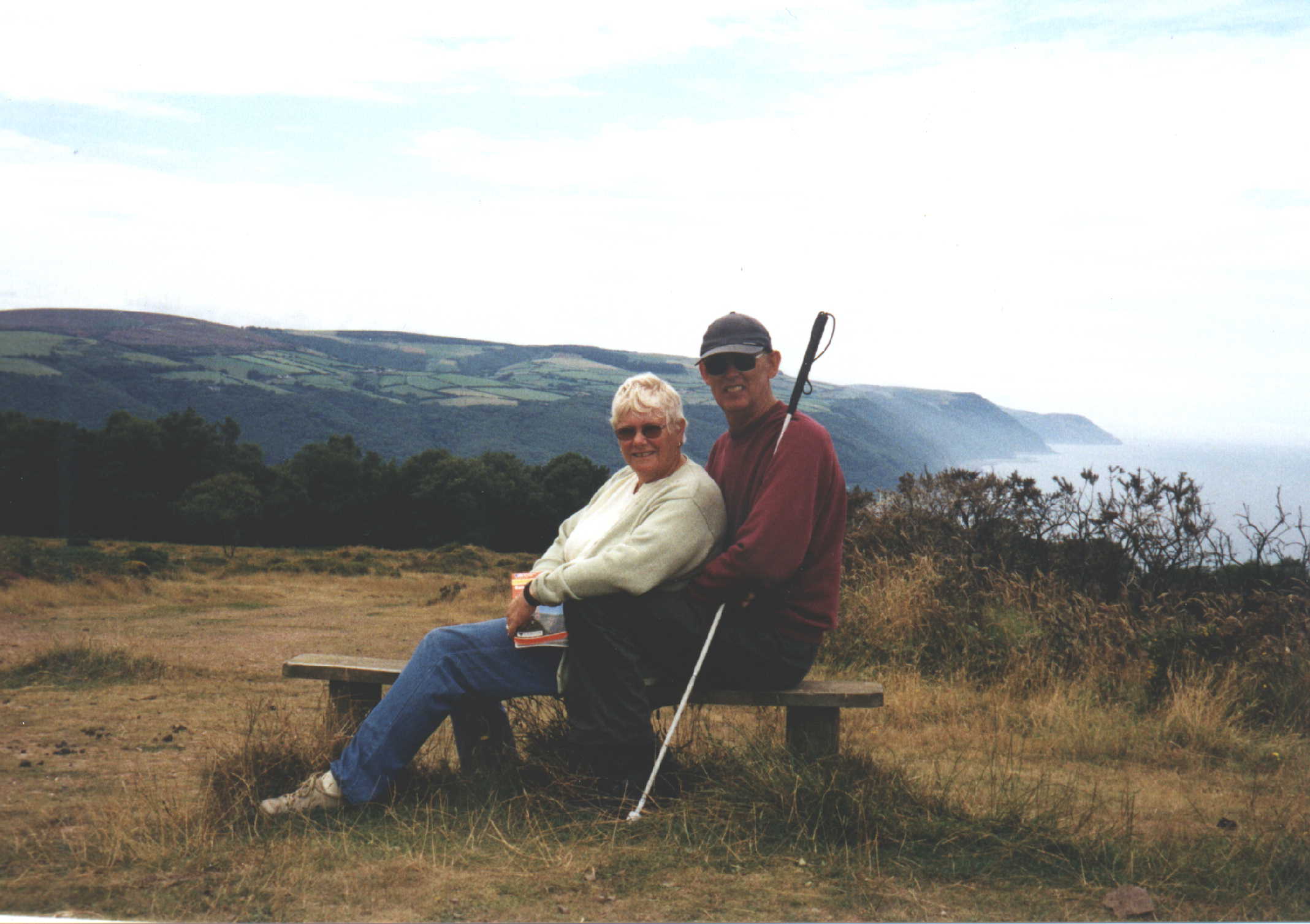
We love walking, whilst I take photos of

Alnwick Castle Garden

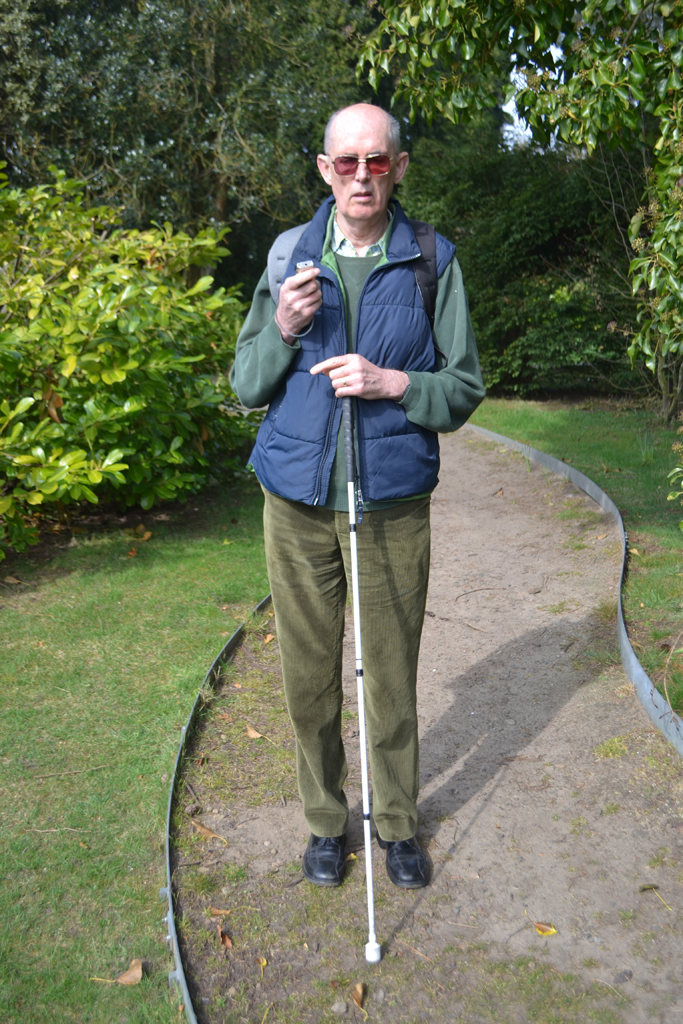
everything and anything and my husband Rob (who is blind) records birdsong and identifies them for me. He does get rather a lot of click-clicks on his digital recordings if I don’t realise he is trying to capture the birds!

But, for no good reason, we had never visited the Cragside Estate, just 11 miles away near Rothbury, even though it is one of our favourite towns for a river walk and pub meal at the Newcastle House Hotel.

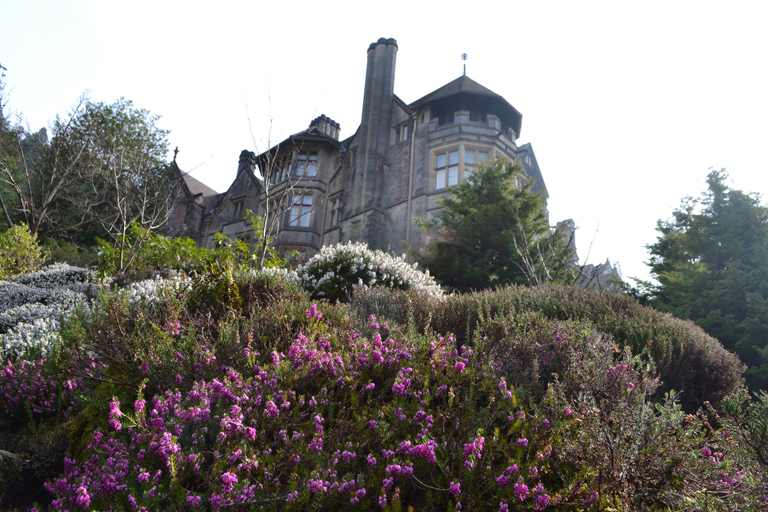
Cragside Rock Garden

So, when we first saw the adverts announcing a special “Free or discounted” day for Northumberland residents  to visit various interesting places in the county this weekend, we jumped at the chance.

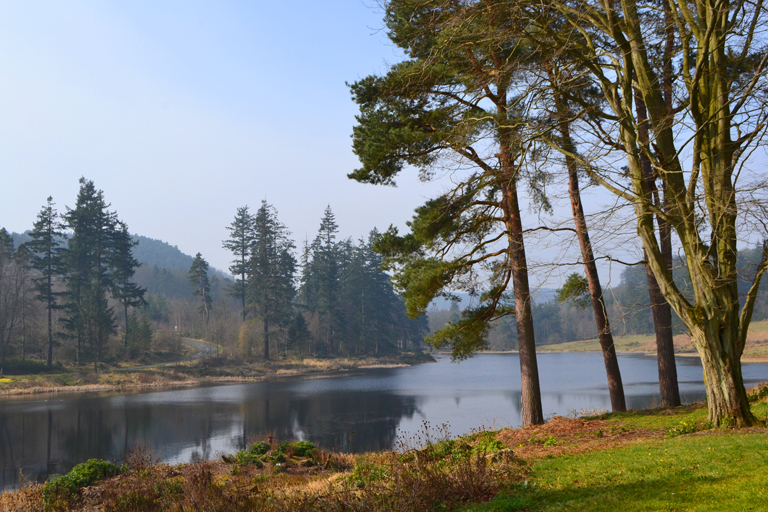
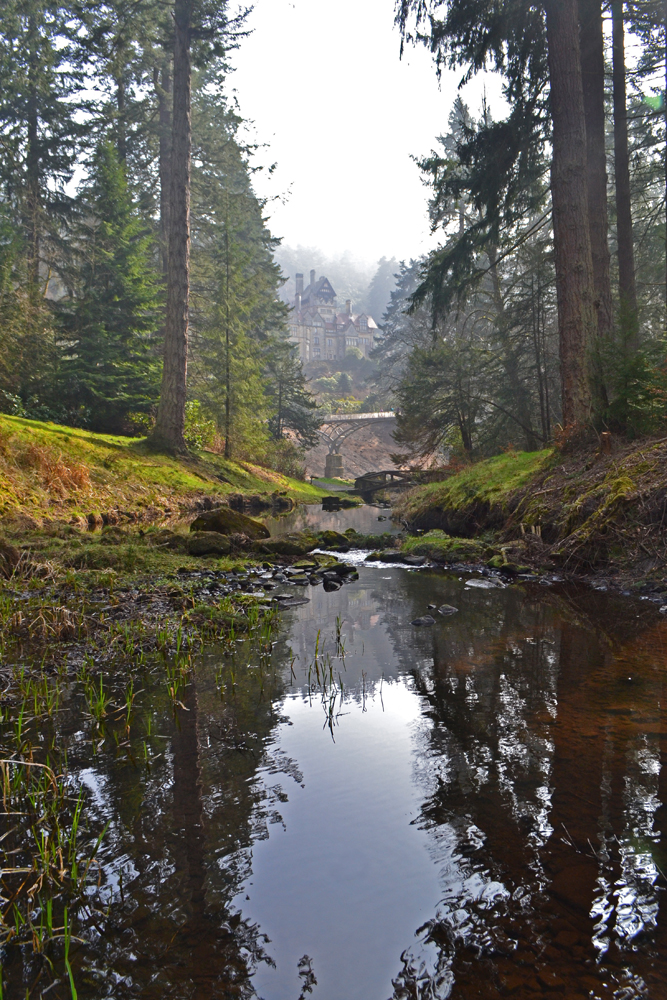
Reflections of Douglas Firs


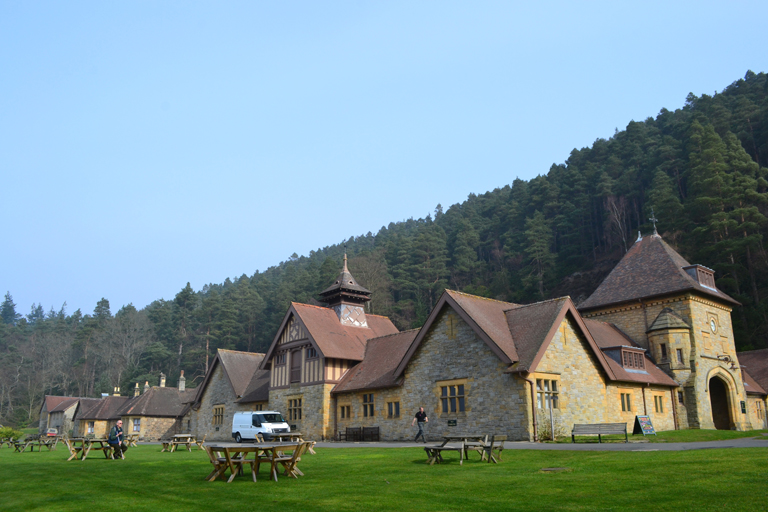
Visitor Centre, Tearooms & Shop, showing picnic tables

Northumberland County Council had organised this as a Northumberland Residents’ Festival  – “Our people, our places”. Tourism is a vital source of income for this county but it is often the ‘locals’ who don’t think of visiting the amazing places so close to home.


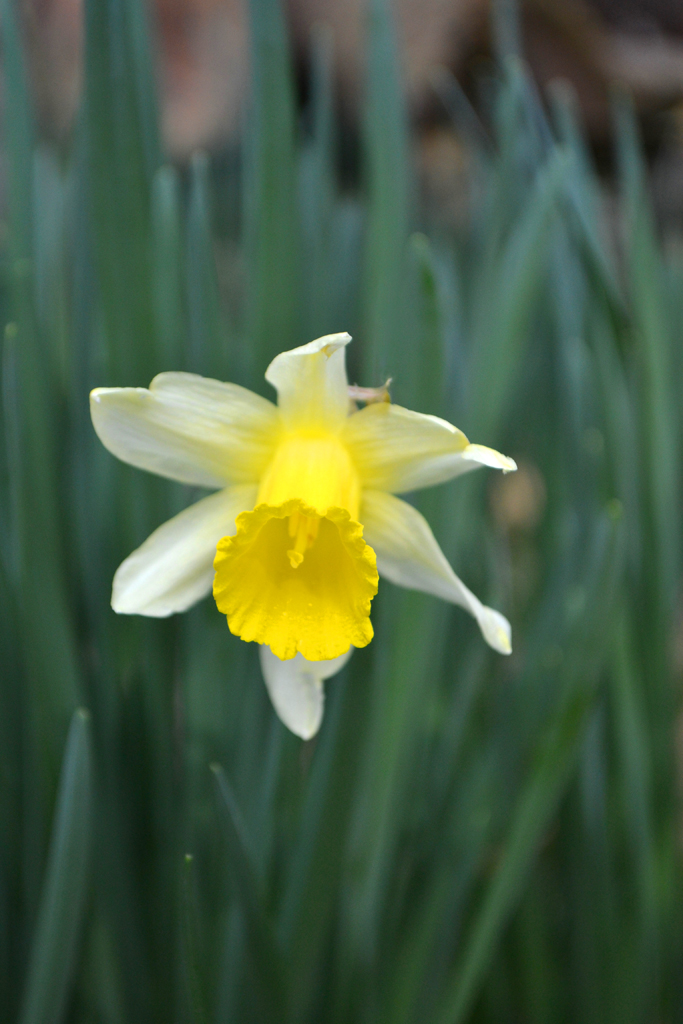
Cragside Daffodill

A long time ago I met a Dutchman, I went to visit him and insisted he take me to Keukenhof, the world famous flower  gardens, as he lived less than half an hour from them, I was stunned to realise he had never been there! After we were married I discovered that he had never been on a canal boat trip in Amsterdam either.  But every year we would spend our holidays in the UK, visiting places that, probably, the local people never went to. Since he died and I moved back to England (& remarried) I have taken all my holidays here, except for visiting family in Holland and the USA.


Northumberland has more castles (not all ruined) than any other county in England but the Border Reivers have finally been tamed and the natives are, mostly, very friendly!

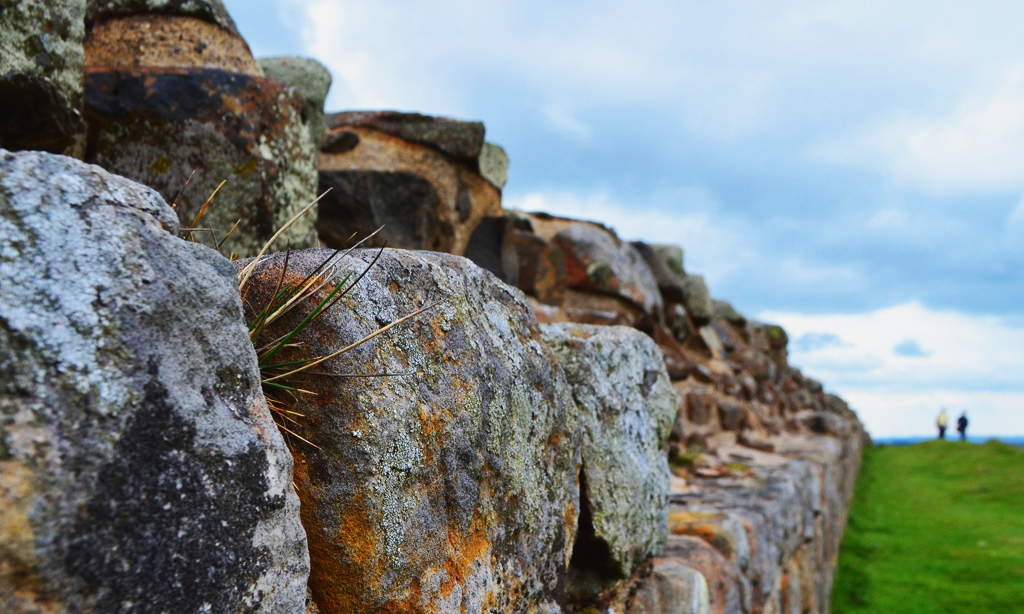
Hadrian's Wall long distance walking path

From prehistoric cup and ring stones, through stone-age hill forts and Roman remains, not least Hadrian’s Wall, to the Victorian era, history is everywhere you look, the scenery is second to none and we have some cracking attractions for visitors, and us residents to explore and enjoy.

Cragside – dating from 1863, was the home of William George Armstrong, a scientist,

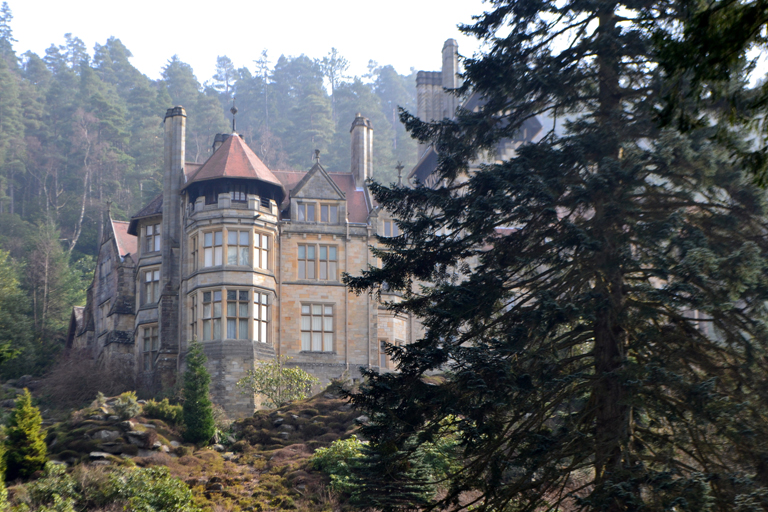
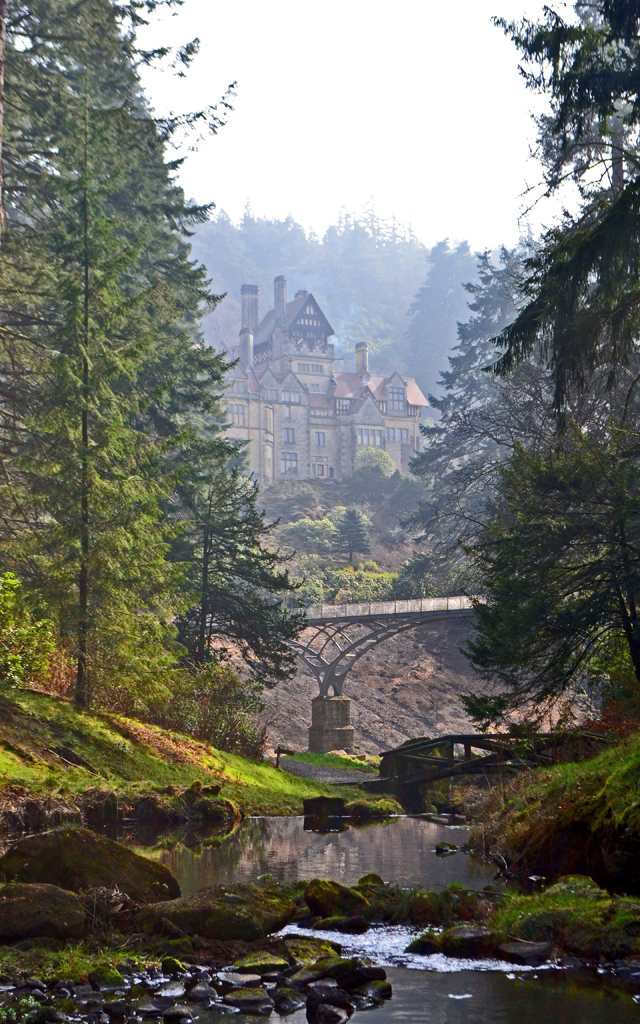
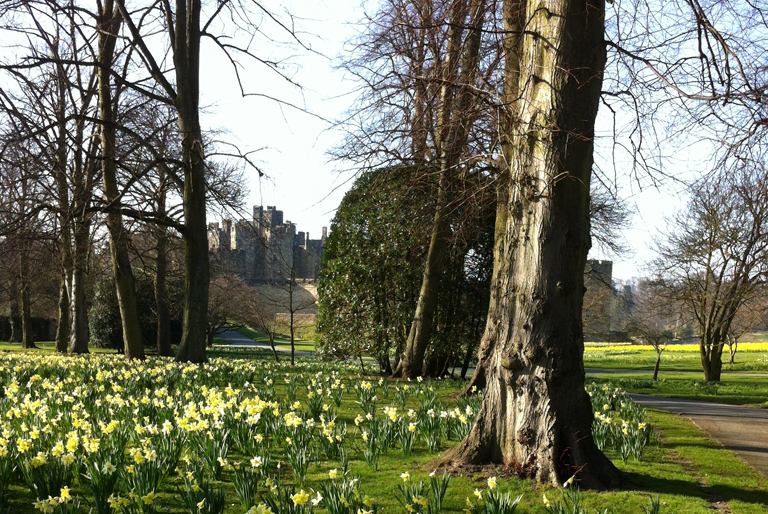
Imposing Cragside House

industrialist and engineer.

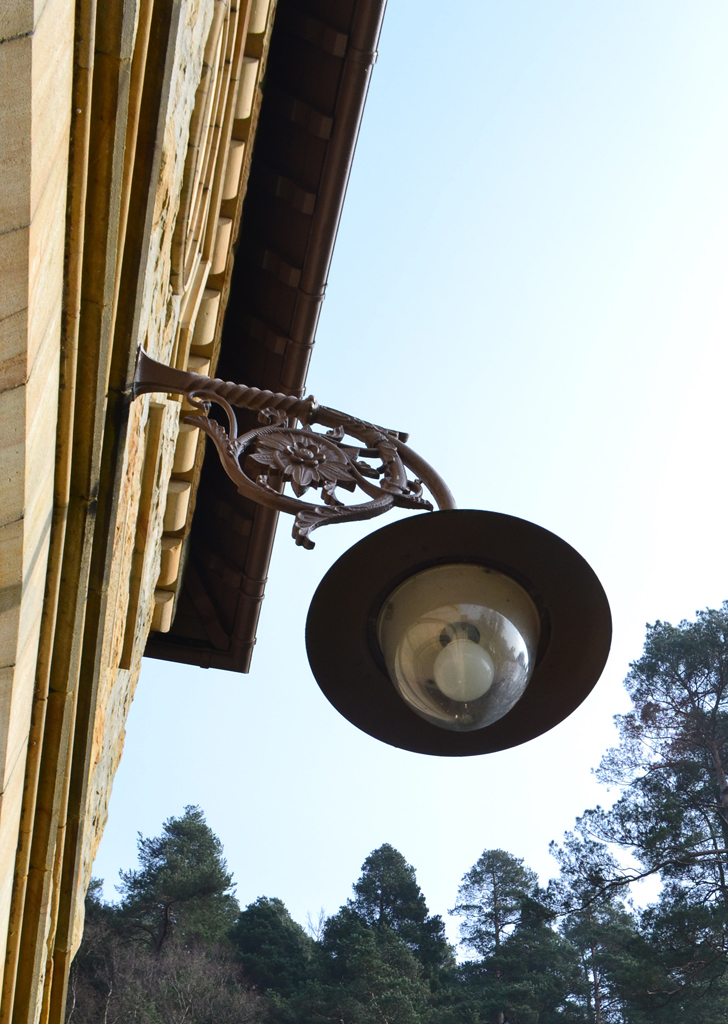
One of the beautiful lamps


His home was very advanced and water power was first used here to provide electricity in 1878, interestingly enough, just 2 days ago we were at local

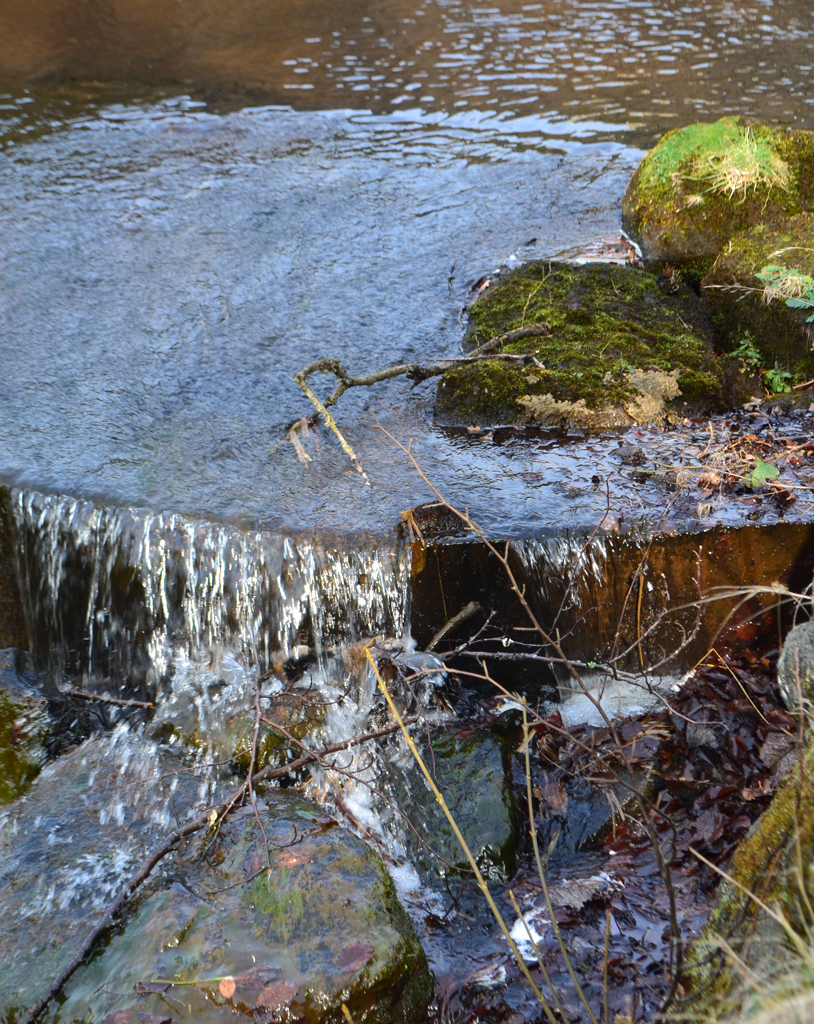
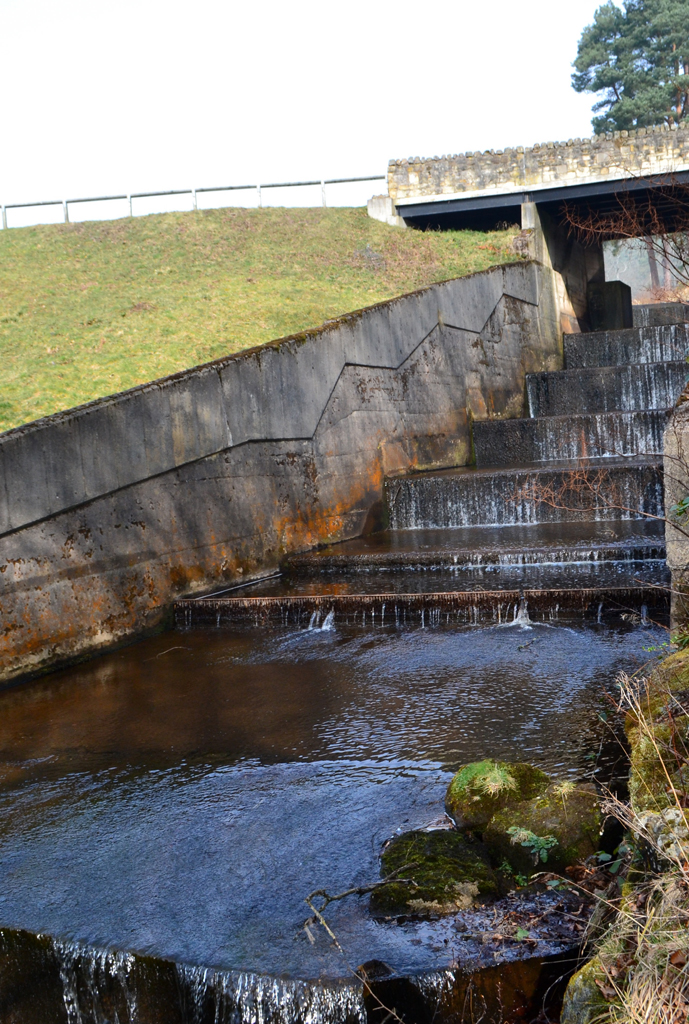
Detail of the water flowing down the 'steps'

Alnwick Castle where the current Duke has restored a Victorian hydro-electric power plant built by one of his ancestors. In these days of finding eco-friendly ways to provide power surely a much better idea than ugly wind-turbines?!

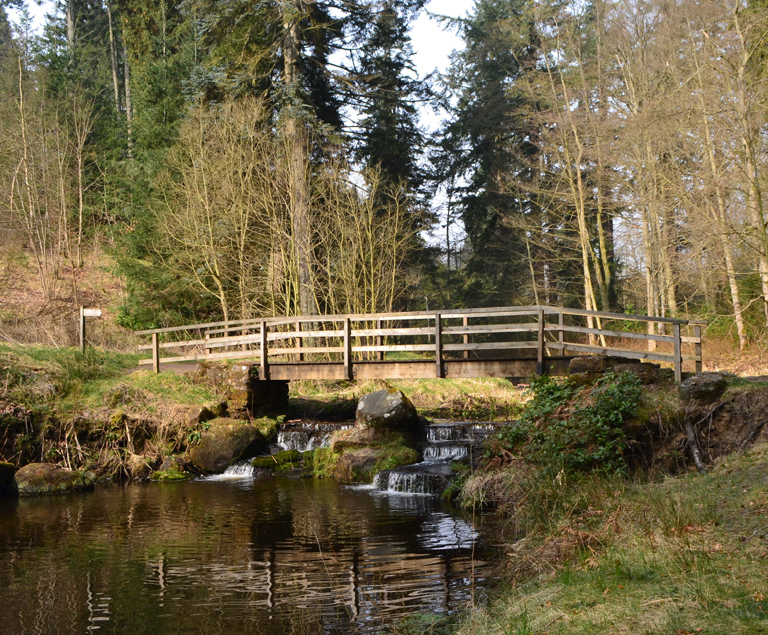
Bridge on the path through the trees of the Armstrong Trail


We spent nearly 5 hours happily exploring the gardens -

Majestic Douglas Firs framing the bridges & house

from the river walks, through the woods with lofty Douglas Firs, over an intricate variety of bridges, spotting spring flowers and tree buds everywhere, up to the Formal Garden and its fantastic plants and views.

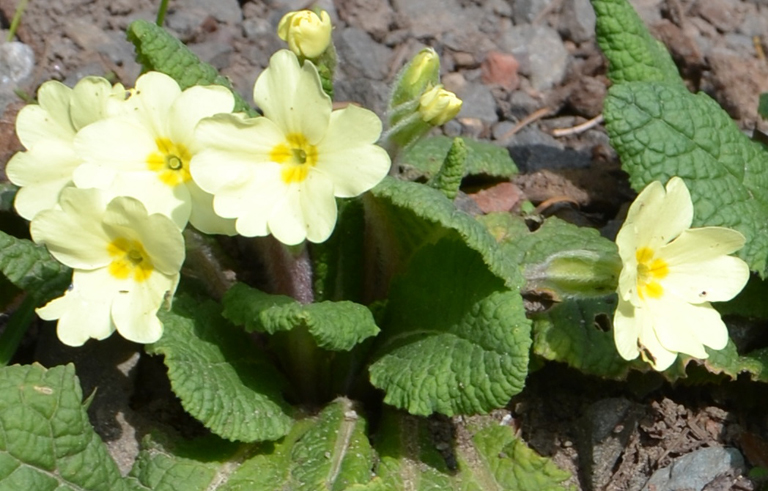
Primroses


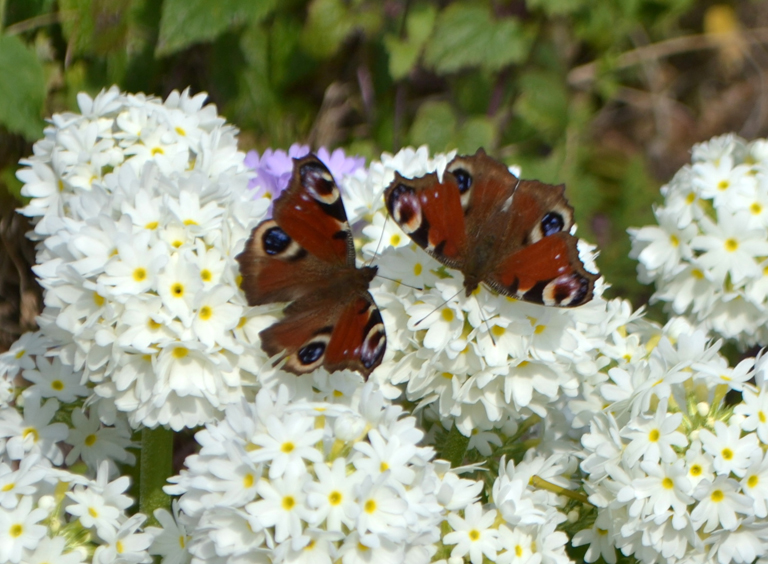
Peacock butterflies in the Formal Garden


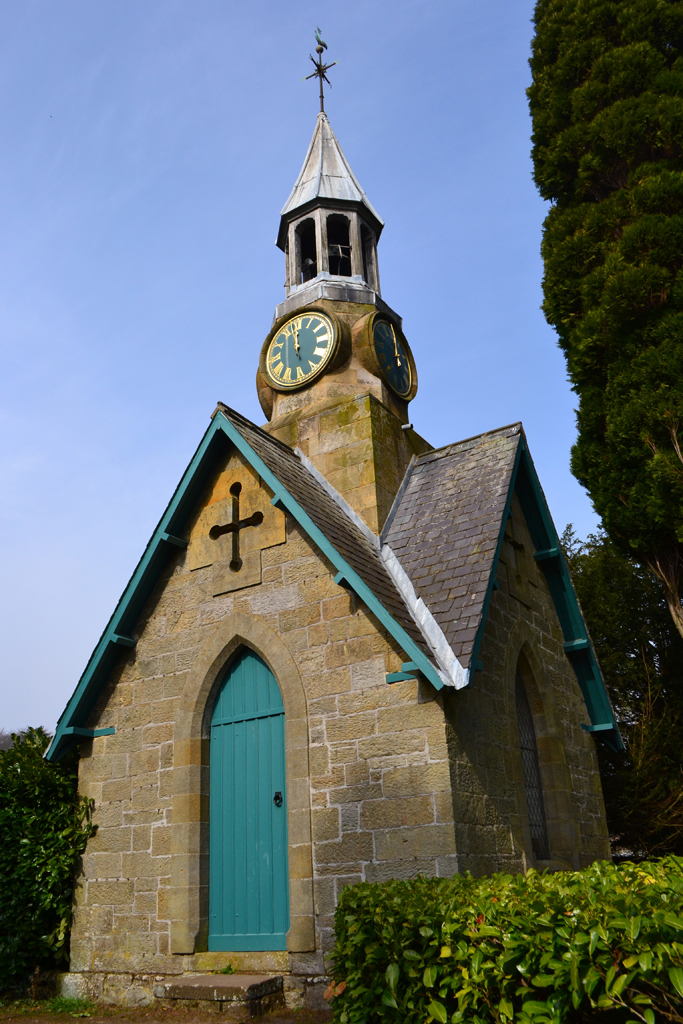
The Clock Tower


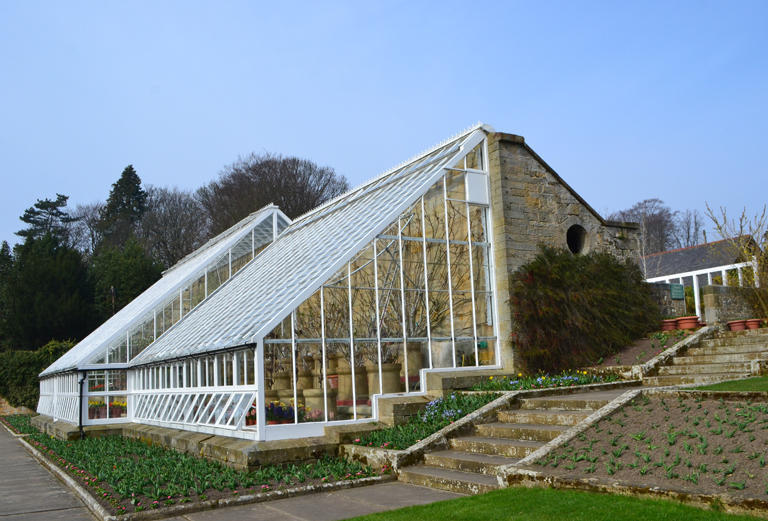
The glasshouse


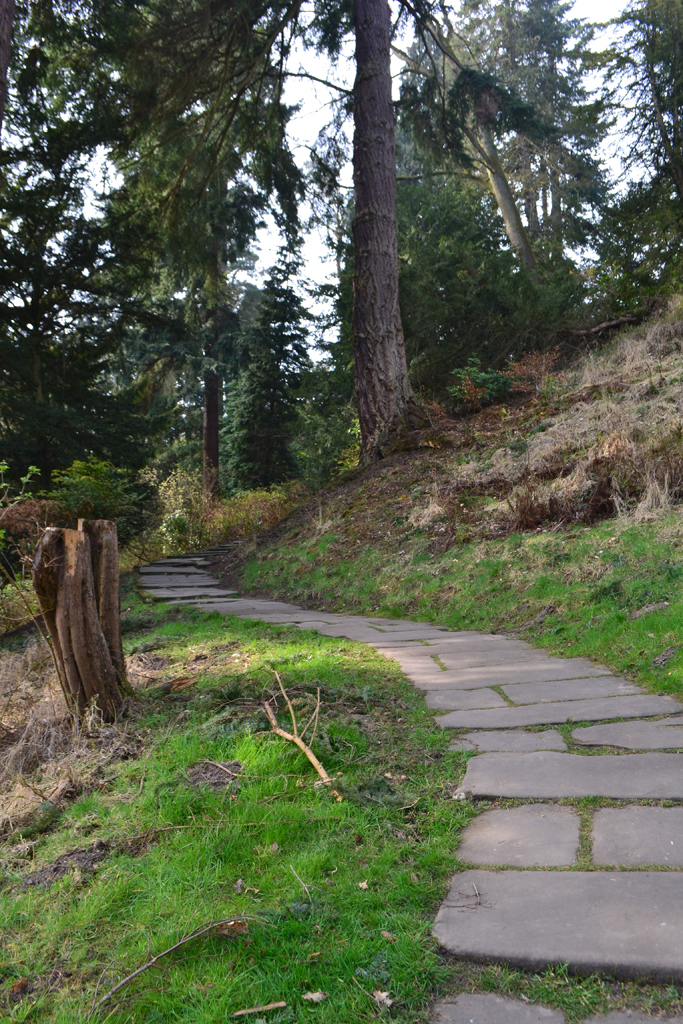
The winding paths lead you on .....

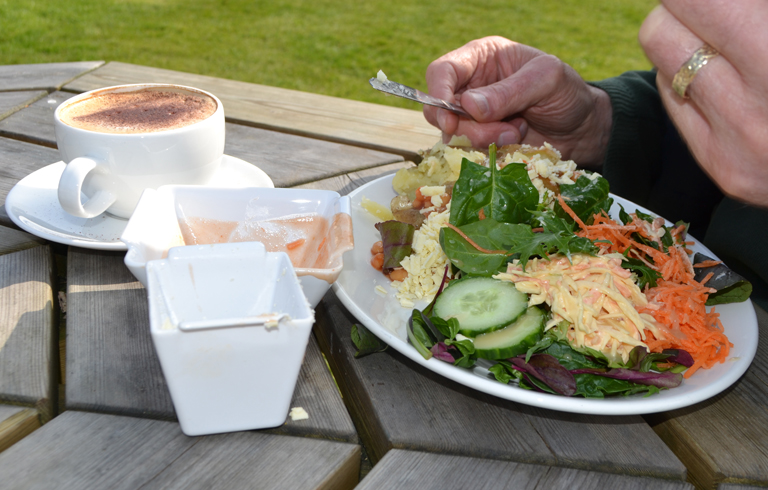
We actually ran out of time to tour the beautiful house,but did have a late lunch at the tea rooms, sitting outside at one of the many picnic tables, with a great view over Tumbleton Lake.

Lunch by the lake


This lake is fed from the River Coquet and the stepped waterfall down from the lake past the Pump Room generates the power.


Water falling down the steps from Tumbleton Lake to the Pump House

Tumbleton Lake


As I mentioned, my husband is blind and enjoys ‘bird listening, here is his list of what he heard at Cragside:

1. Green woodpecker. Only one of them.

2. Greater spotted woodpecker. Two of them drumming at the same time. Then one or two individual ones.

3. Coots, by the lake.

Rob, bird-listening, with his digital recorder, in the Formal Garden

4. Mallards.

5. Buzzards. Two of them in the sky.

6. Blackbirds.

7. Robins.

8. Greenfinches.

9. Chaffinches.

10. Great tits.

11. Coal tits.

12. Nuthatches.

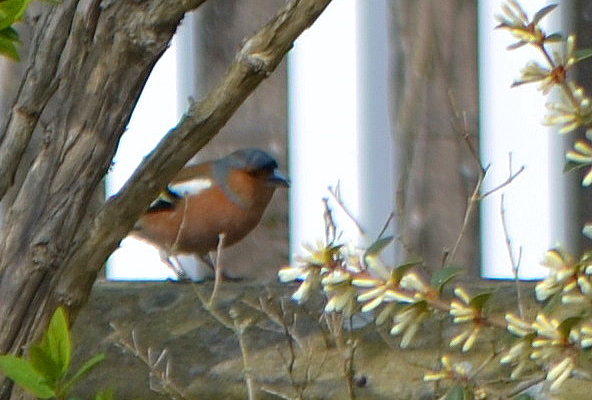
Chaffinch in the Formal Garden

13 Gold crests.

14. Wood pigeon.

15. Collared doves.

16. Jackdaws.

17. Carrion crow. Just one of them.

In 2009, broadcaster Clare Balding came with us, and the Alnwick Health Walk group, to record a programme in her “Ramblings” series for BBC Radio 4, to find out more about this blind man who ‘Bird Listens’! Here is a link to that programme, recorded in Hulne Park, Alnwick, another great place (free) for walking.

We shall get to Cragside House itself one of the days, but can heartily recommend a visit or two to anyone. Rob was delighted to find they even have a braille guide to the gardens! Here is a link to their website

Posted in About us, Home - where all journeys start and end | Leave a comment

Ten years after we said “I do”.

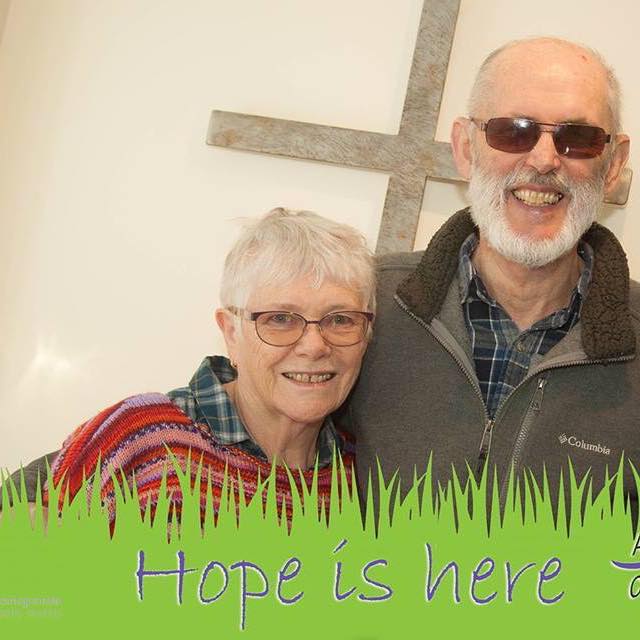
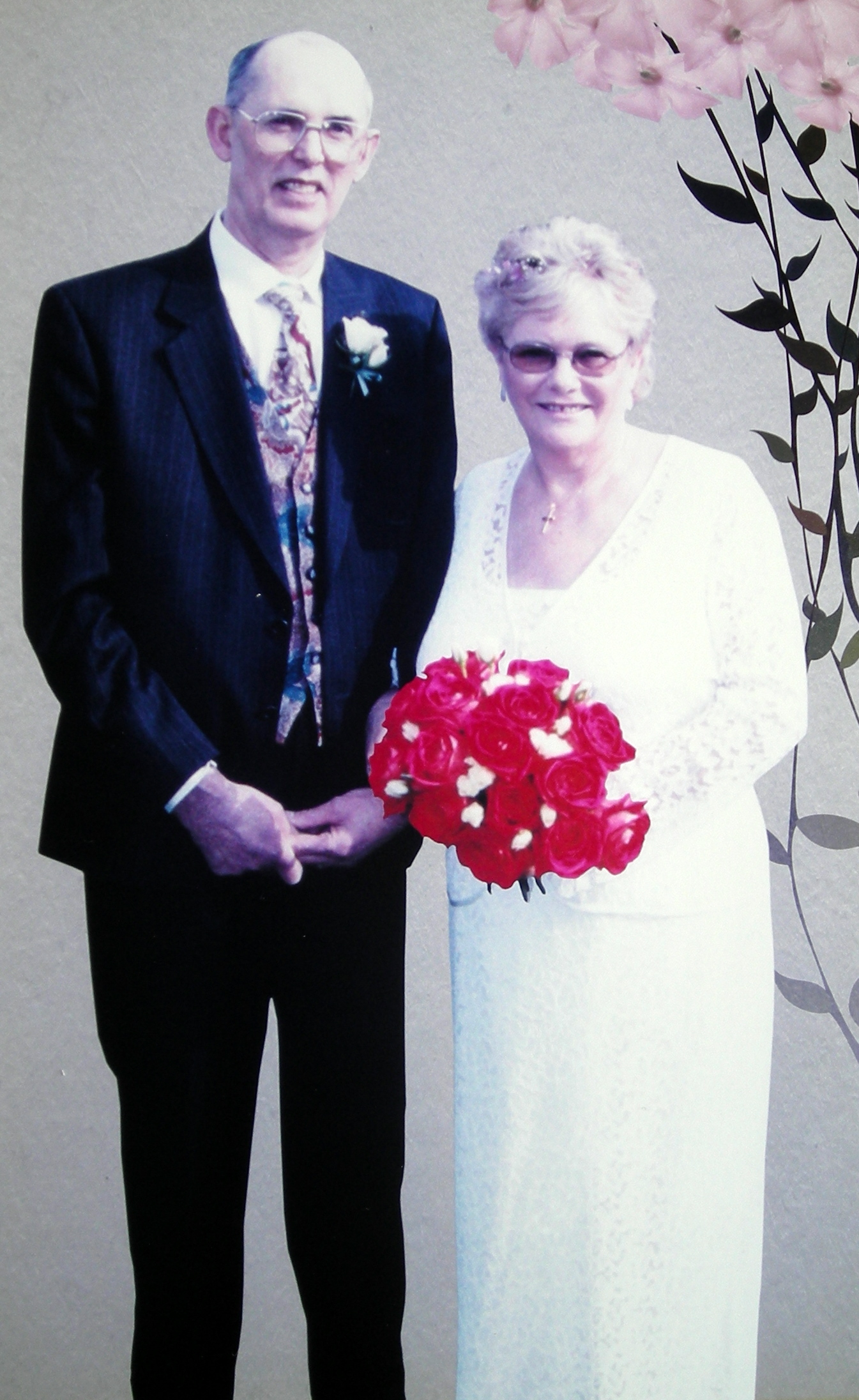
Rob and I celebrated our 10th wedding anniversary this March;

Rob & Catherine 16th March 2002

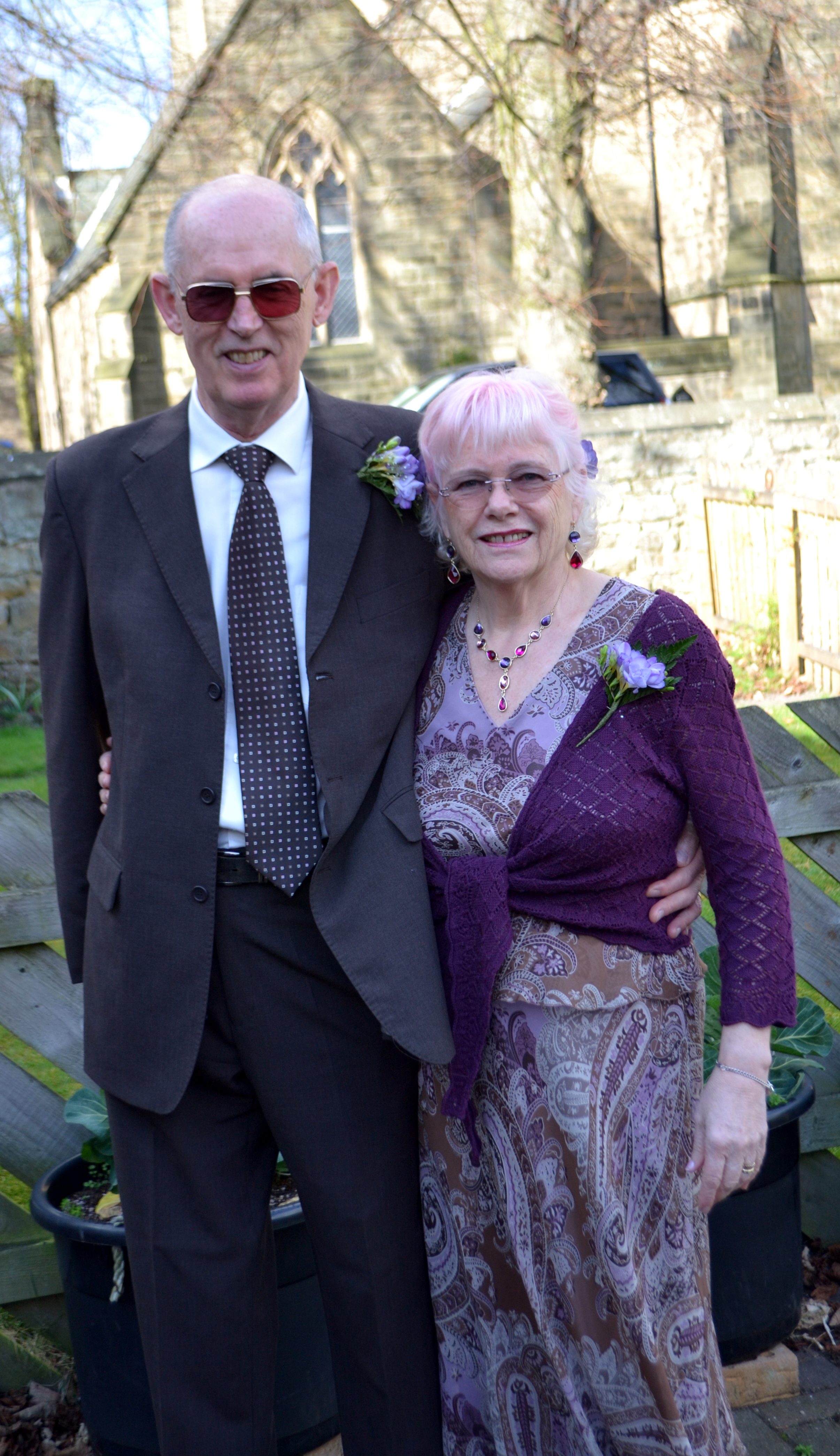
Our Renewal of Vows was very special, surrounded by family & friends, we renewed our commitment to God & each other – marriage is a great gift to celebrate!


We marked this by renewing our marriage vows to each other during the service on Sunday 18th March 2012, in our church, Alnwick Baptist.


This is one of the prayers prayed over us during the ceremony:

A Celtic Blessing

God be with you in every pass,
Jesus be with you on every hill
Spirit be with you in every stream, headland, ridge and lawn;
Each sea and land, each moor and meadow
Each lying down, each rising up
in the trough of the waves, on the crest of the billows,
Each step of the journey you go,
Go with God

We have had some very difficult, stressful and uncertain times, including Rob losing both his parents, illness for both of us, and his two major heart attacks.

He has also lost the last tiny bit of sight he still had. We have moved twice in this time, first from Bristol to Minehead (85 miles) then the 400 miles to the far northeast of England, to Alnwick, the county town of Northumberland. This area is lovely, very peaceful, with rolling hills, 5 times as many sheep as people and is home to the Northumbria Community, of which we are now both ‘Companions’. The marriage preparation course we followed with our minister, before our marriage, has stood us in great stead through these years, here is how we went about it.

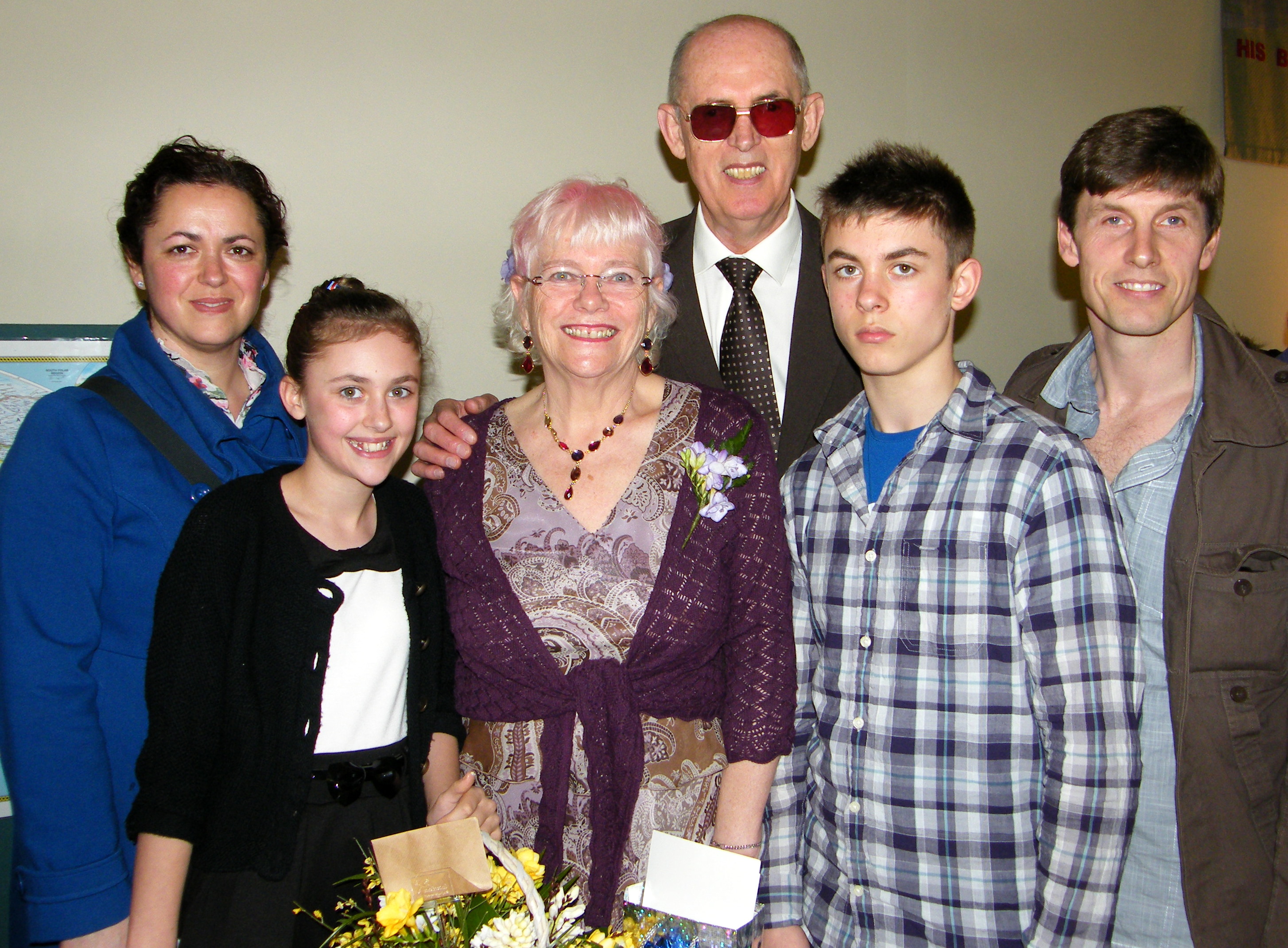
Rob & I after our Renewal of Vows, with his daughter & her family- Hilary, Keith, James & Katie.

Twelve expectations of marriage

When we were preparing for our wedding, we were given this list by our minister to consider. It highlights some areas which can cause problems in marriages. We were then asked to go away, as individuals, and consider each point very carefully. After this, to arrange the items in order of personal importance and write a few sentences explaining our reasons and how we intended to apply this in our new relationship. Then we were asked to return with our two lists and discuss them together with our minister; especially taking time to agree how to deal with any conflicts, now and in the future.

Marriage Preparation Discussion Points

Rearrange this list into your own order of priority. Then write a few sentences on each topic explaining its personal importance to you and what you intend to do about it in your planned marriage.

  1. Faithfulness
  2. Mutual respect & tolerance
  3. Adequate income
  4. Sharing religious beliefs
  5. Sharing tastes & common interests
  6. Having children *
  7. Happy sexual relationships
  8. Sharing political views
  9. Sharing household chores
  10. Good housing
  11. Shared social background
  12. Relating to in-laws

*Note that the having children item can also relate to any children, or young adults which you or your partner may be bringing into the marriage.

If you cannot attend a marriage preparation course, it is worthwhile meeting with a mature and respected married couple to talk over your priorities and personal expectations. You will both be married for a very long time so make every effort to build your relationship on sound foundations.

We were strongly advised by our minister and other wise people in our church to pray before asking an older couple to be our marriage mentors.

We did this and they were God’s gift to our marriage. Due to Rob’s blindness and the fact my 2 (young adult) sons were squashed in our flat as well, life was a series of misunderstandings and sources of friction. But we knew that we only had to phone and Peter and Jenny would be there for us both. This is the modern alternative to having godly parents and grand-parents around all the time, to ensure your marriage reflected Kingdom values. They taught us that neither one of us should be the one to “get their own way” but that we should seek God’s way; He was and is the most important in this marriage.


Posted in About us, Living spirituality | Leave a comment

A first-time University student at 64!

A few months ago I decided to get an upgrade from my little Nikon Coolpix L6 compact Digital camera. I have always enjoyed writing, which is why I started this blog. But I really wanted to try and get better photos, especially for here, but also as a new way of expressing myself.

I took advice from my professional photographer daughter-in-law Kim; she chose a suitable DSLR Nikon 3100 for me and brought it over with her when she and Kjell visited from Oregon in April. On her and others advice I looked for a good course to help me improve my shots.

So I have recently completed a short 10 week course on Digital Photography on the Open University. This was all online, we students  all got together on forums, posted our images on the OU’s ‘Open Studio’, where we learnt to give and accept comments (and criticism) and suggestions on how an image can be improved using Photoshop Elements, PSE8.

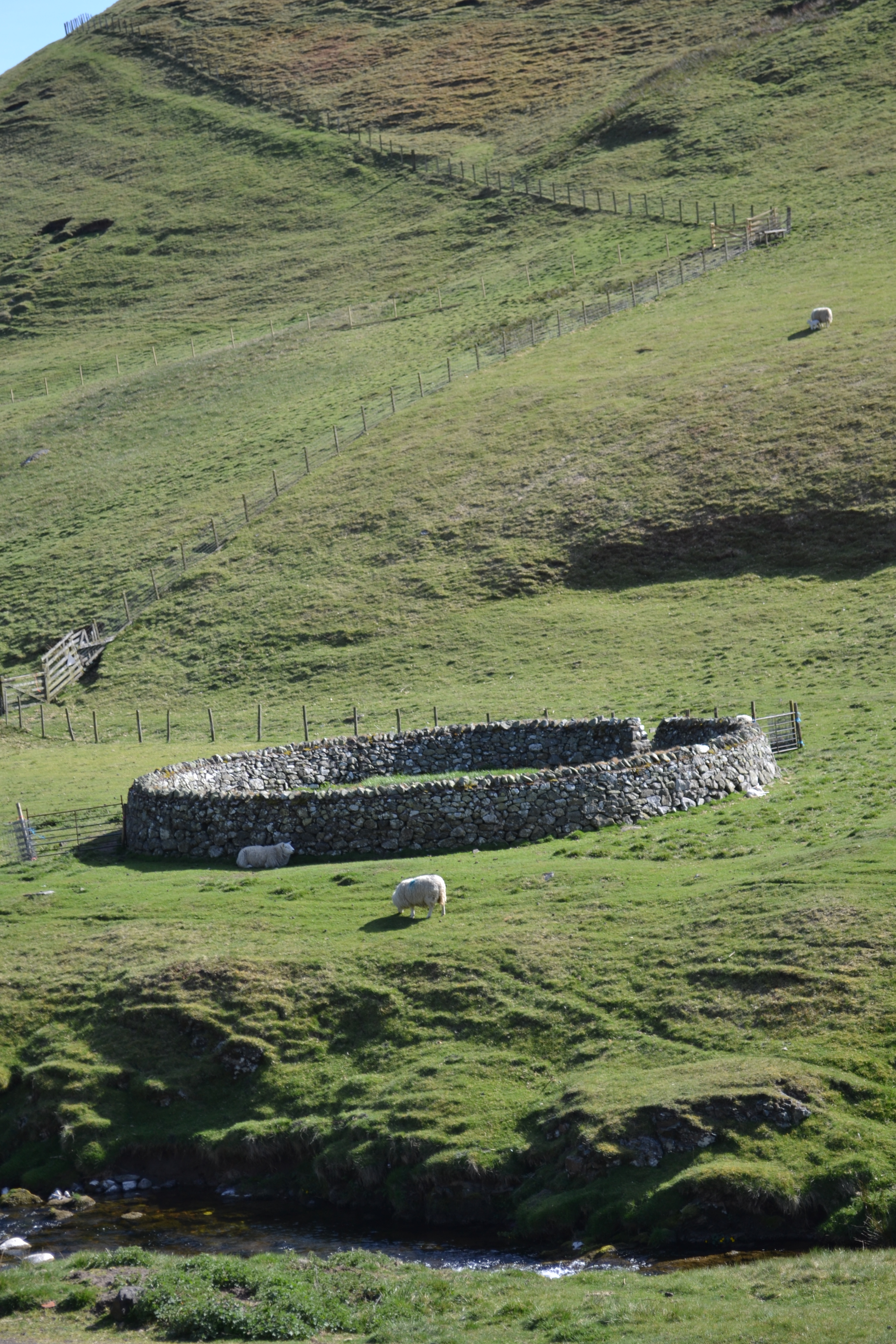
"O" Upper Coquet Valley, Northumberland. Sheep stell, for protection from the worst winter weather.

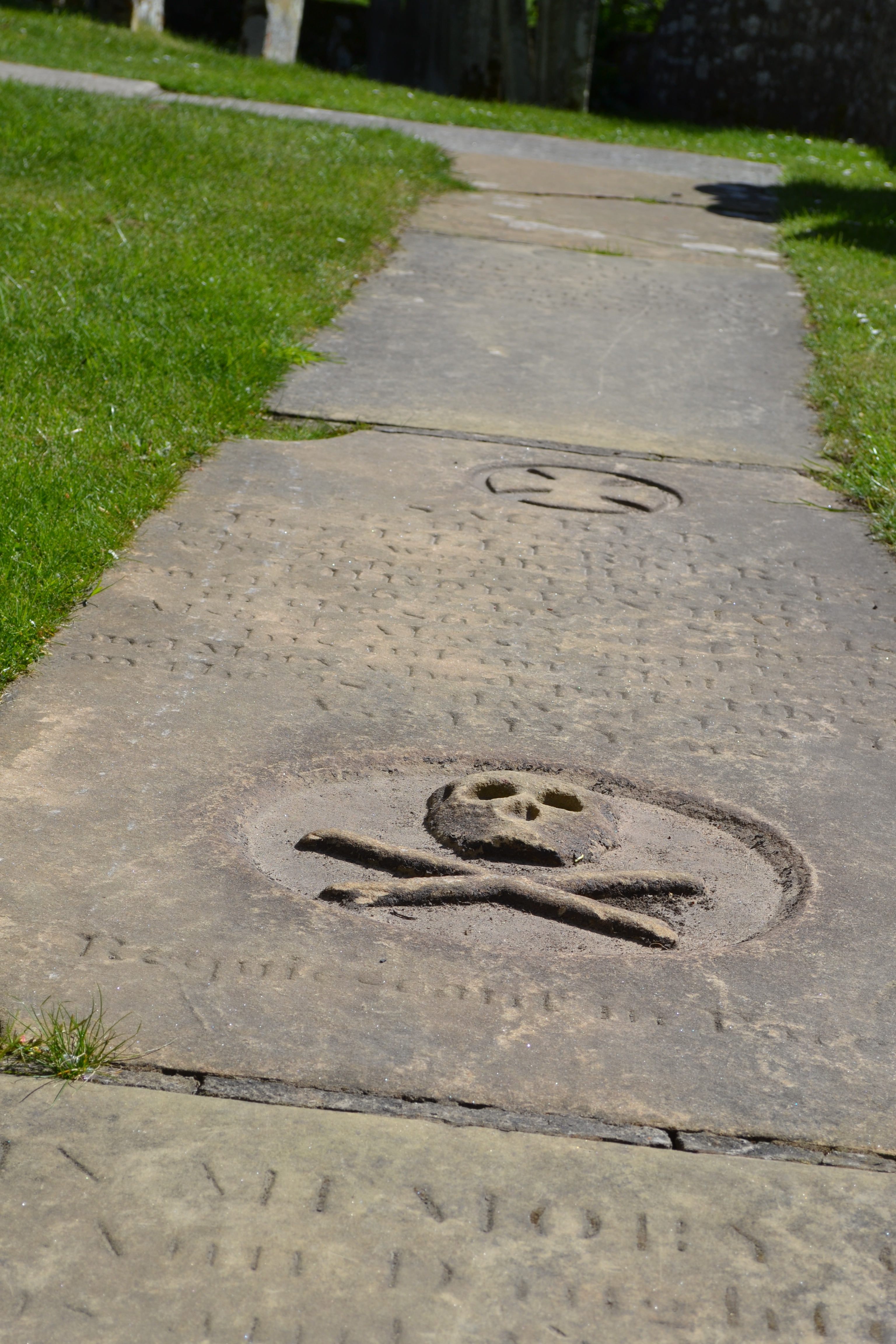
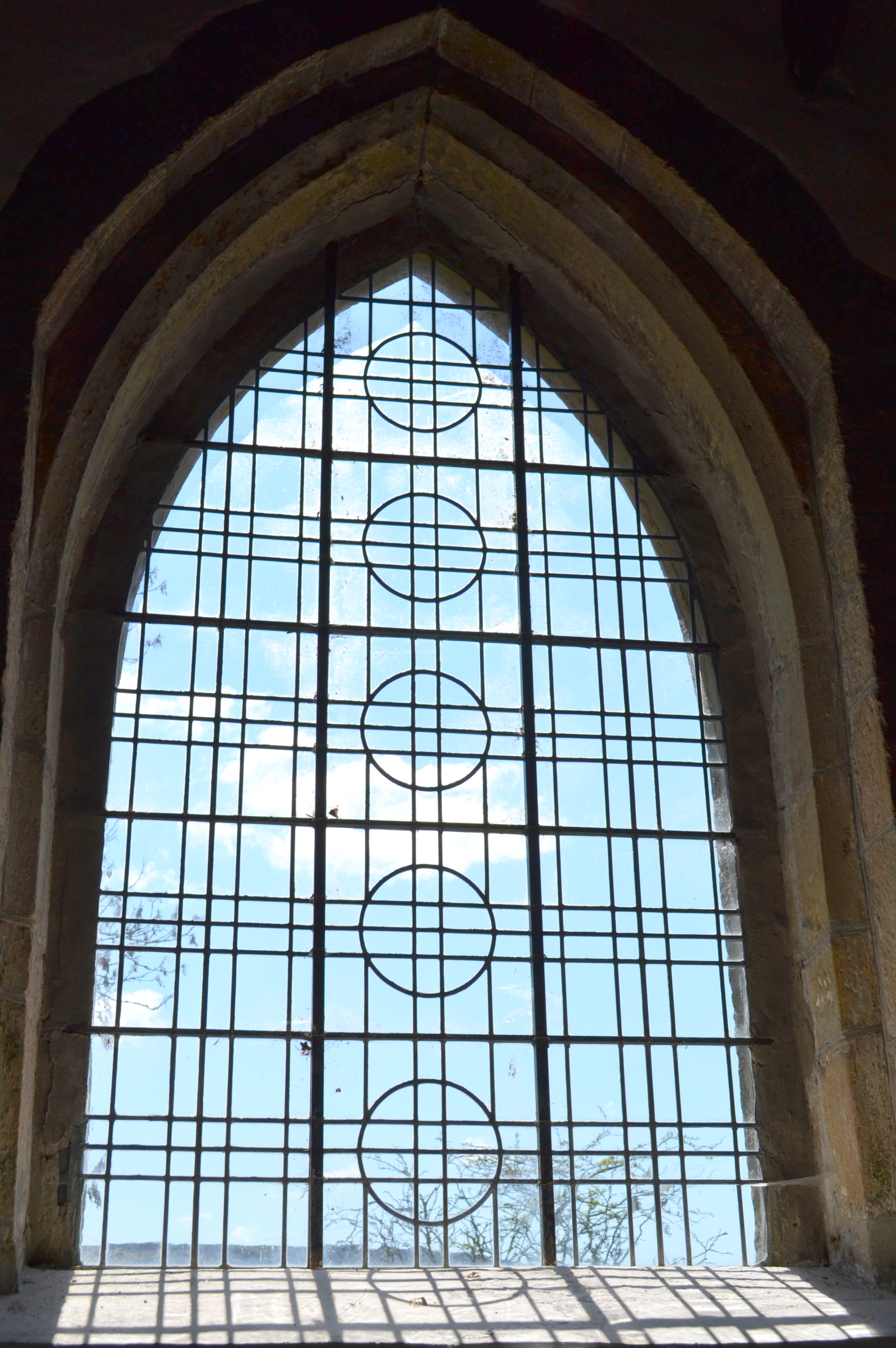
a copy of which was sent to us by OU. Each week’s study material, including many short videos on using PSE, was all online, and we were given specific assignments each week. We all enjoyed the first one which was to take shots of images that showed letters of the alphabet, here are my three – OXO! If you click on photos they will open larger.
"X" Upper Coquet Valley St. John the Baptist Churchyard, Edlingham, Northumberland.


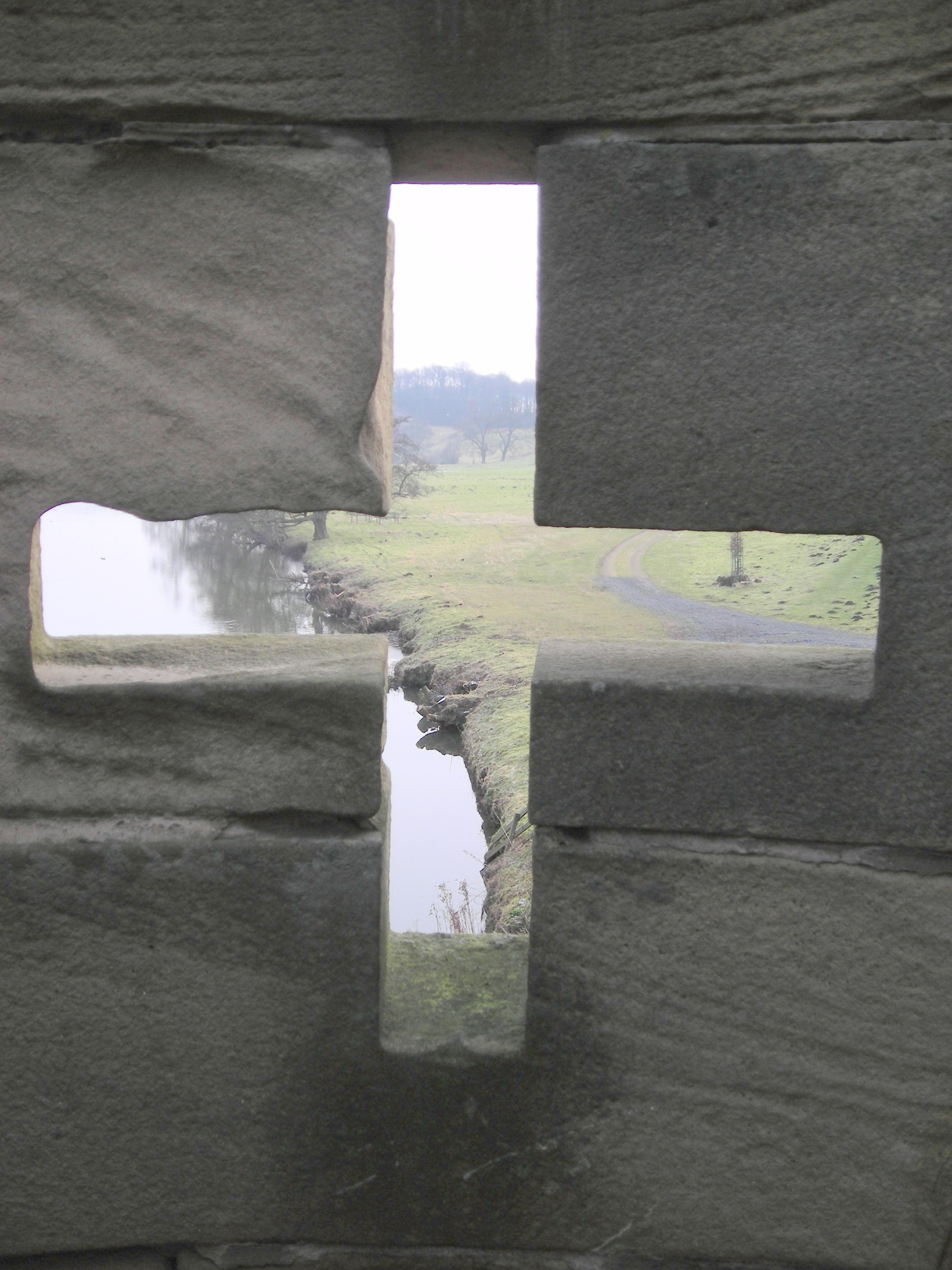
"O" Window in St. John the Baptist Church, Edlingham, Northumberland.


We were not allowed to use actual written letters from signs but to learn to use our eyes to notice shapes and possibilities. It was very effective as I still constantly see the alphabet all around me – I think I may even do a blog when I have the whole alphabet in images!

I (and some others) really struggled with weeks 3 and 4 as they were all using maths, as someone who has never been any good with numbers all her life I just did not ‘get’ it. I got so stressed that I nearly gave up on the course. One of the  OU course moderators, who I knew personally, phoned me and we had a long talk, in the end he said to just forget the maths, leave my camera on Auto or Modes (portrait, night shots, close-ups etc) finish the course and then look at learning how to use my camera on Manual later, when the pressure is off! So that is what I have done.

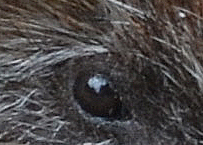
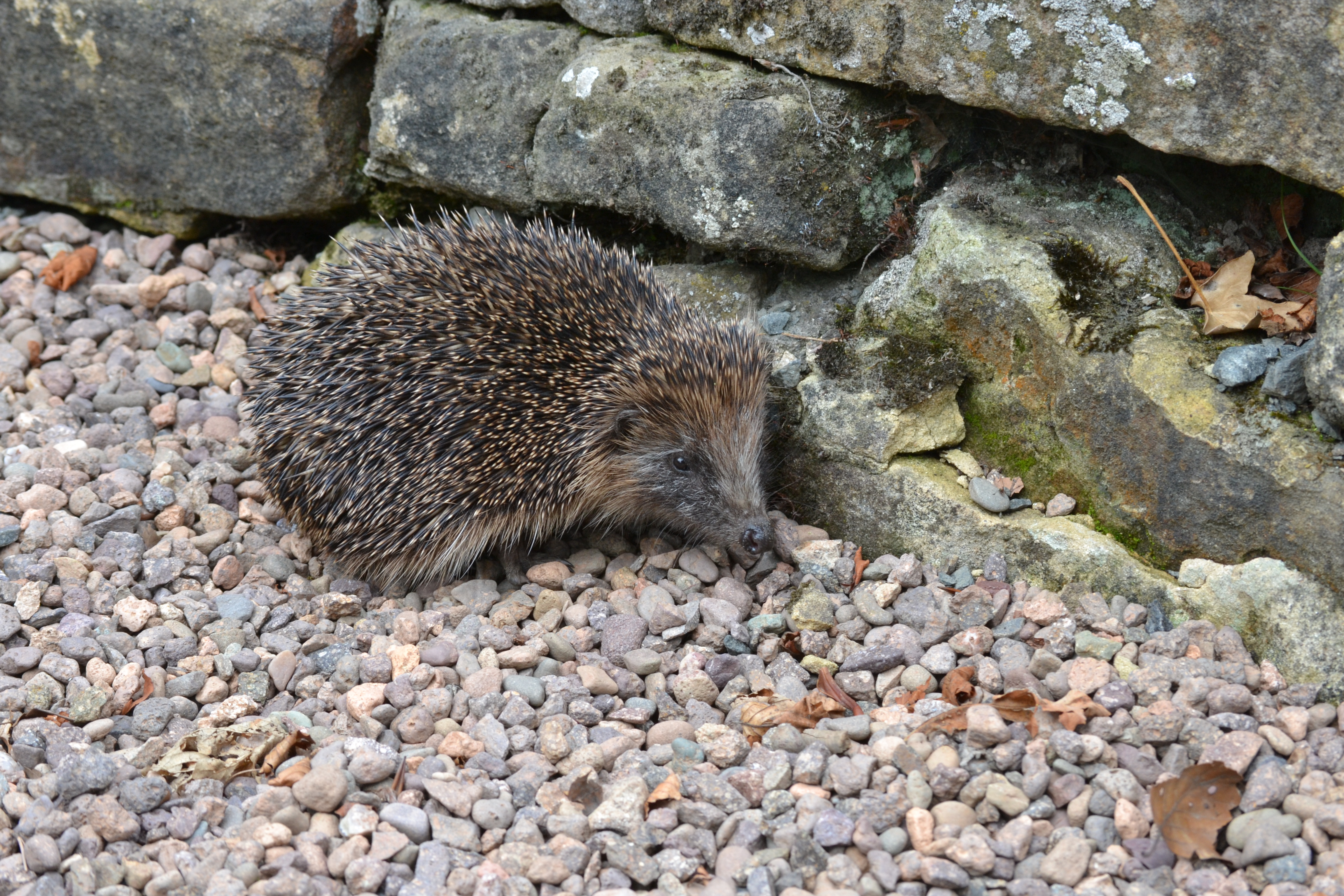
Nearly a 1000 took the course and almost 200 of us joined our own Facebook page, we have kept it going since we finished the course a couple of weeks ago as we have all become good friends and continue to encourage each other in our photography, setting a different challenge every week. Last week we had to get a close-up of an eye – any eye from a living creature, human or otherwise, I got a close-up of a hedgehog, he was really sweet! 

Hedgehog eye, taken in Hulne Park, Alnwick, Northumberland

Hedgehog, taken in Hulne Park, Alnwick, Northumberland


We are now awaiting our results of the panel of 10 photos we had to submit and our answers to any 3 of 6 questions we had to choose from, these answers were to be of around 200 words each. The results won’t be out till September as each moderator has to mark 70 students work – that is 700 images and 210 answers to evaluate each! It is only 10 credits but for those taking other courses it all adds up. At the end of this piece I have written about the next course I hope to take – ‘Roman Britain’, from the Department of Archaeology of Oxford University.

Here are my 10 shots in the order I submitted them, plus the questions I selected and the answers I gave. UPDATE: I passed with 73%, which I am pleased with, especially with my numbers problems!

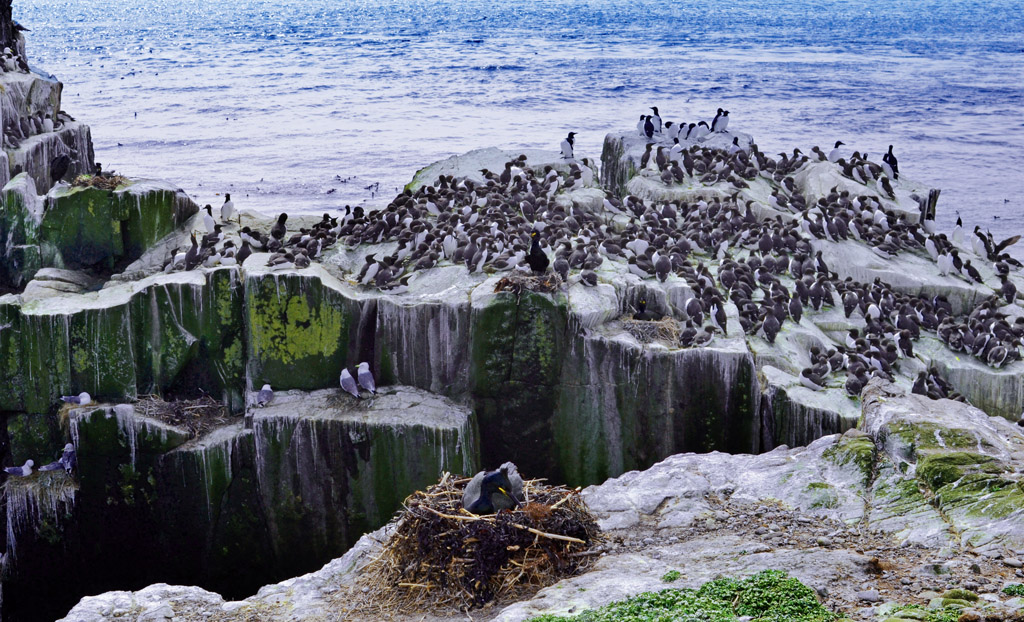
01 Inner Farne Island, Northumberland coast

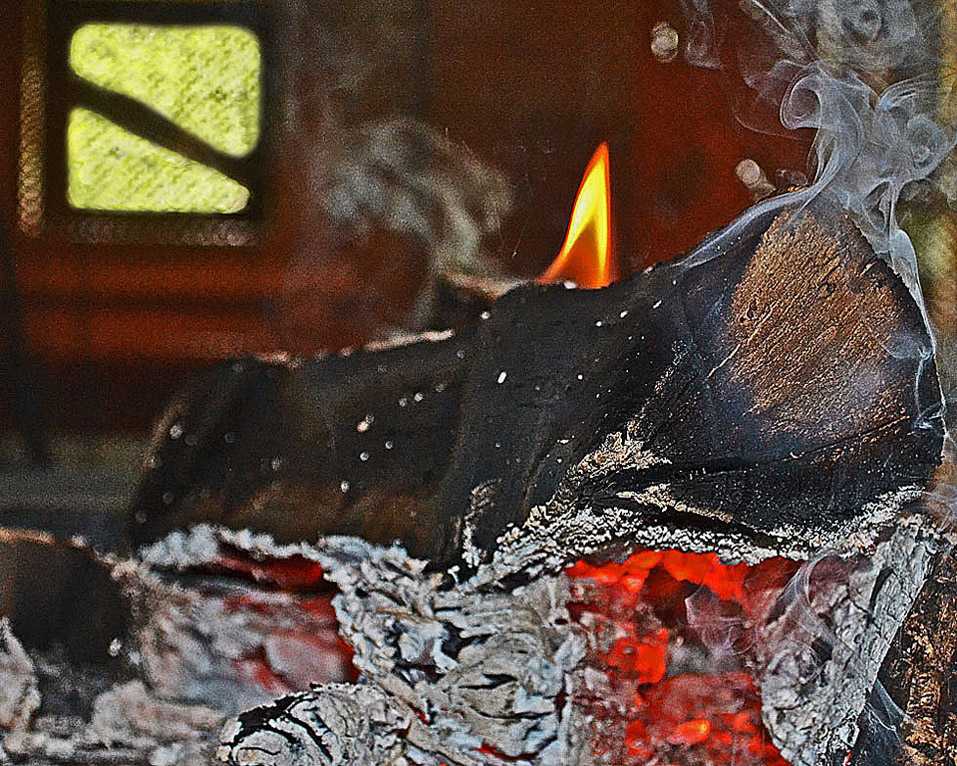
02 Fire in Alnwick Gardens Treehouse, Northumberland


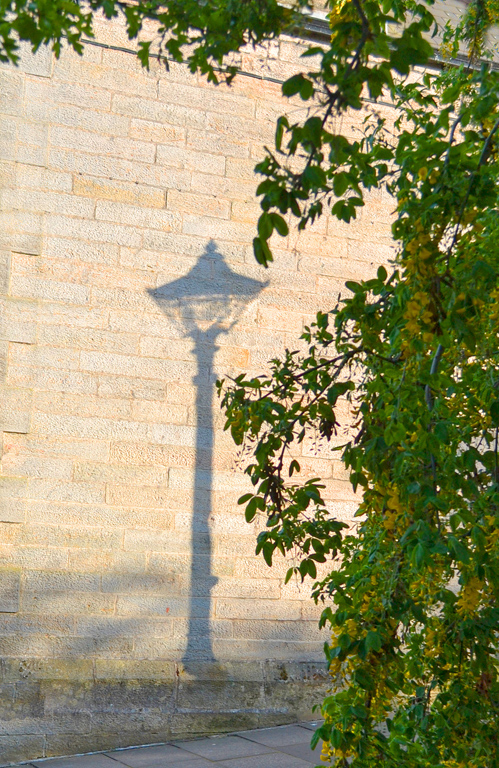
03 Sunset Shadow, Rothbury, Northumberland


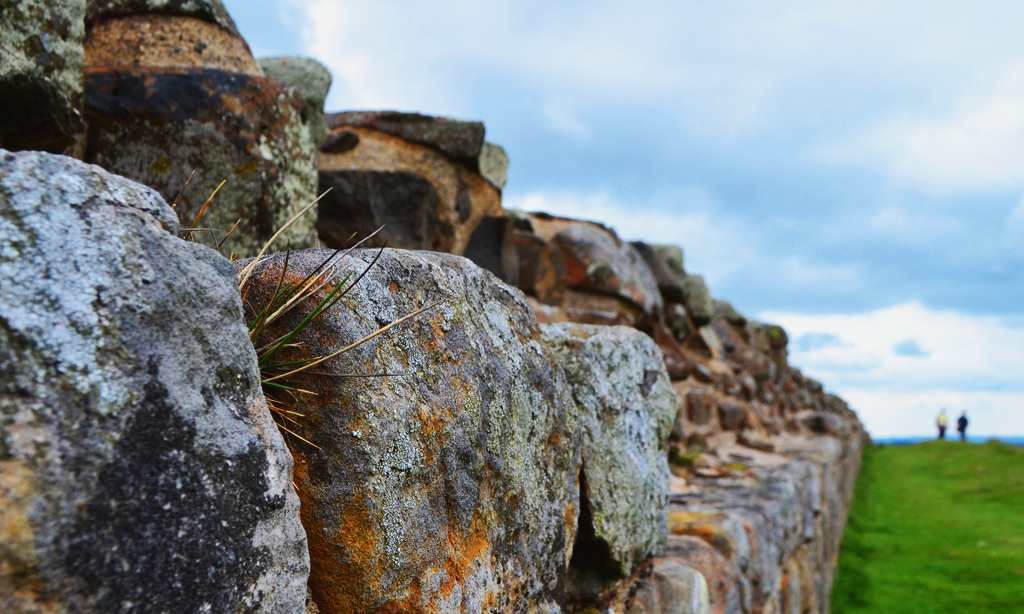
04 Hadrian's Wall, Northumberland


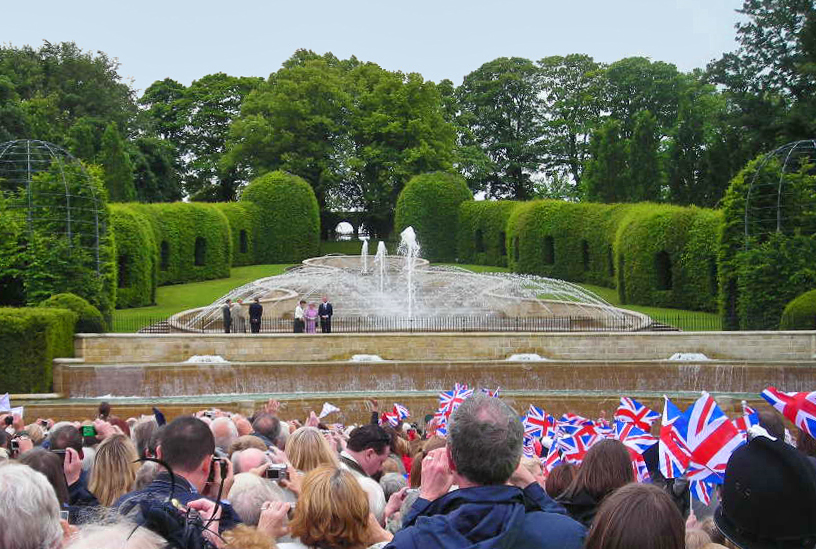
05 Alnwick Gardens, Northumberland – perfect for the Queen’s visit

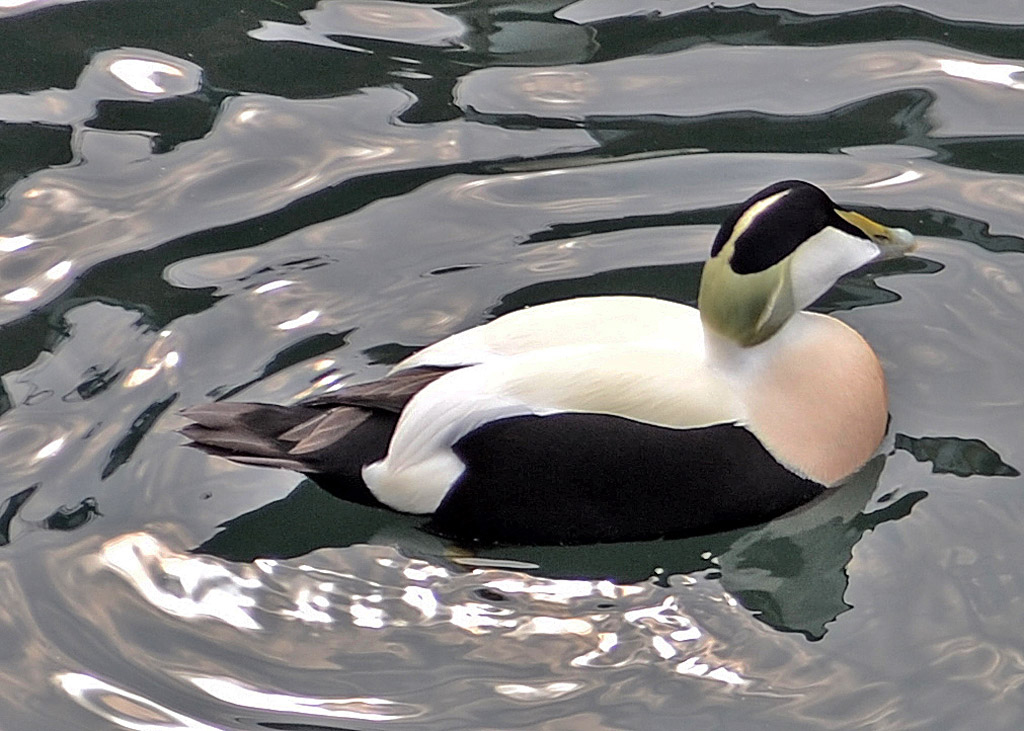
06 Eider Drake in full courting plumage, Amble Harbour, Northumberland


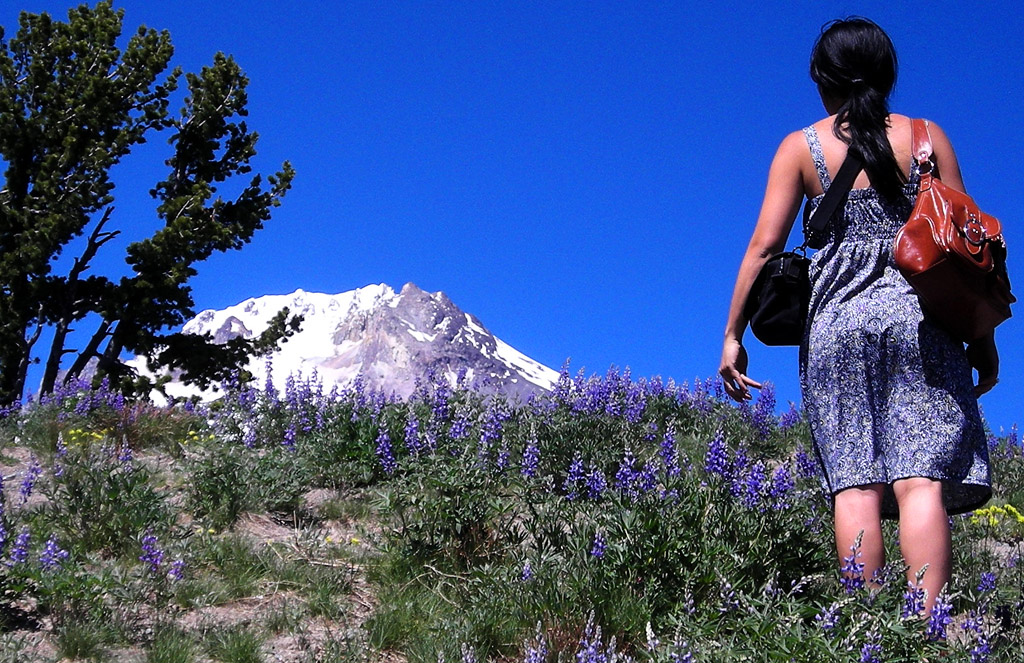
07 Mt Hood meets Kim, Oregon USA

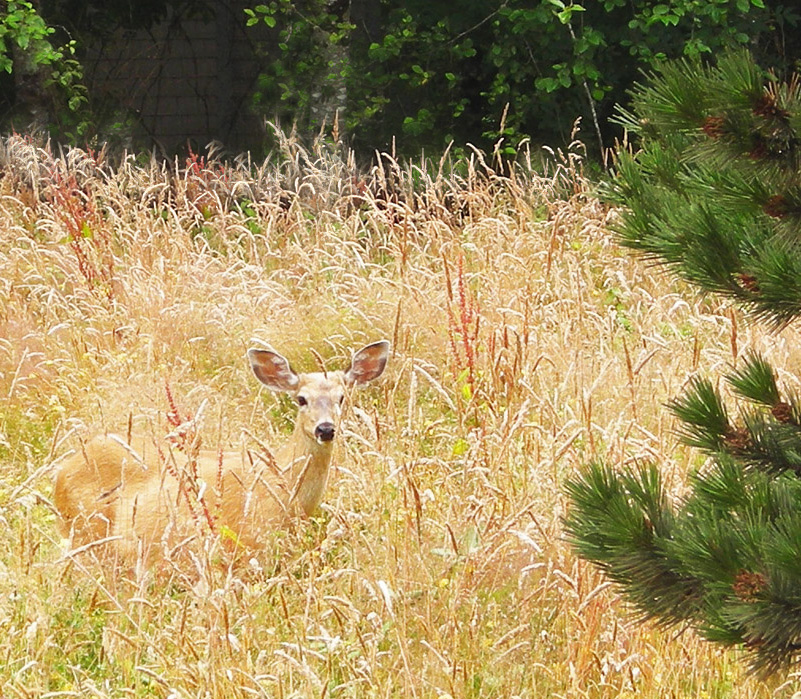
08 Camouflaged deer, Neskowin Beach, Oregon USA


09 Dutch skyline, Leiden, The Netherlands


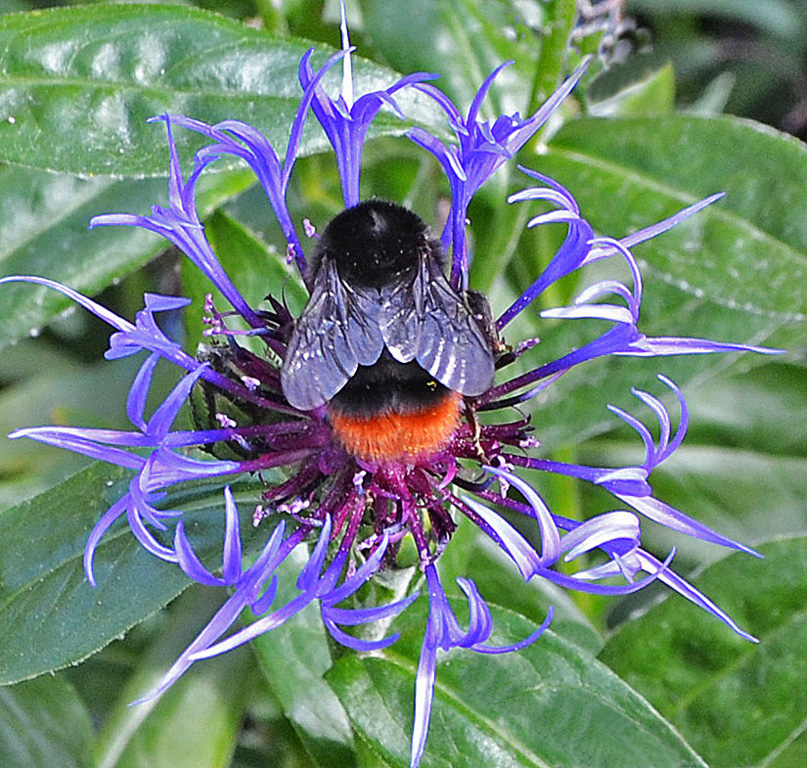
10 Buzzy Bee, Alnwick Gardens, Northumberland


My answers to the questions:

“Question 2

Select one image from your EMA panel that you are pleased with and explain how it demonstrates your visual awareness. As appropriate, refer to composition, visual creativity, viewpoint, decisive moment (if relevant), use of camera, image editing and overall visual impact. (12 marks)”

07 Mt Hood, Oregon, meets Kim

07 Mt Hood meets Kim, Oregon USA

This, for me, is a shot that speaks of contrasts – My daughter-in-law Kim is tiny – as a professional photographer she amazes me with her ability to carry heavy camera bags, even at 7000 feet up Mt Hood! Just over that brow was a glacier rising to the peak 5000 ft above us. We were in 30c, the snow speaks for itself, but the greatest contrast for me as I followed her was how she suddenly appeared to dwarf the mountain peak in front of her. I have cropped the image to accentuate that effect and to make her the focus. I have also enhanced the blues though not by much as the sky was virtually this colour, her dress and the wild lupines blend nicely and I was interested that the thinner air seemed to produce a much crisper image and bolder shadows. I deliberately did not lighten the shadows on her dress or hand as I think this adds to the effect. For the same reason, to show how bright the hot sun was, I have not taken away the highlights on her bag. This was taken with my small Nikon Coolpix L6.
“Question 5

Contrast any two images from your EMA panel that you have not discussed elsewhere in your EMA. Identify some important differences between these two images. As appropriate, refer to aspects of visual awareness and technical qualities as listed in Part 1. (12 marks)”

‘01 Inner Farne Island’ compared to ‘02 Fire in Alnwick Gardens Treehouse’.

01 Inner Farne Island, Northumberland coast

02 Fire in Alnwick Gardens Treehouse, Northumberland


I took both these with my new DSLR. The Inner Farne image appeals to me as I love nature and found the uncontrolled wild bleakness of the island and its inhabitants exhilarating, whereas the Alnwick Treehouse image of the fireplace is warm, cosy and completely safe and predictable. The island rocks are random, forming natural ledges for the nesting sea-birds; the Treehouse architect has won many prizes! Yet I enjoy both images. Both photos were cropped slightly, to zoom in on the main subjects and cut out distractions. The colour of the sea was simply saturated to give a more pleasing blue hue; I am also pleased with the result of enhancing the colours to bring out the green lichen and other shades in the rocks. I changed the colour and saturation of the green in the Treehouse window many, many times till I felt that it merged more into the background, yet still gave the impression of the light being filtered through the trees outside. I feel that the cool green of the window now accentuates the heat of the fire. I had some helpful feed-back on both shots on Open Studio.

“Question 6

Looking at your panel, identify and briefly discuss three characteristics that you think identify your style and individuality in your images. Consider, for example, originality, personal style, mood, humour. (12 marks)”
I believe my love of nature, being outdoors and the diversity of this natural world is represented in my panel. The only indoor shot is in the Alnwick Gardens Treehouse, which, in a quirky way, actually fulfils all my favourite environments, being built of various rough-hewn woods, with trees surrounding and growing through it and one log burning in the fireplace. The only humans in my images are all seen from the back, or in the distance.
I have tried out several of my shots in Black and White and Sepia, but I still can’t ‘get’ what people see in these forms of photography. Maybe because, when I was first taking shots there was no choice, no colour, everything was BW?  But, more, I am naturally drawn to the use of colour to show moods and temperatures, and to make statements. This is not only apparent in my images, but also in my clothes, home and garden. I love colour!

I like my images to convey a snap-shot of a moment, and, in a small way, to tell a story at a glance. No1. Inner Farne, No2.Sunset Shadow, No5. Alnwick Gardens, No 7, Mt Hood meets Kim, No8. The Deer all have a story to tell.

I was thinking of doing a more advanced level of Digital Photography course next but know that I do not need it, not that I mean I can’t learn more, of course I can, but for my needs, for now, I have sufficient downloaded course tuition and videos to continue studying photography and Photoshop on my own for some time to come.

But I have been really energised by using my brain again; I left school at 15, wanting a job so I could buy mini-skirts and Beatles records, and only studied again when I was training in the navy as an aircraft mechanic, at 64 I needed a wake-up and this has been great!

So I am now hoping to sign-up shortly for another 10 week online course, ‘Roman Britain’, from the Department of Archaeology of Oxford University.  I have always been fascinated by ancient history and Archaeology and we live in a part of the British Isles rich in Roman remains.

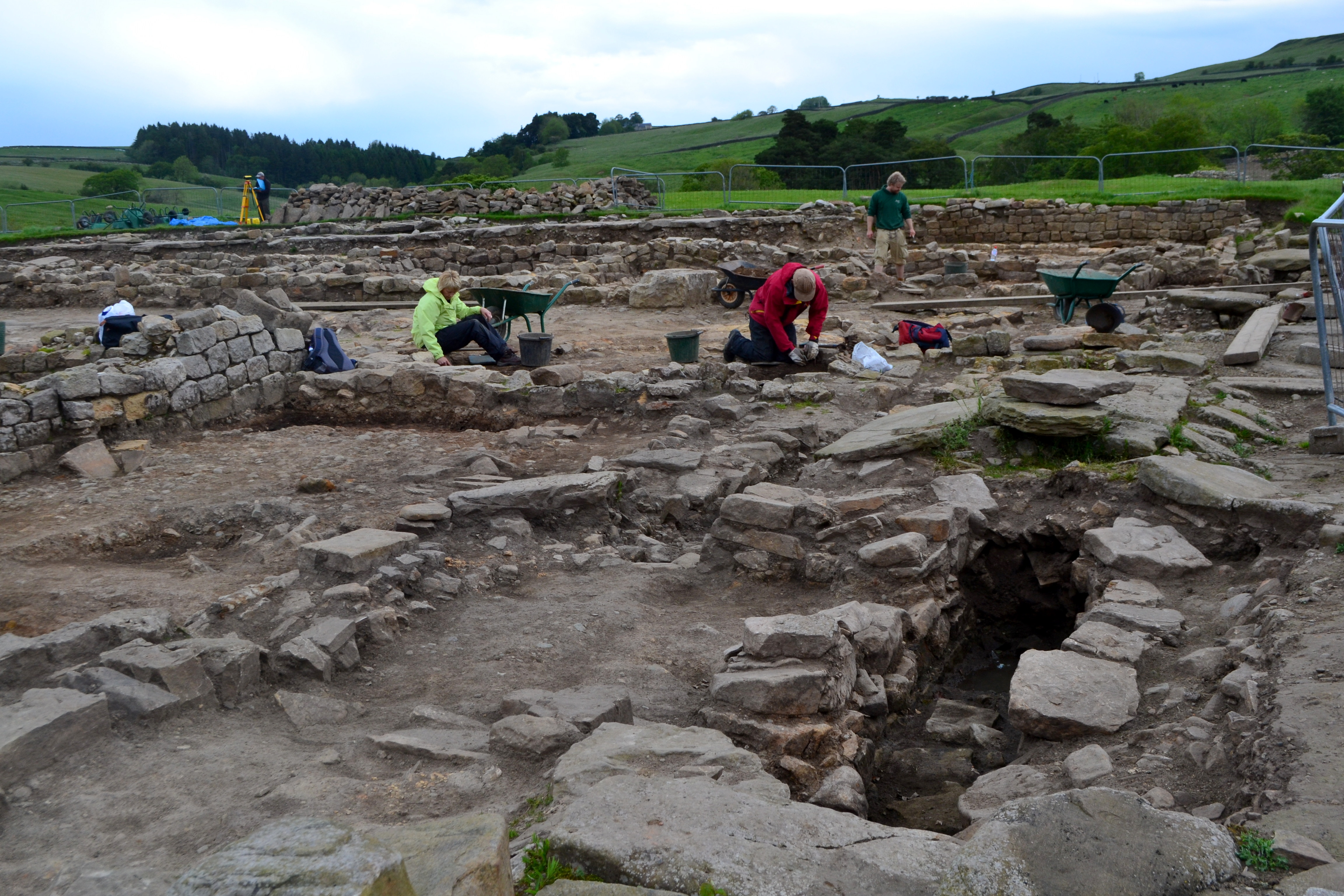
We have been twice in the past month to Hadrian’s Wall, 80 minutes drive to the south west of our home. We first go to the Roman Army Museum, walk part of the Wall, then go to the huge ongoing archaeology dig/visitor centre at nearby Fort Vindolanda.

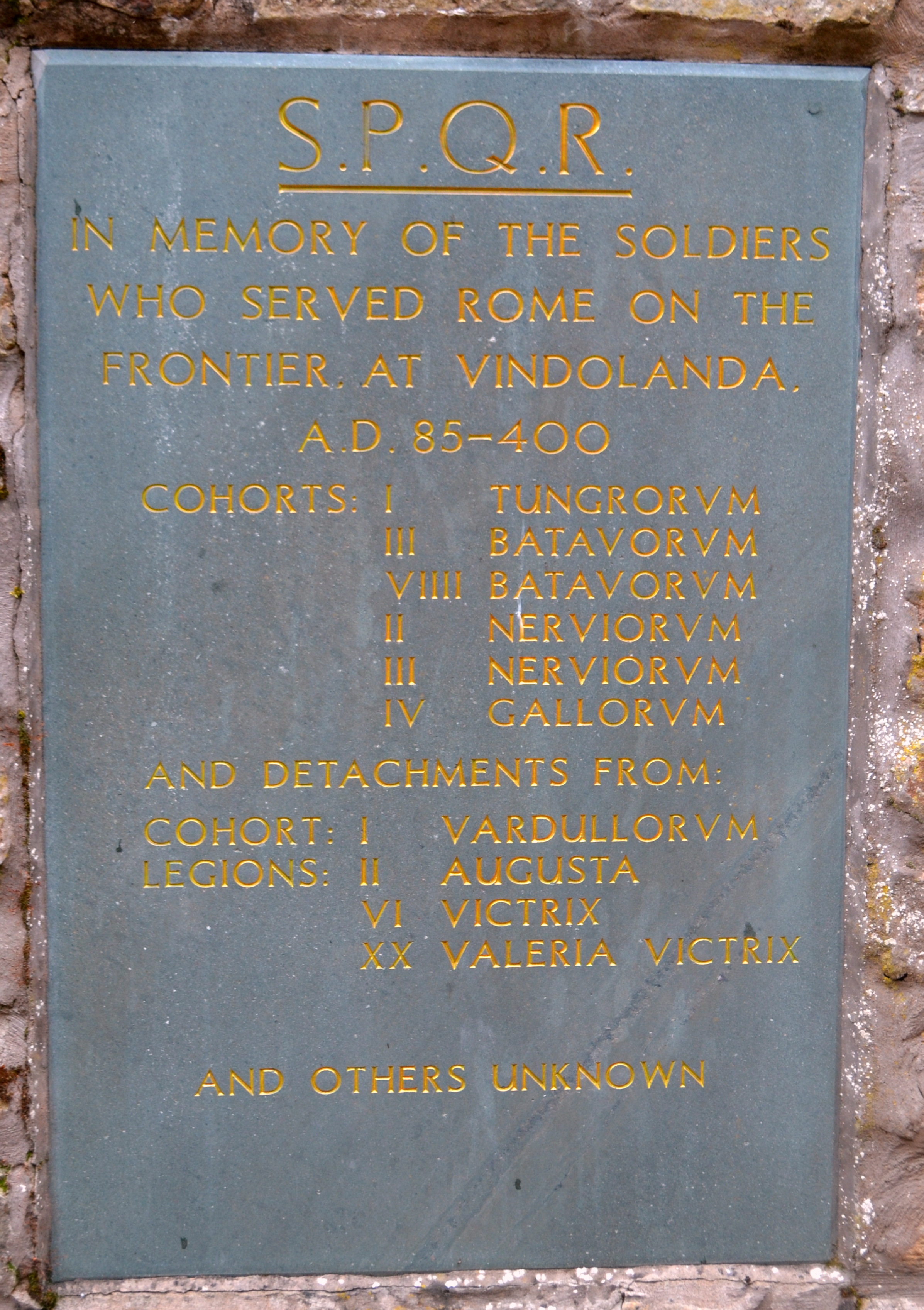
A military memorial with a difference - these men built and manned the Wall

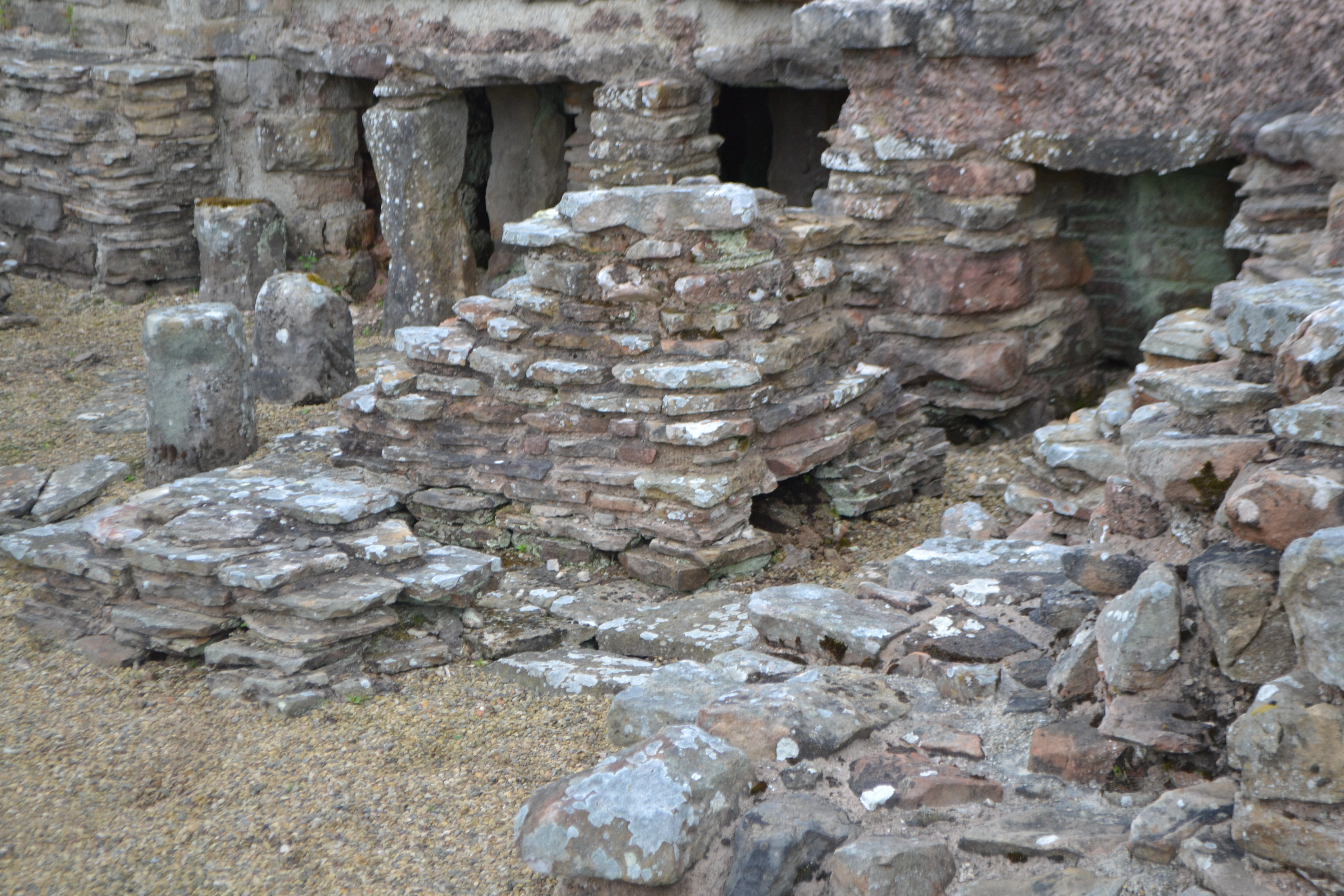
This furnace was underneath the bath house at Vindolanda


Archaeologists working at Fort Vindolanda, Northumberland


One of my final panel of 10 images was one I took on the Roman Wall, it was, in 122 ad, coast to coast, around 75 miles but since the Roman Army left 1600 years ago a great part of it has been dismantled and the stone used to build farmhouses, abbeys, castles and homes.

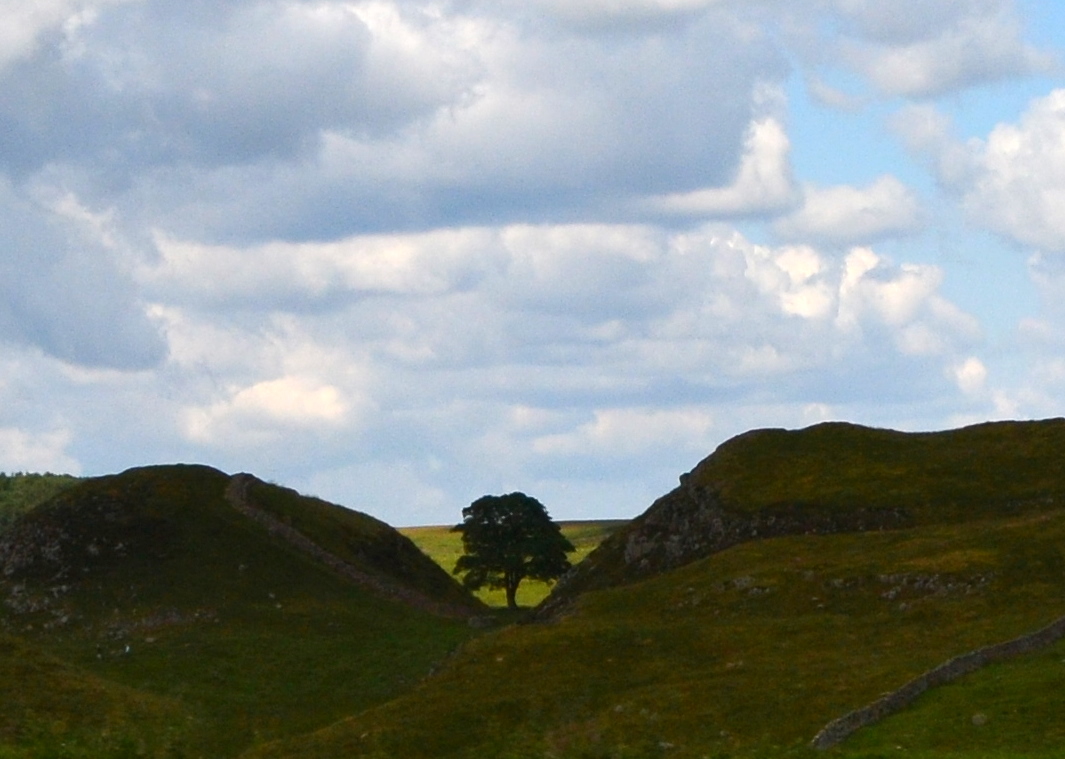
Sycamore Gap (aka Robin Hood's Tree) on Hadrian's Wall, Northumberland

But the remains are still impressive, and the Hadrian’s Wall National walking and cycling path is much used, with B & B’s, pubs, hostels and campsites along the routes benefitting from the visitors. Tourism got an extra boost when part of the journey taken by Kevin Costner and Morgan Freeman, in ‘Robin Hood, Prince of Thieves’ (1991) went from Dover to Nottingham on a 400 mile detour north to film on the Wall – literally! They were filmed running on top of the Wall (tut tut) in the scene where they rescue a young lad who had taken refuge from the evil sheriff’s men in the only tree around. This has always been known as ‘Sycamore Gap’, but seems to have had a name change to ‘Robin Hood’s Tree’ lately! 

Posted in About us, Creativity - Images, Creativity - Words, Living History | 2 Comments

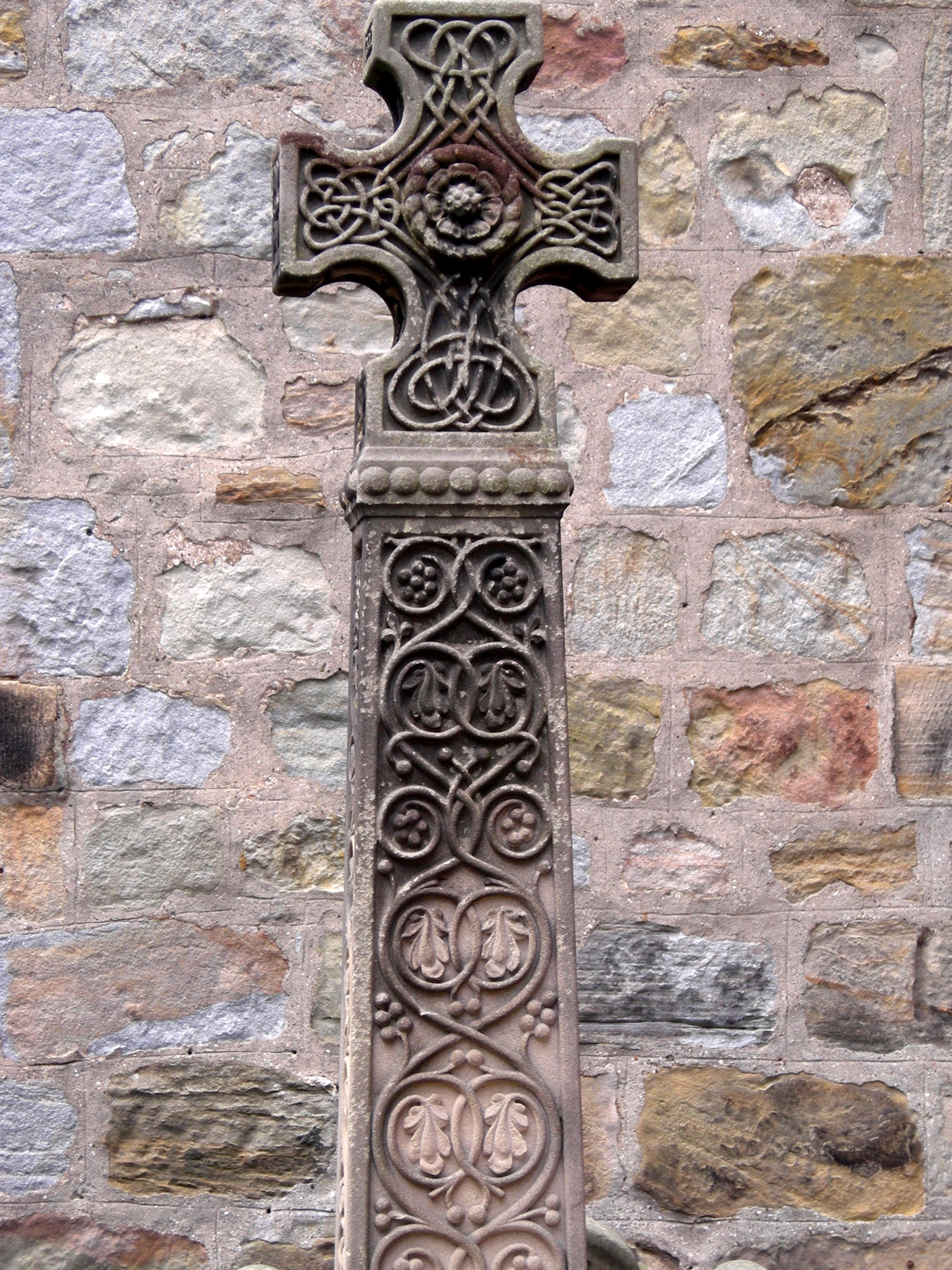
Celtic Crosses and symbols

Tim Severin made a replica of St Brendan's 6th century boat to sail to America

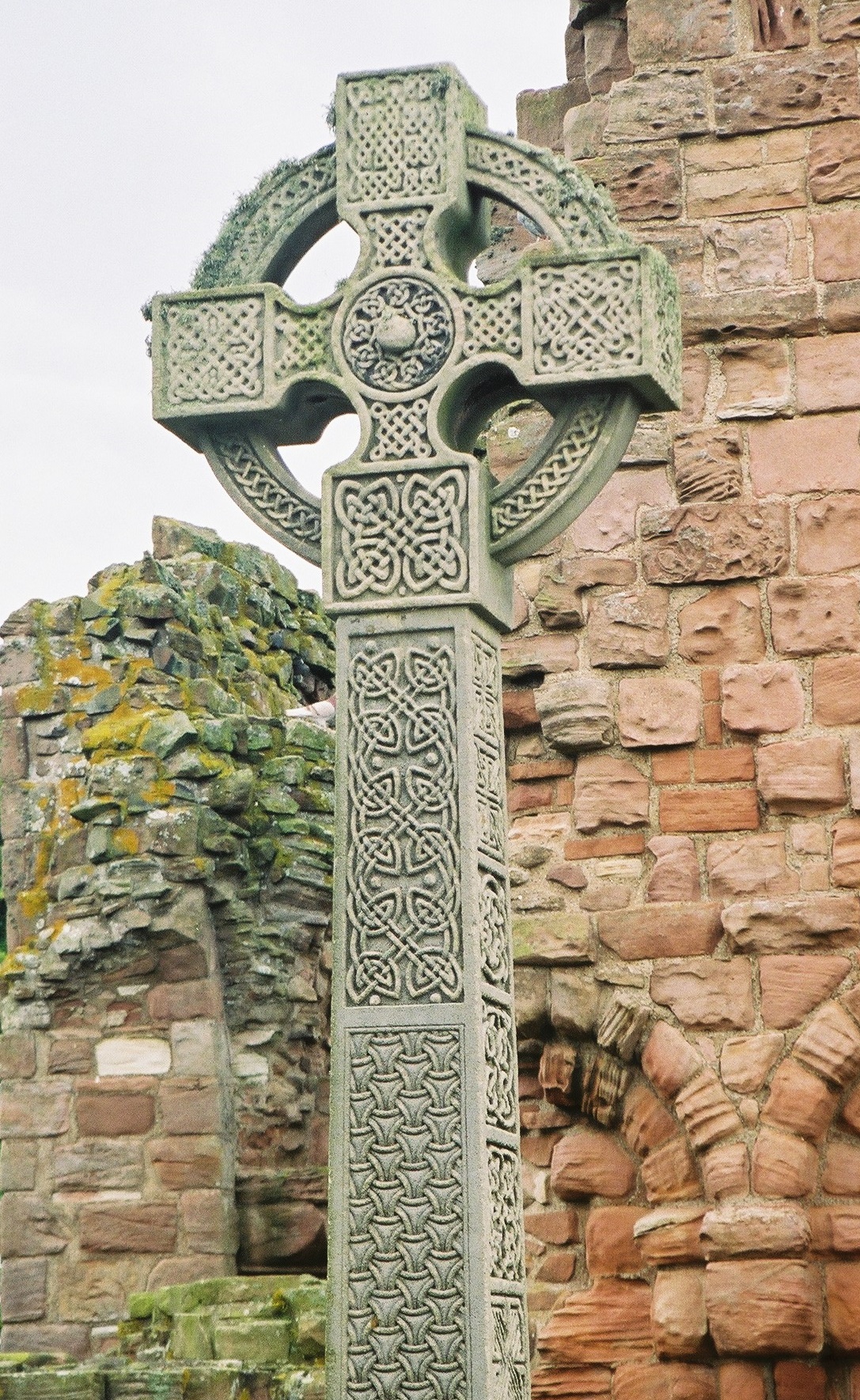
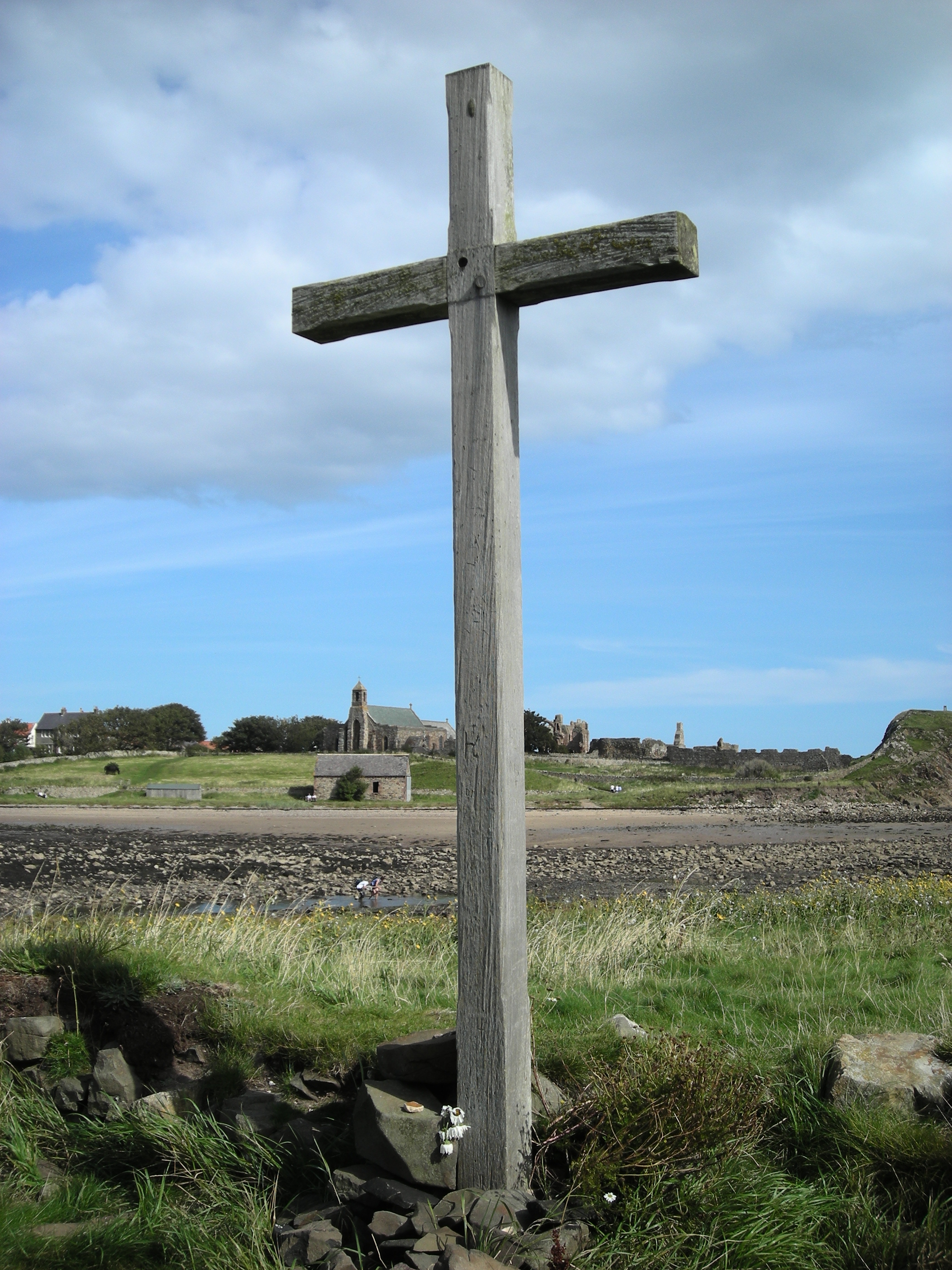
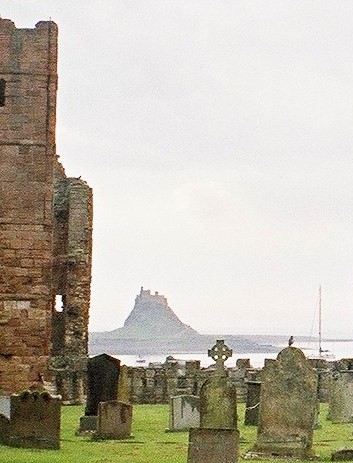
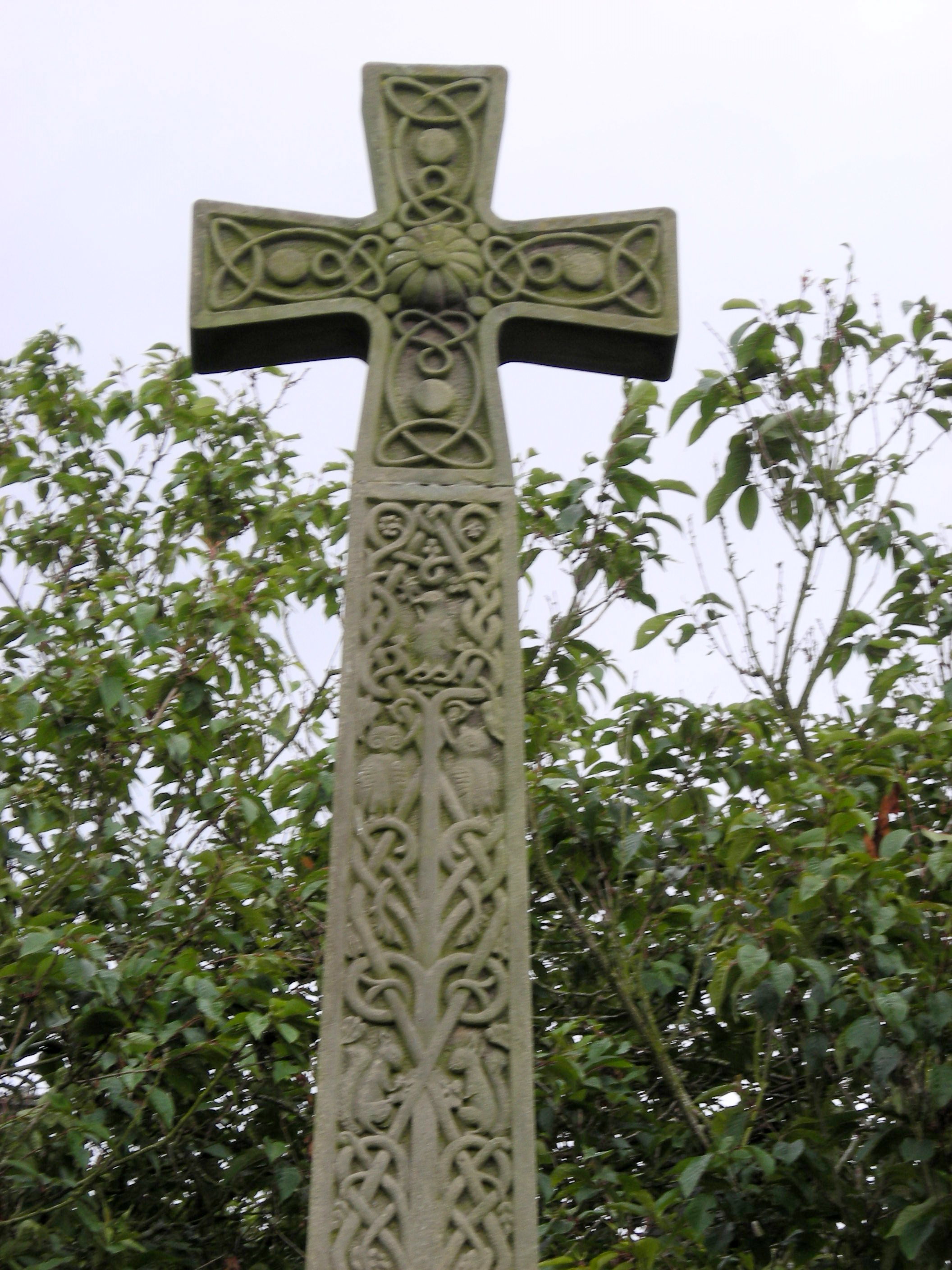
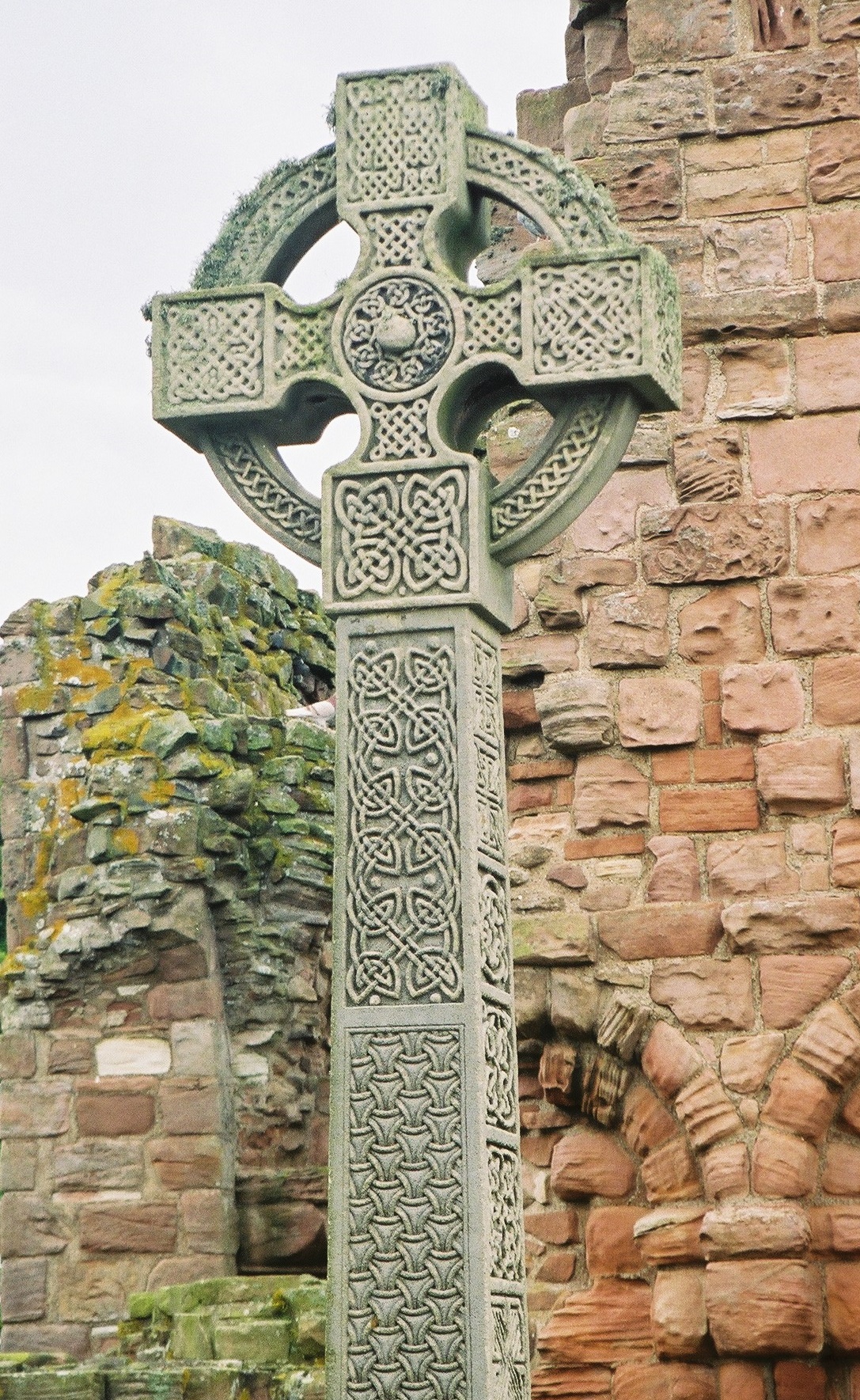
Cross at Priory Holy Island of Lindisfarne.

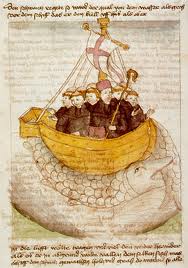
St Brendan in the boat, sailing to America

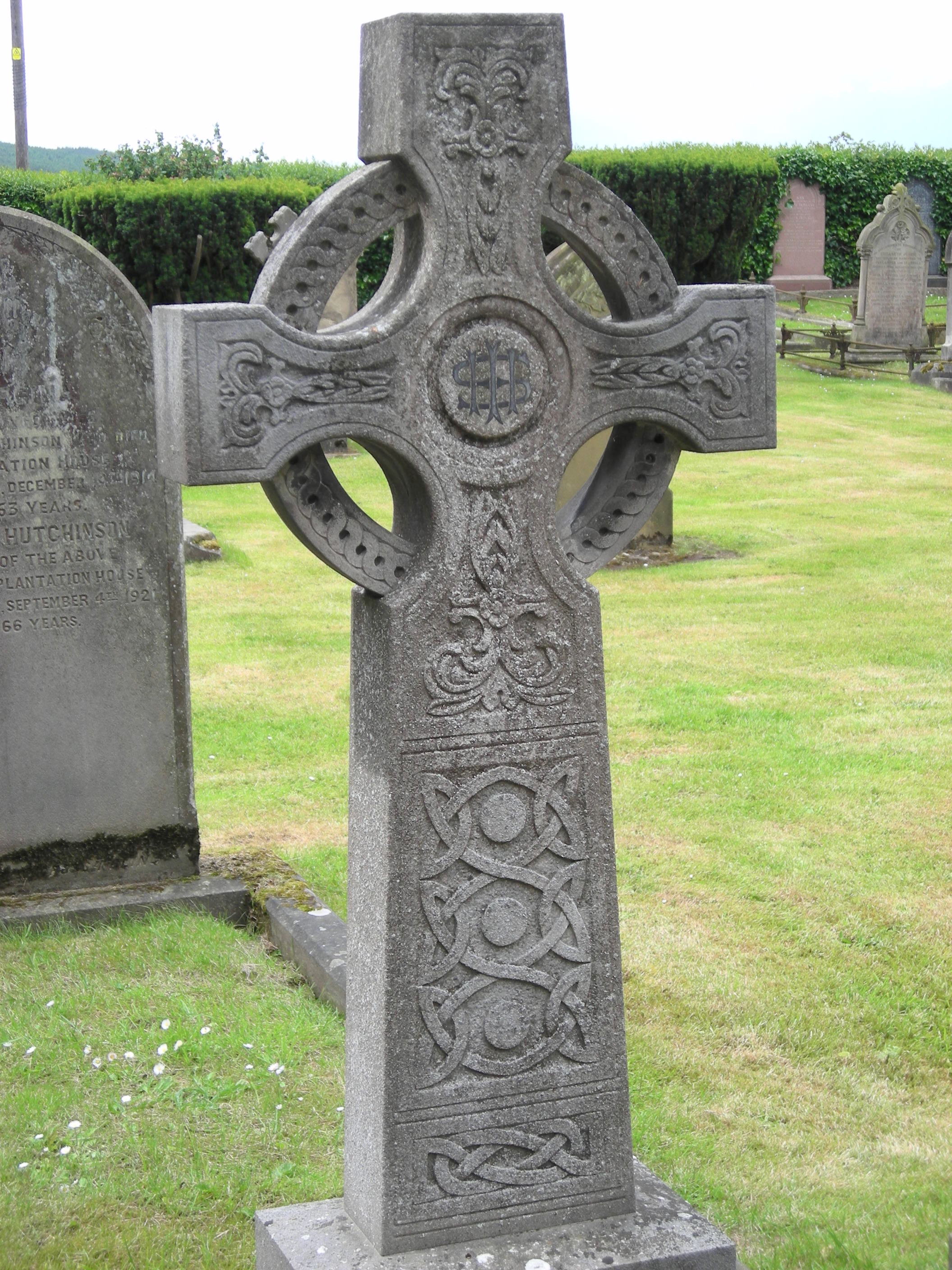
I have taken many photos of Celtic Crosses and have various other forms that symbolise the celtic stream of Christianity to me. Rob and I are Companions of the Northumbria Community, a new monastic dispersed group, following Christ with a Celtic slant. Our motherhouse, Nether Springs is located not far from where Rob and I live, in Northumberland, which is part of the ancient kingdom of Northumbria. This is where Christianity gradually flourished in the North East of England from around the middle of the 7th century onwards.

The Celtic Cross is typified by the circle joining the 4 arms, this circle is a symbol of eternity that emphasises the endlessness of God’s love as shown through Christ’s sacrifice on the cross.

That seemed to me to be reason enough to post this collection of images as we have celebrated Easter, when we remember that sacrifice, Christ’s death and glorious bodily resurrection – the greatest feastday in the Christian calendar is Easter Sunday,when our gratitude to God that He has made it possible for us, too, to live after death, is celebrated.

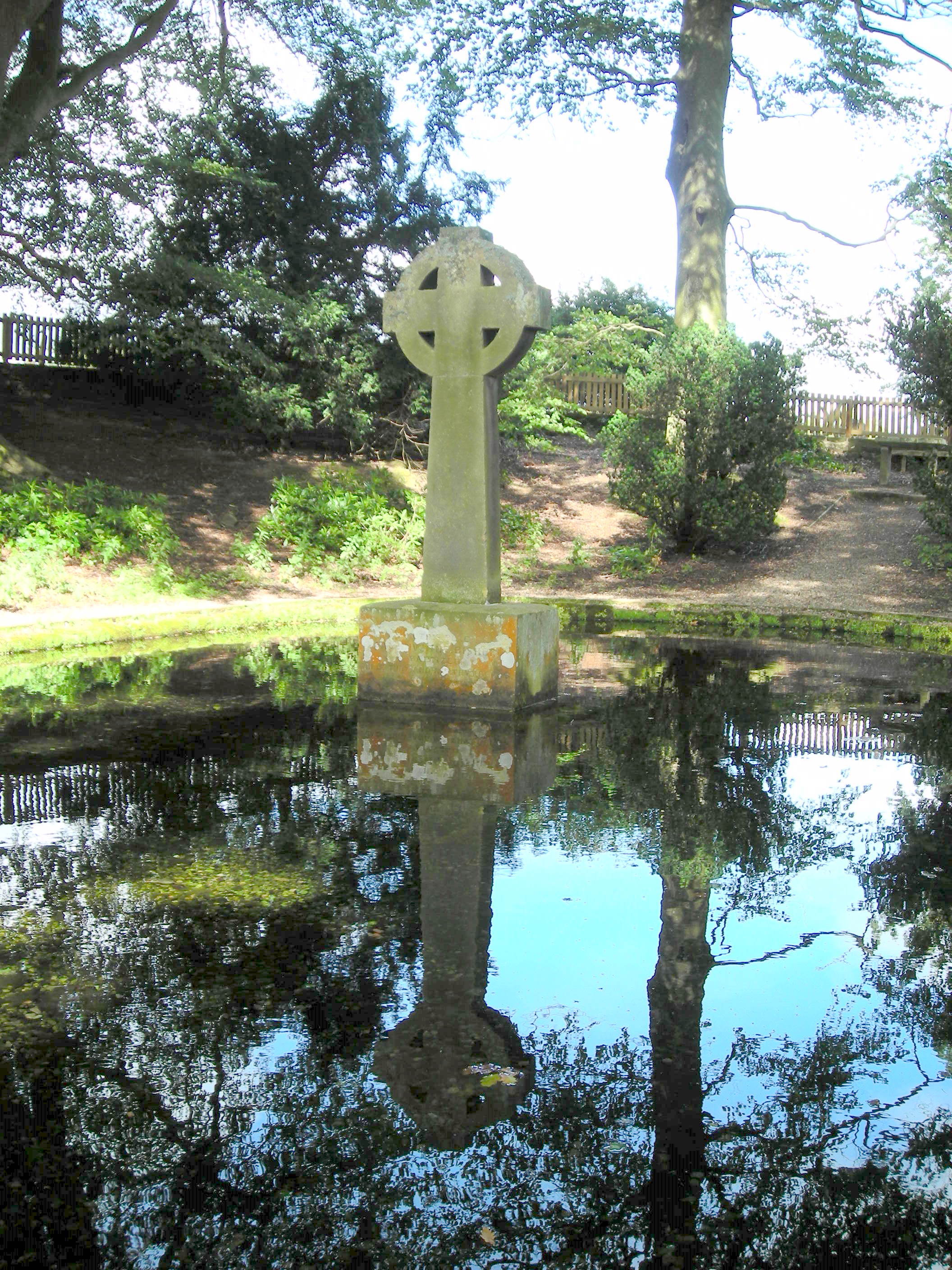
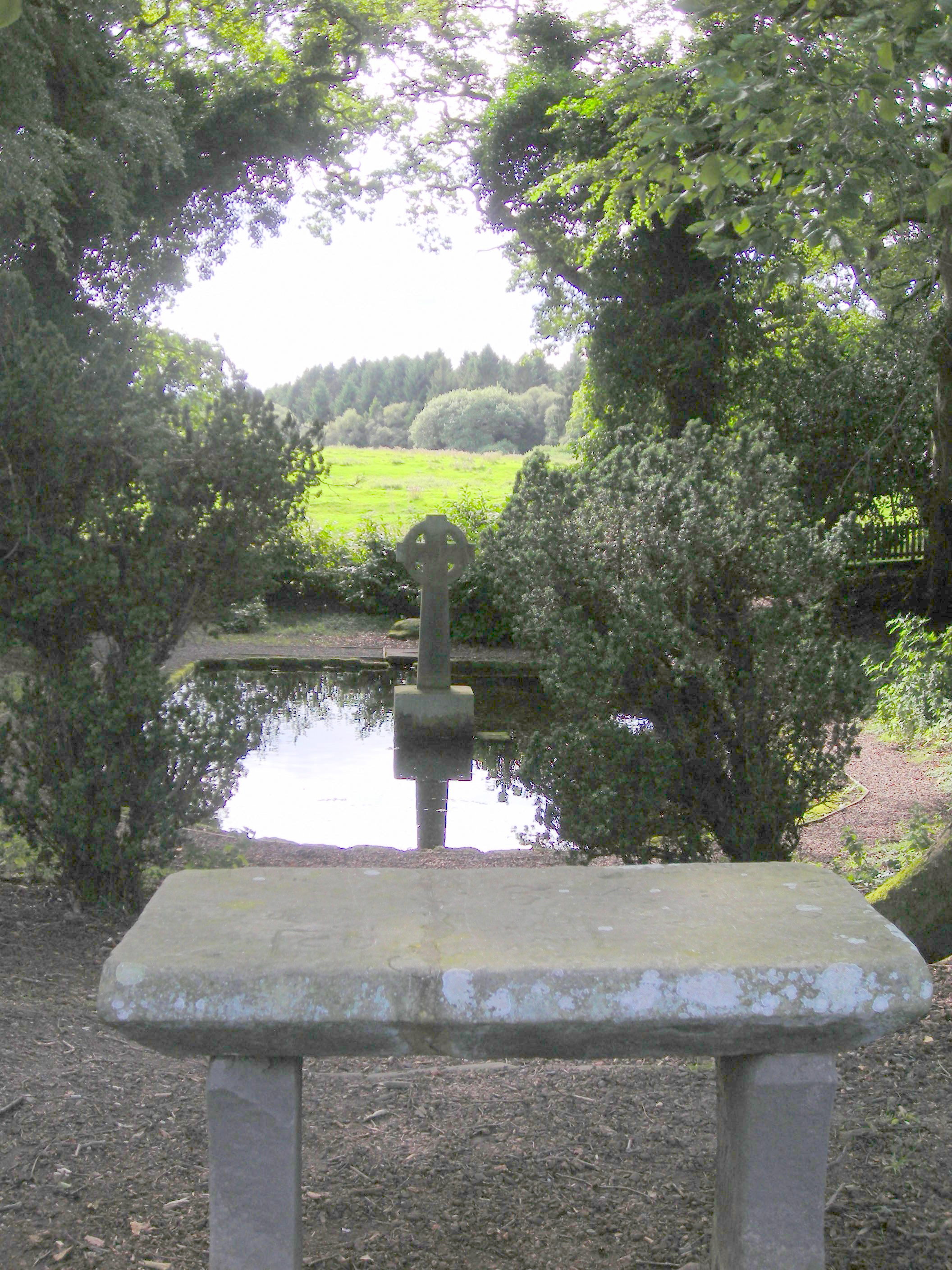
The Lady's Well, Holystone, Northumberland

I shall let the crosses and symbols speak for themselves.

St Patrick's RC Church. Portland, Oregon.


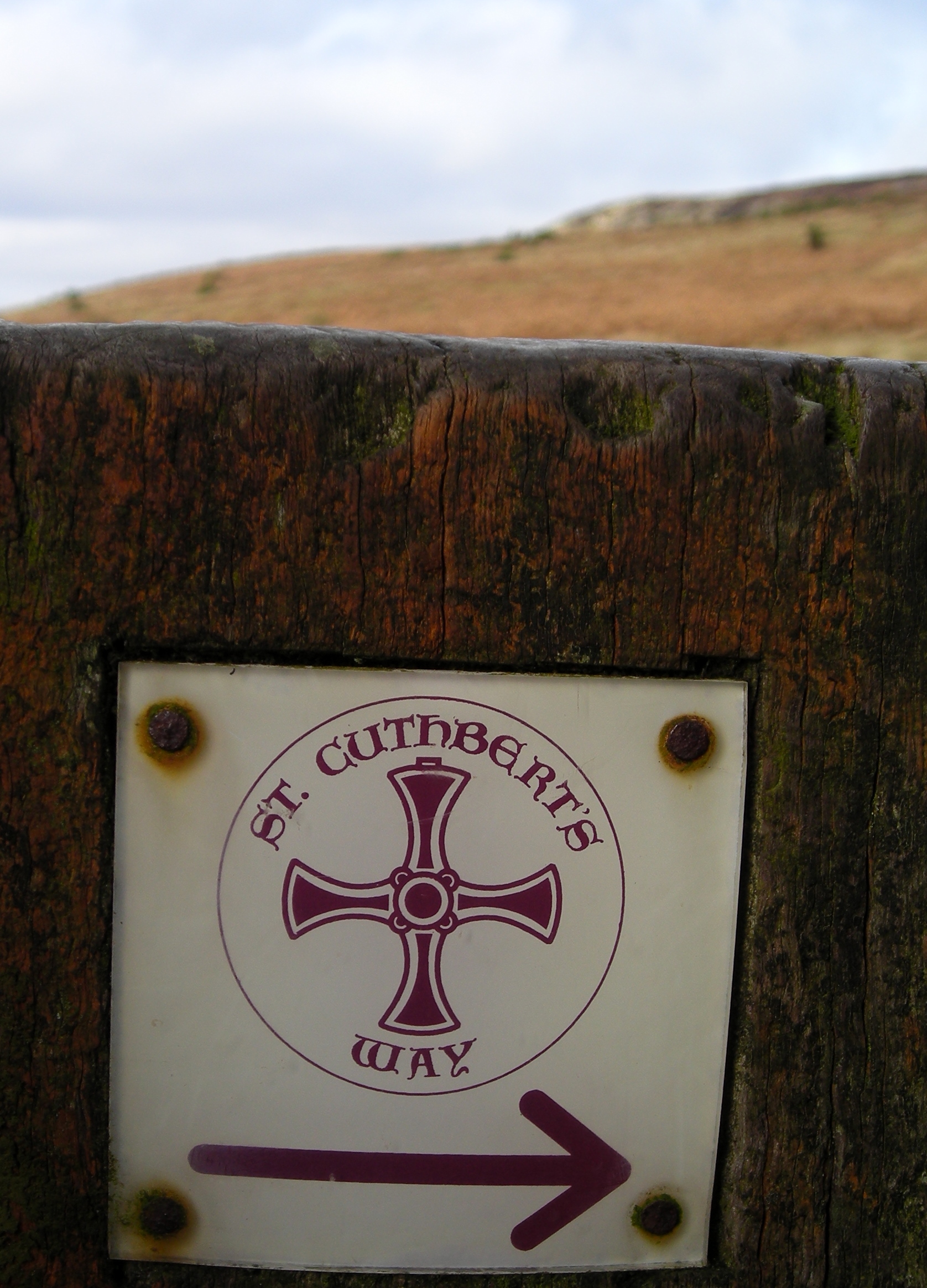
This is a 'Cuthbert's Cross' on the Pilgrim Path named after him, also bishop of Lindisfarne, Northumberland.


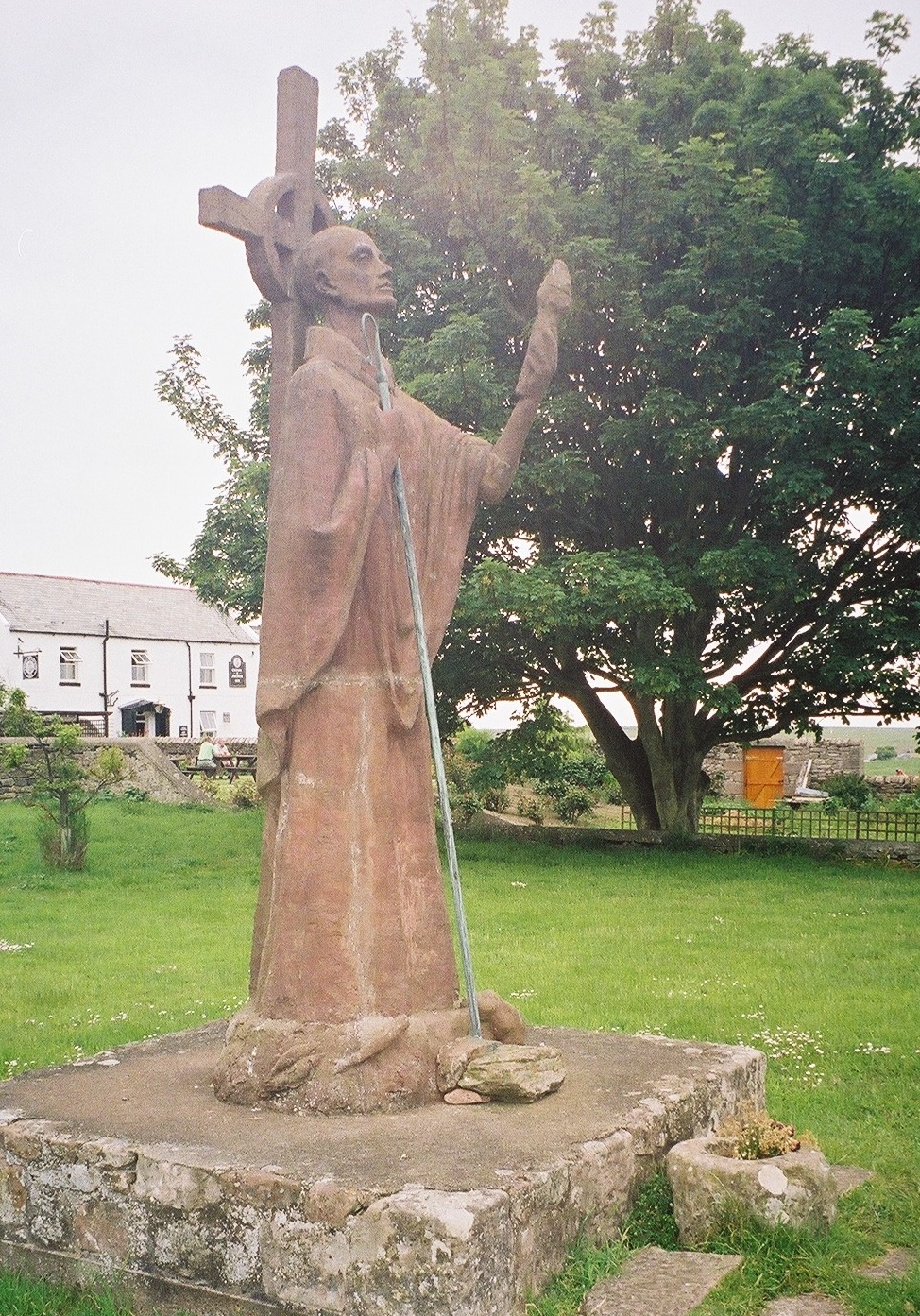
St Aidan. 1st Bishop of Holy Island (in 635) where this statue stands.

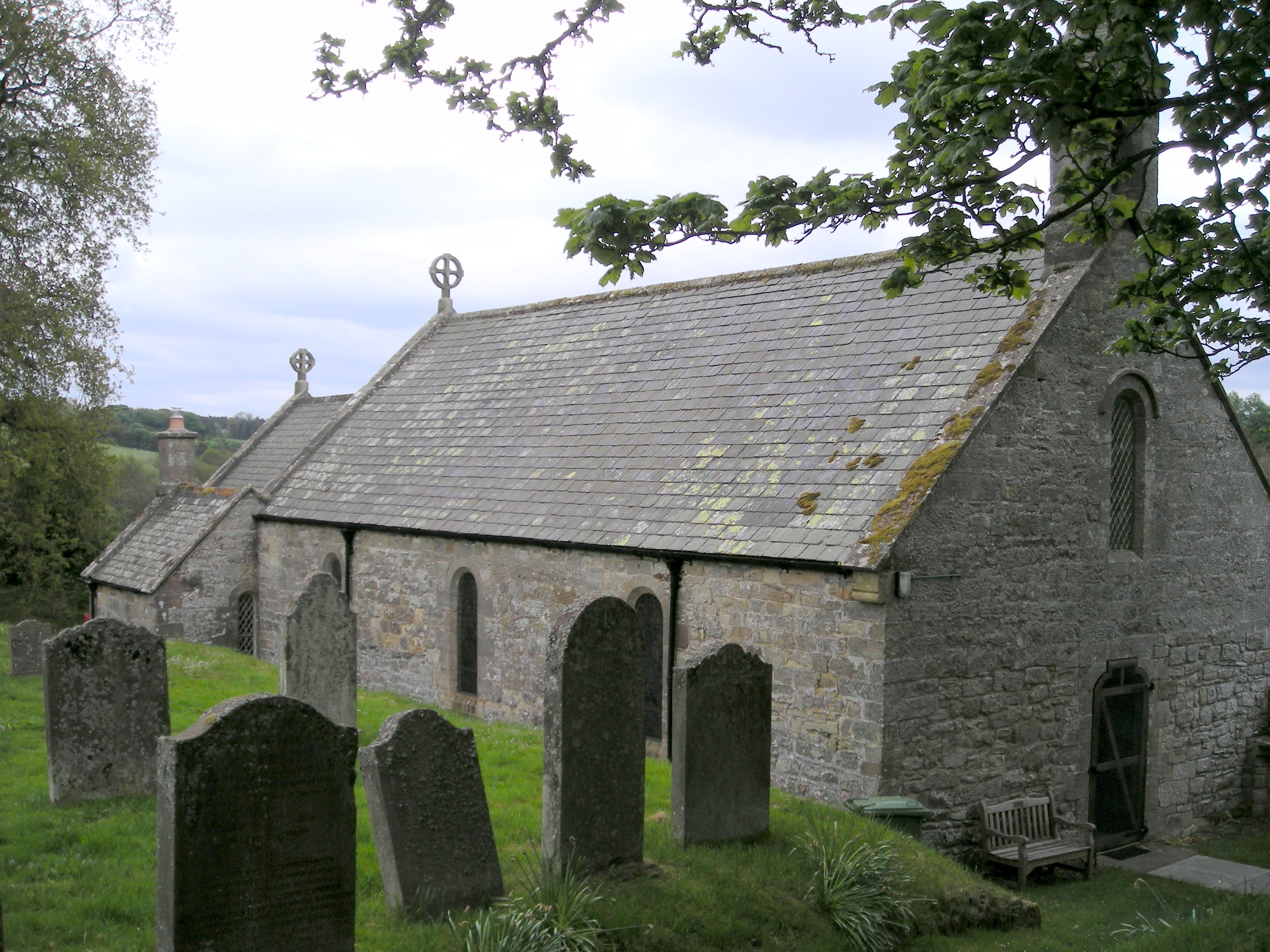
The church of St Mary the Virgin, Holystone, Northumberland

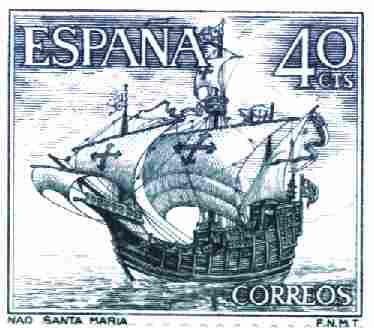
Santa Maria Stamp - Columbas's ship, he was convinced that Brendan found land to the west.

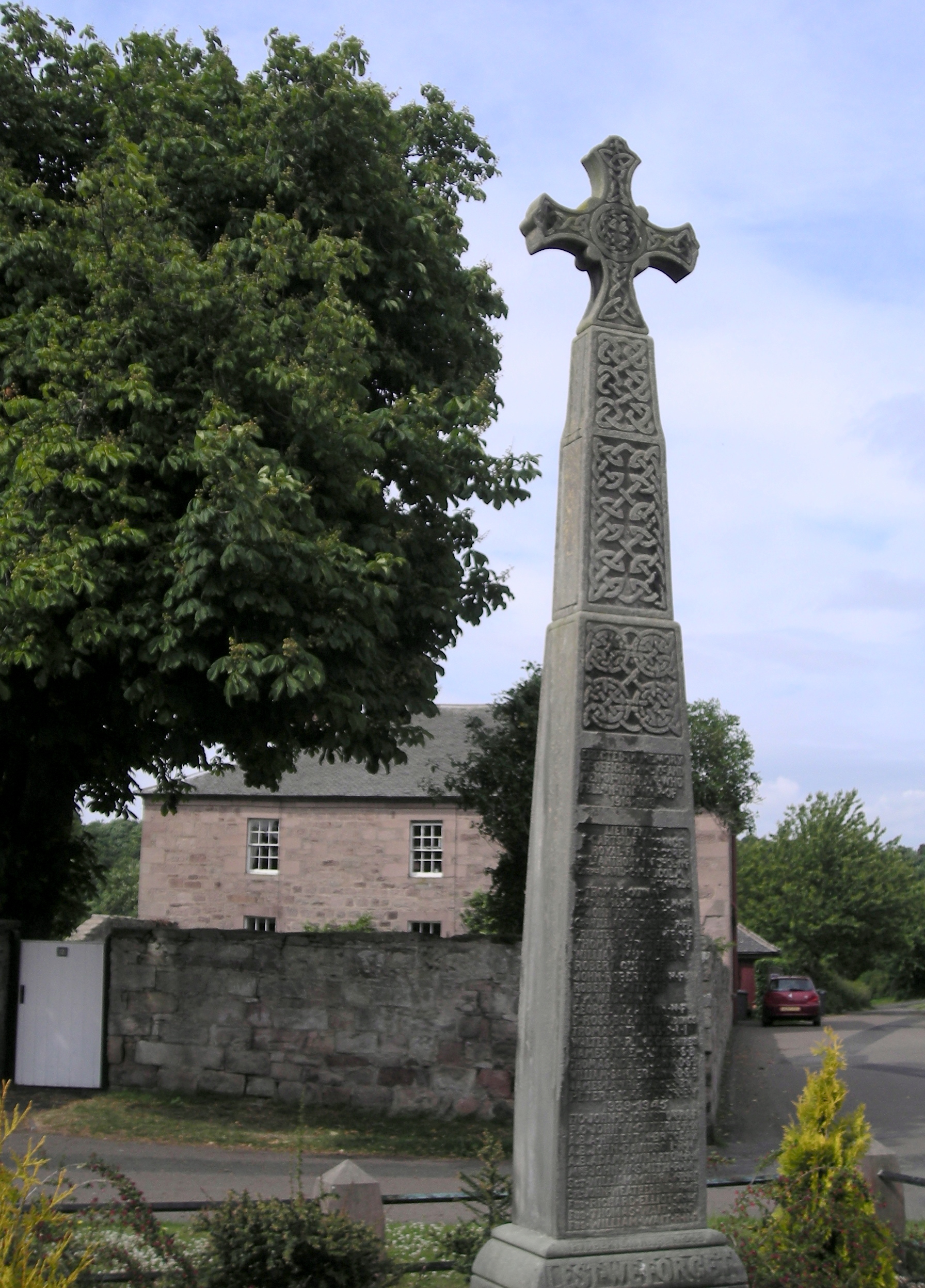
Rothbury war memorial, Northumberland


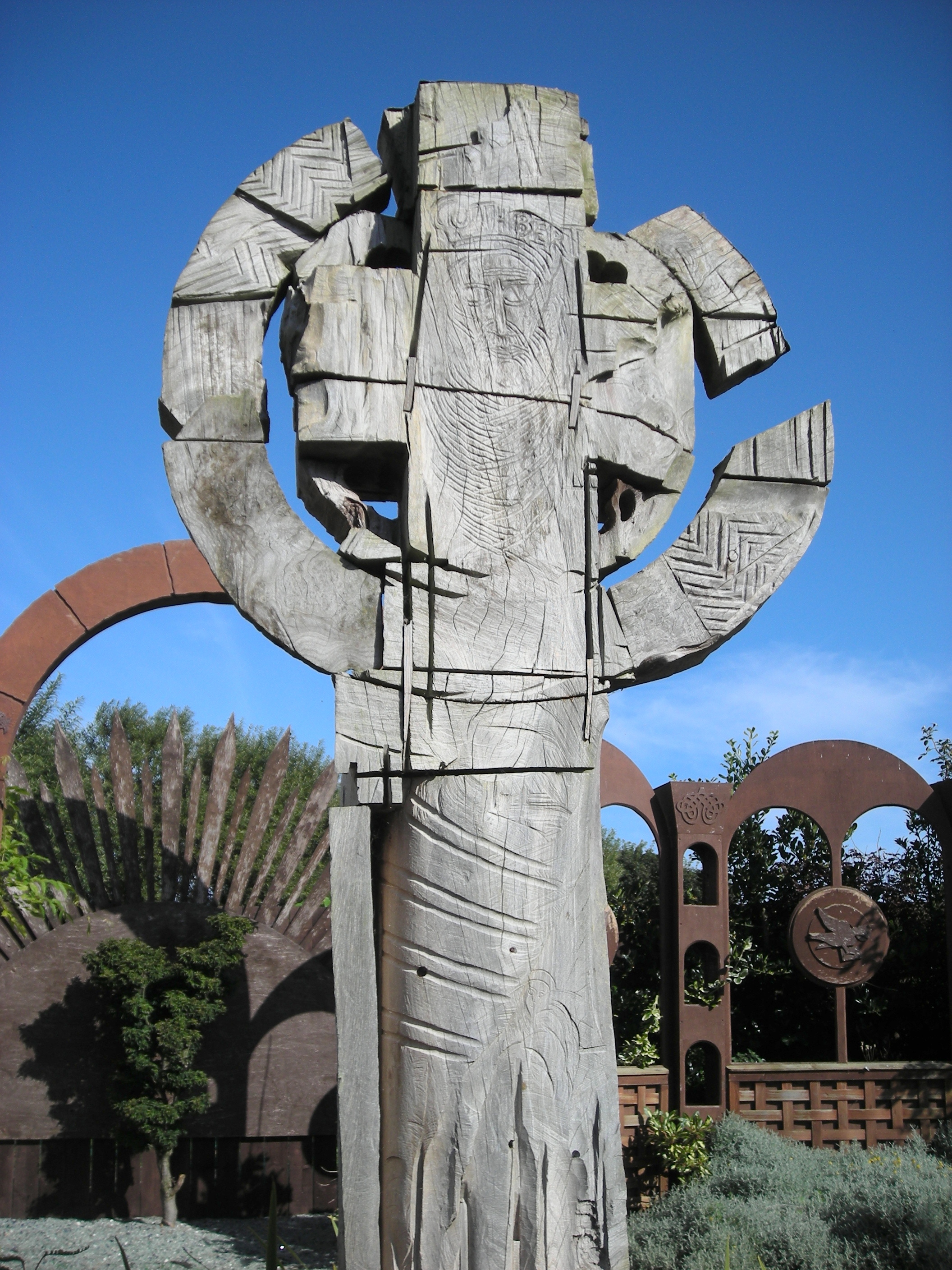
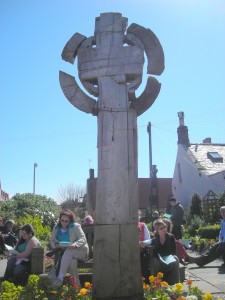
The “Broken Wheel” sculpture by Fenwick Lawson has St Cuthbert’s face in the centre of the Cross. (Lindisfarne)


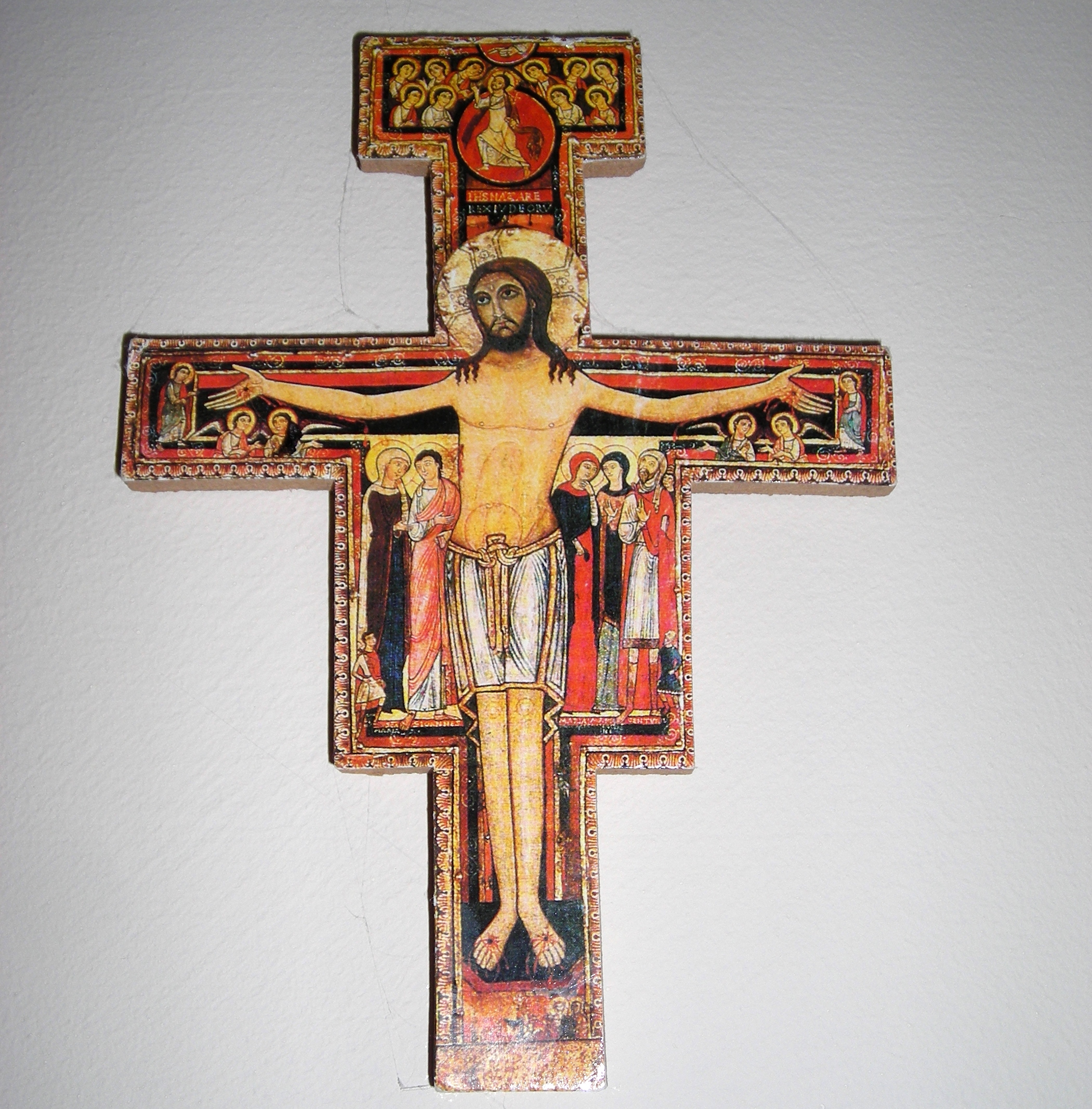
Replica Ikon


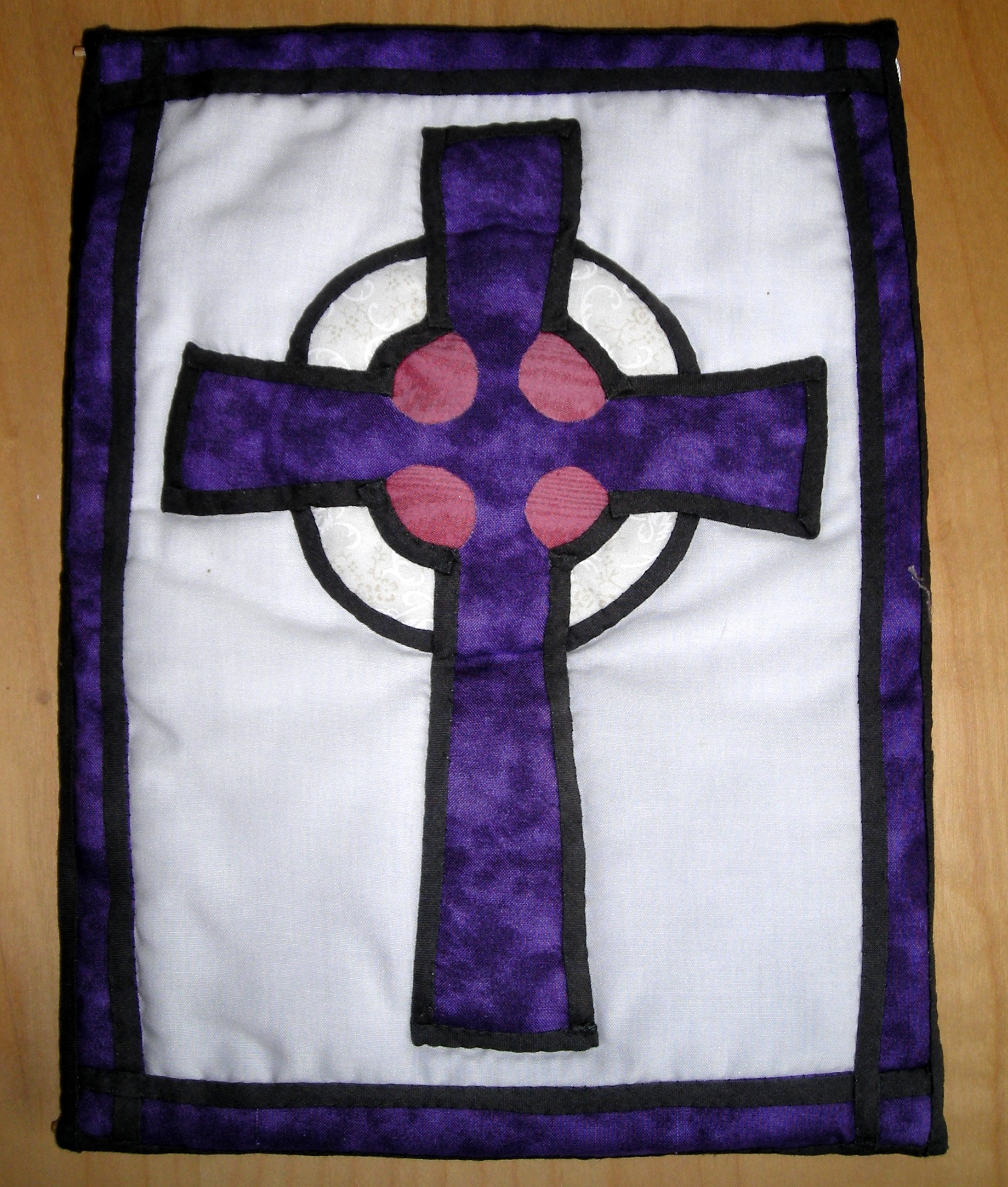
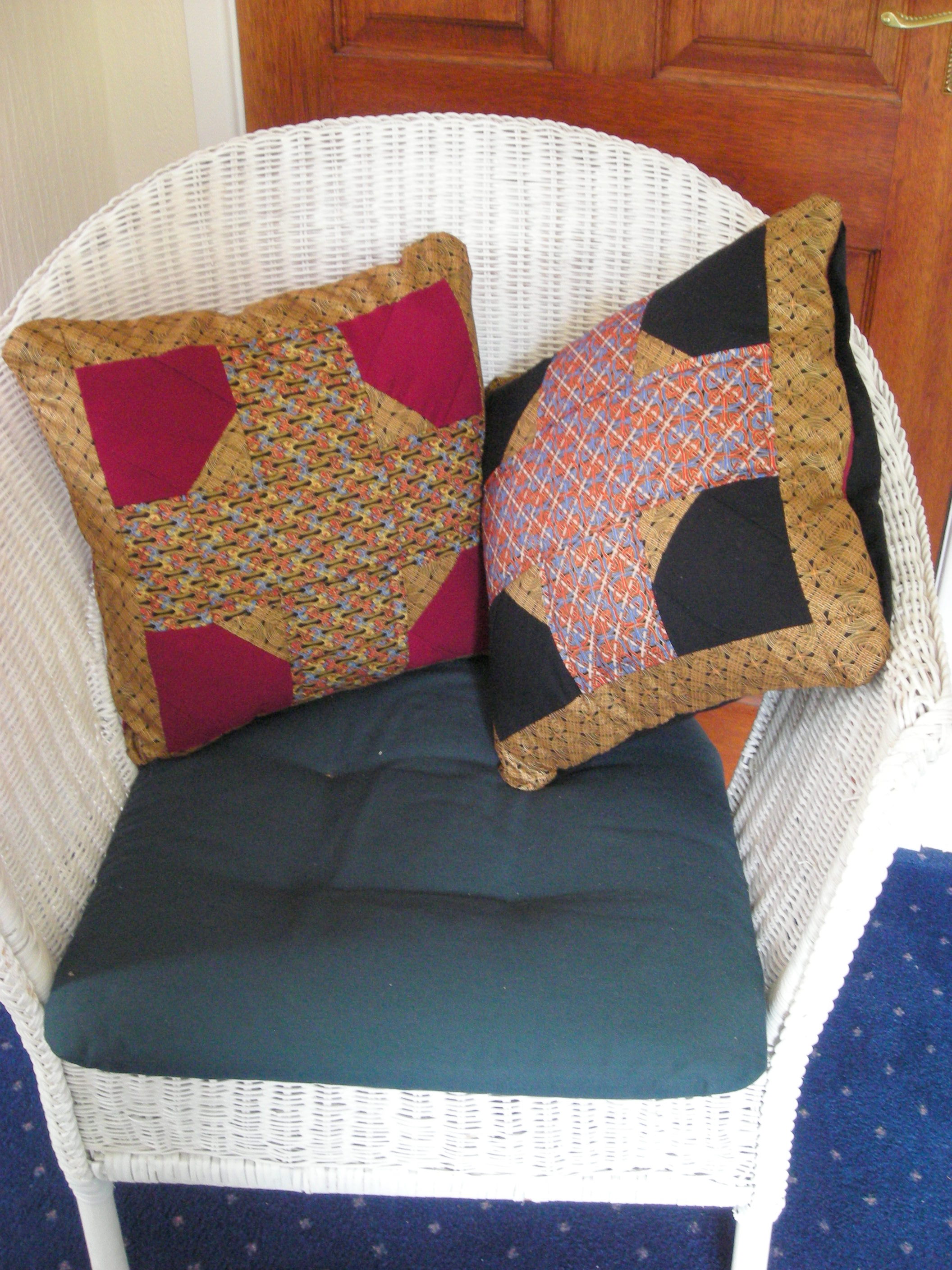
Quilted Celtic cross (own design)

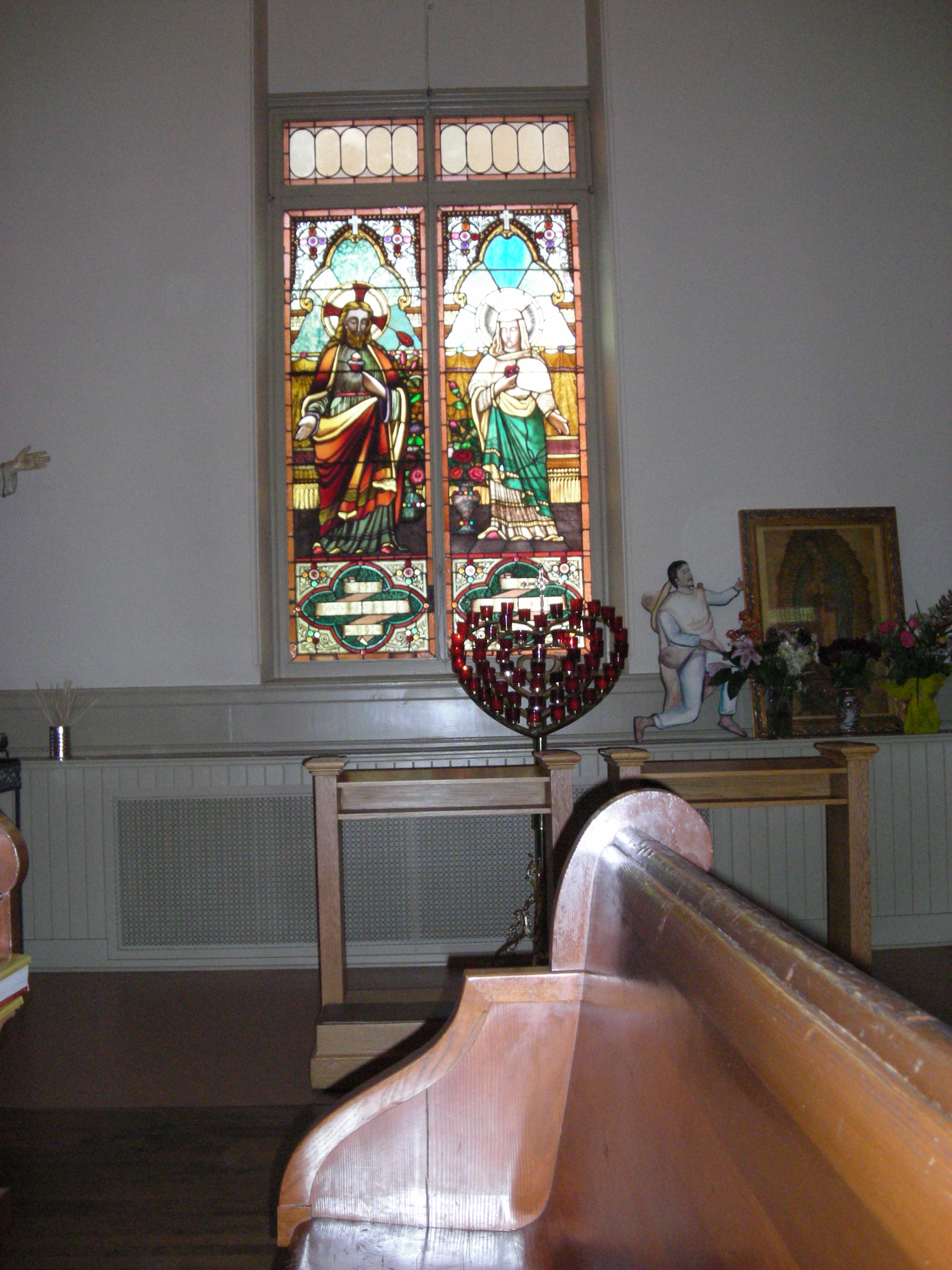
Window detail, St Patricks church, Portland, Oregon


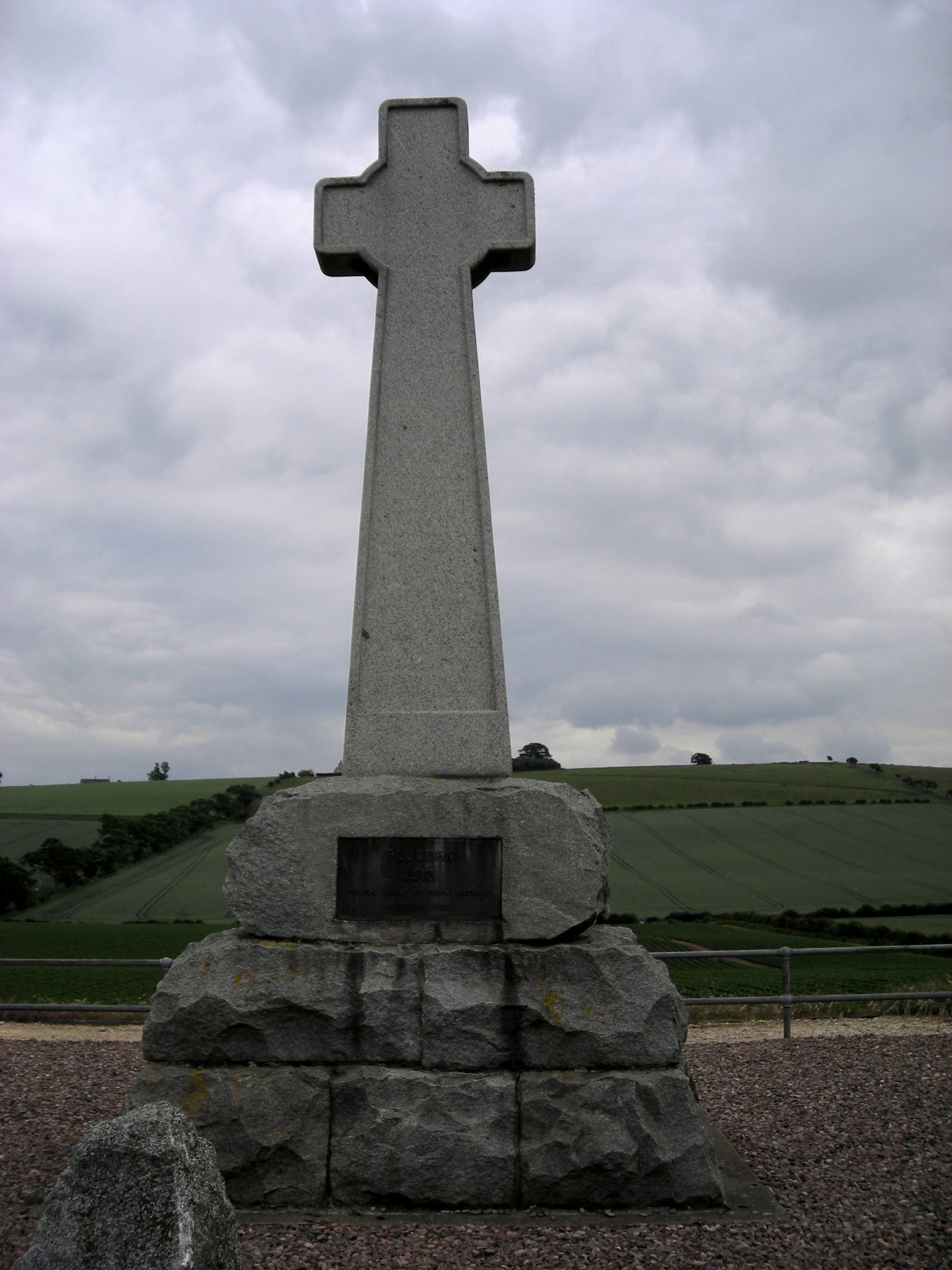
Memorial cross for the Flodden Field battle site of 1513. Northumberland

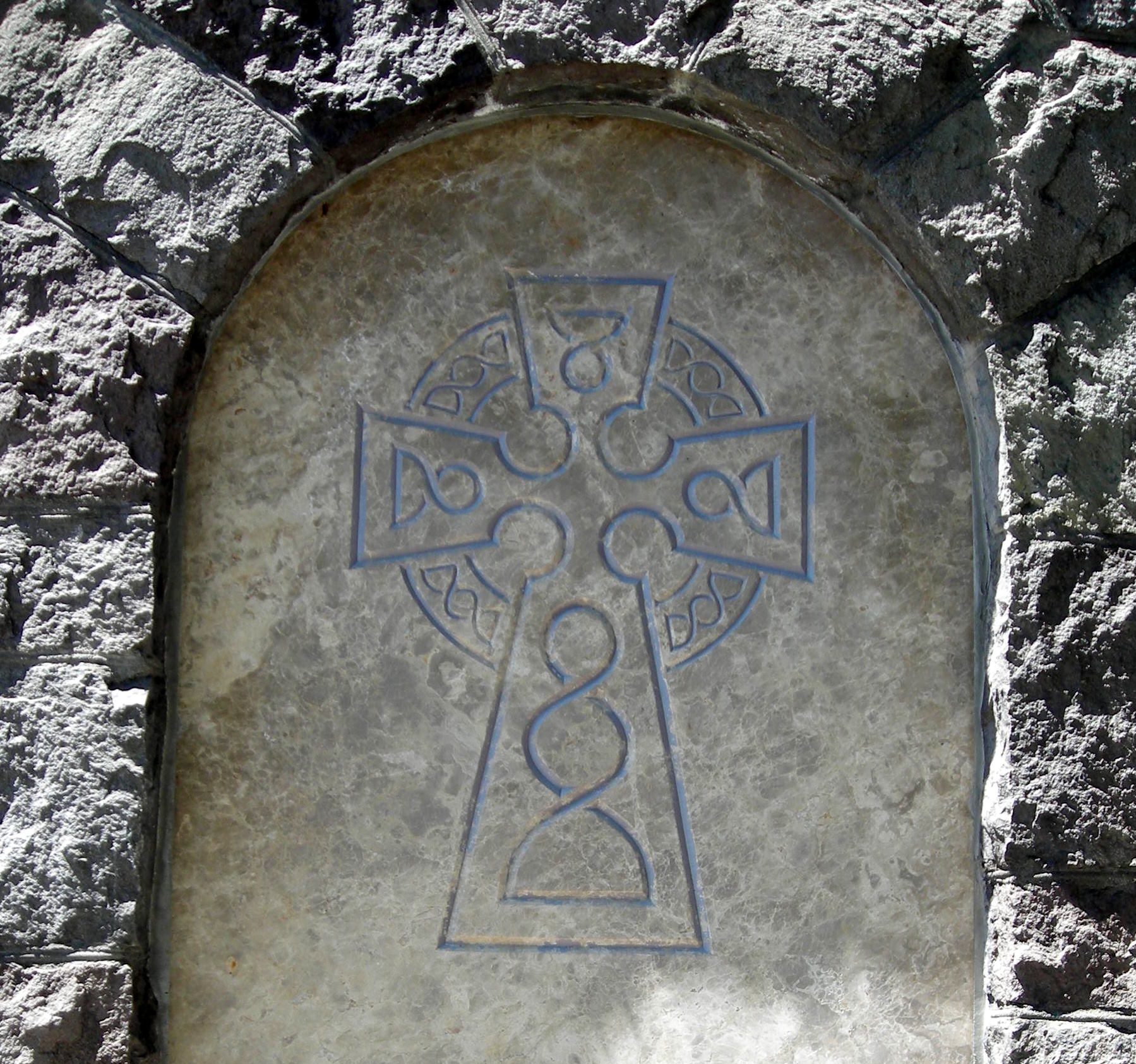
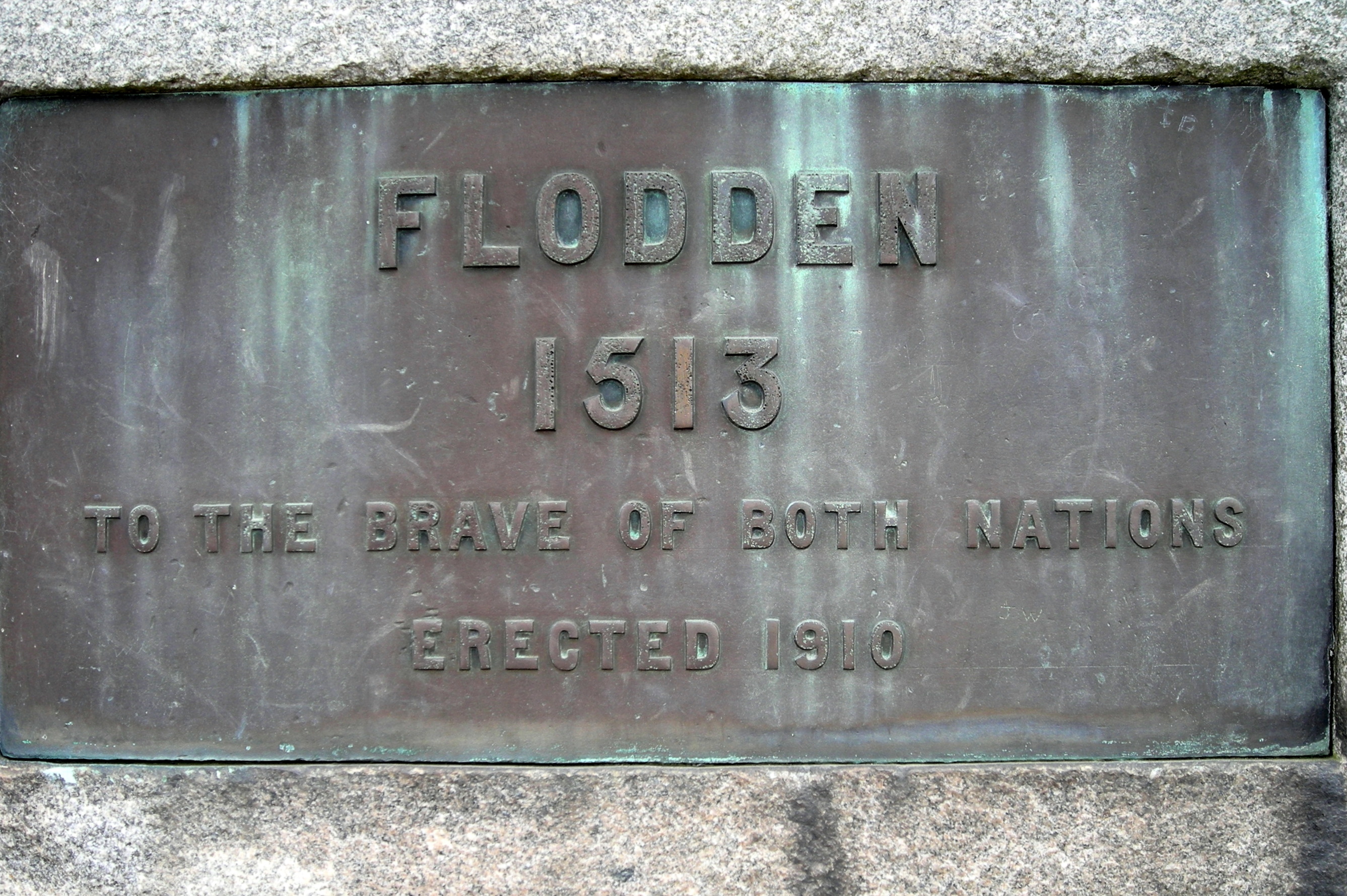
Plaque on the memorial cross for the Flodden Field battle site, Northumberland


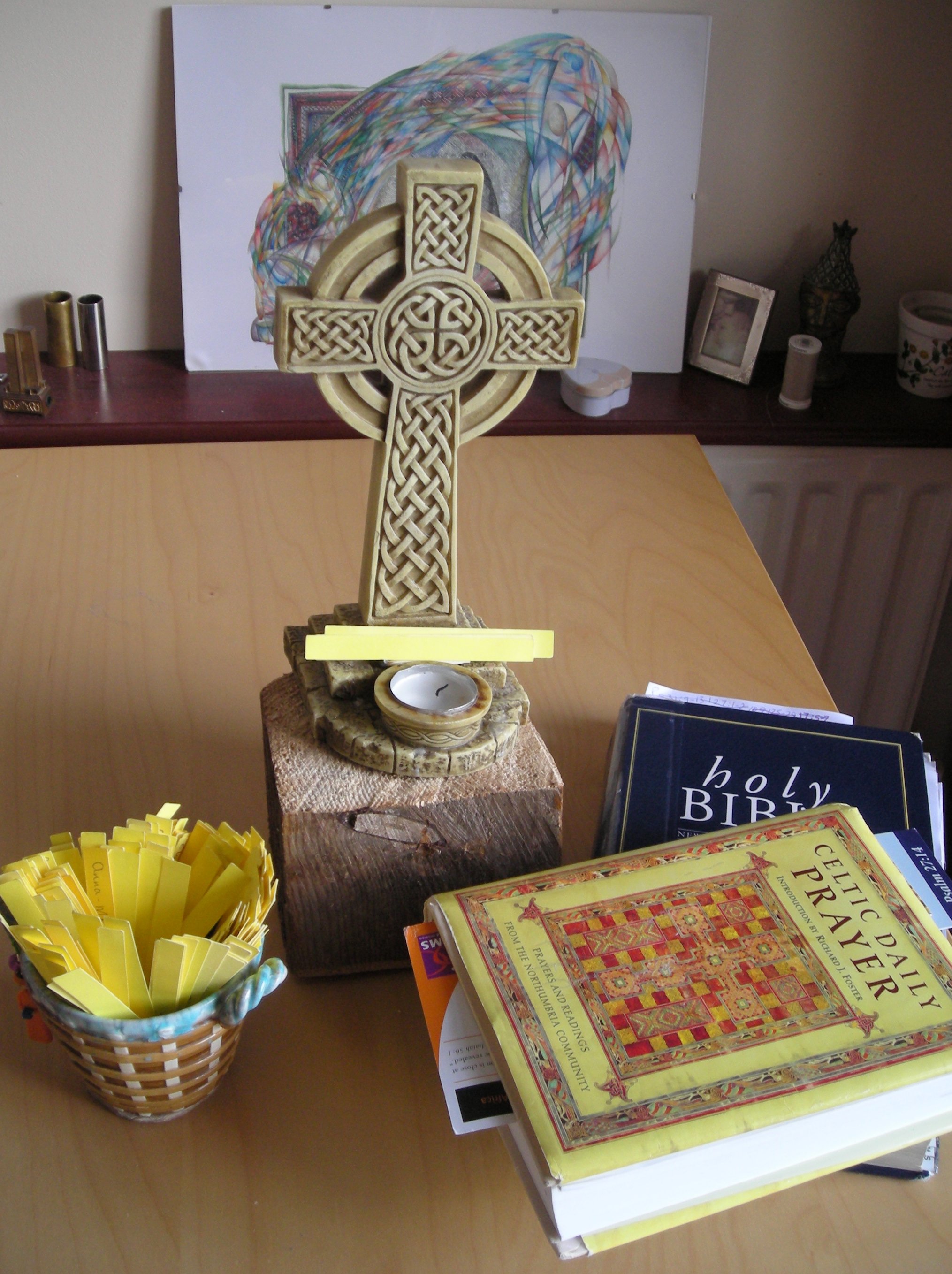
Our aids to our daily prayers (including our Prayer Pot)


They get everywhere these Celtic Christians! (On the window of a narrowboat)


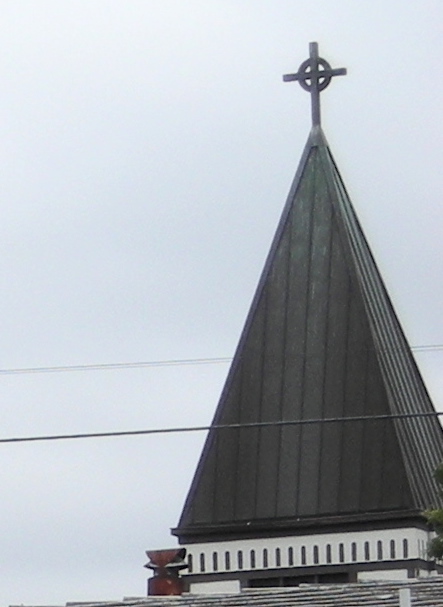
Church spire in the Kenton district of Portland Oregon

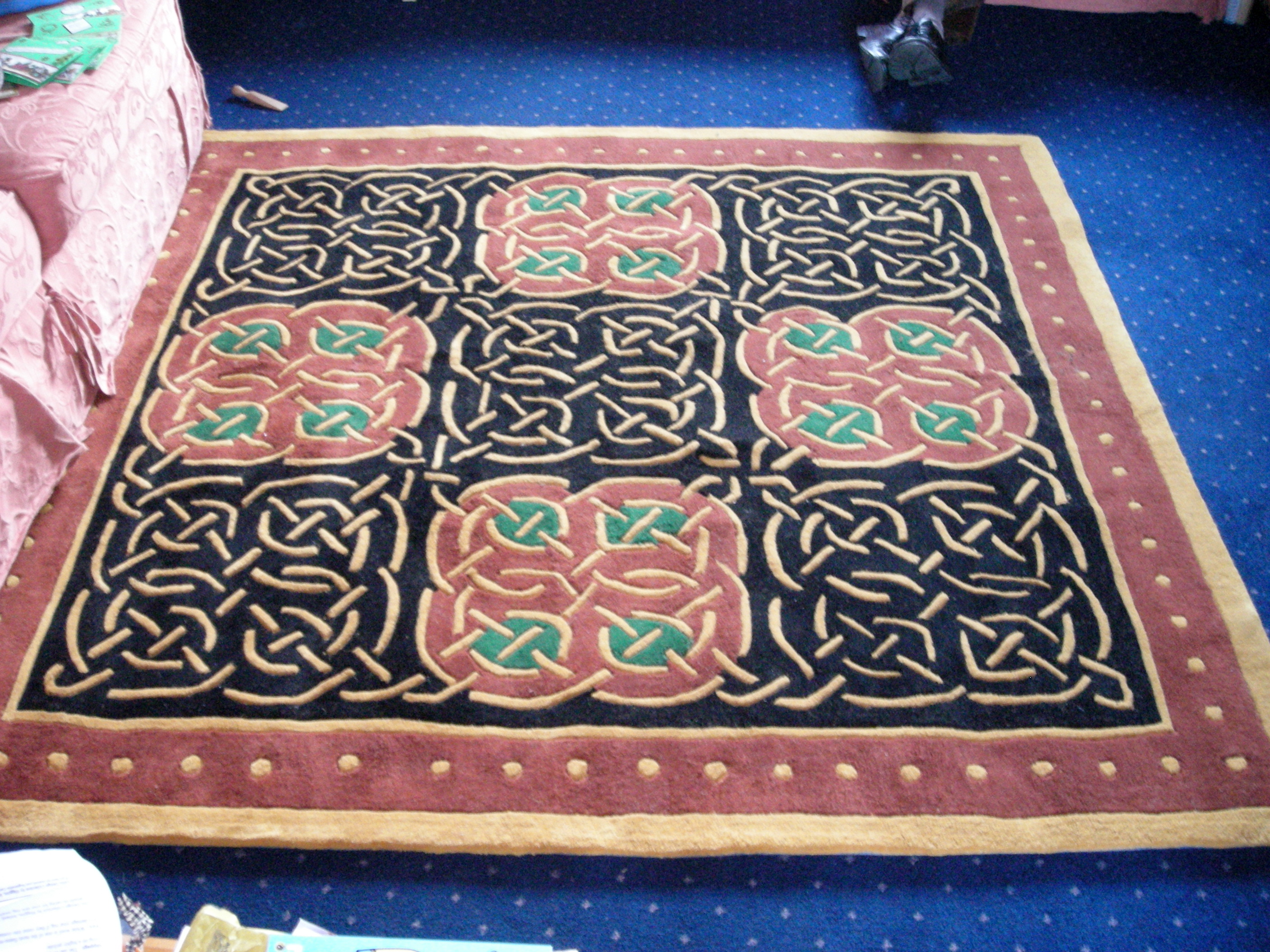
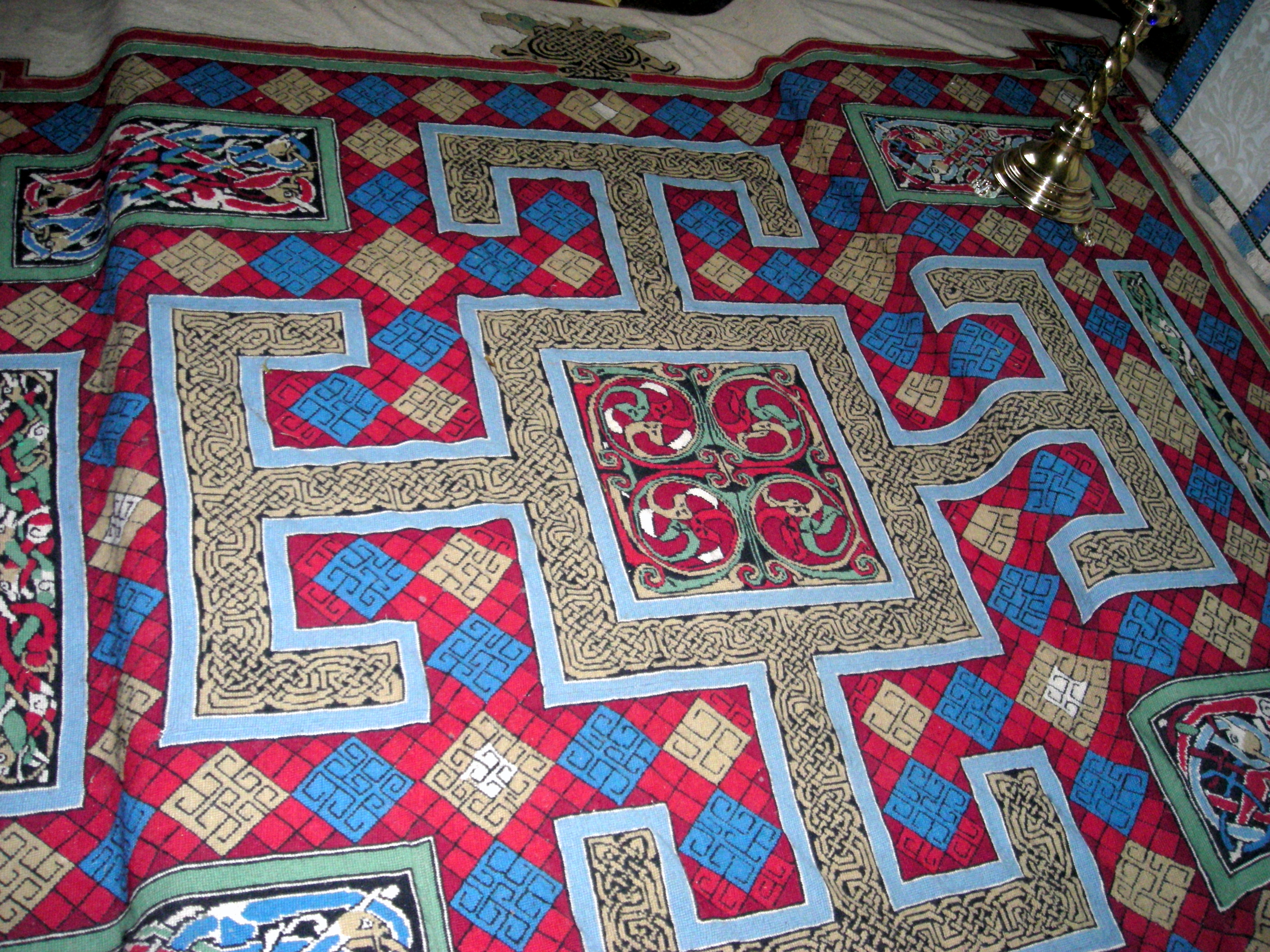
Rug copied from Lindisfarne Gospels (c 698 AD) in St Marys Church, Lindisfarne


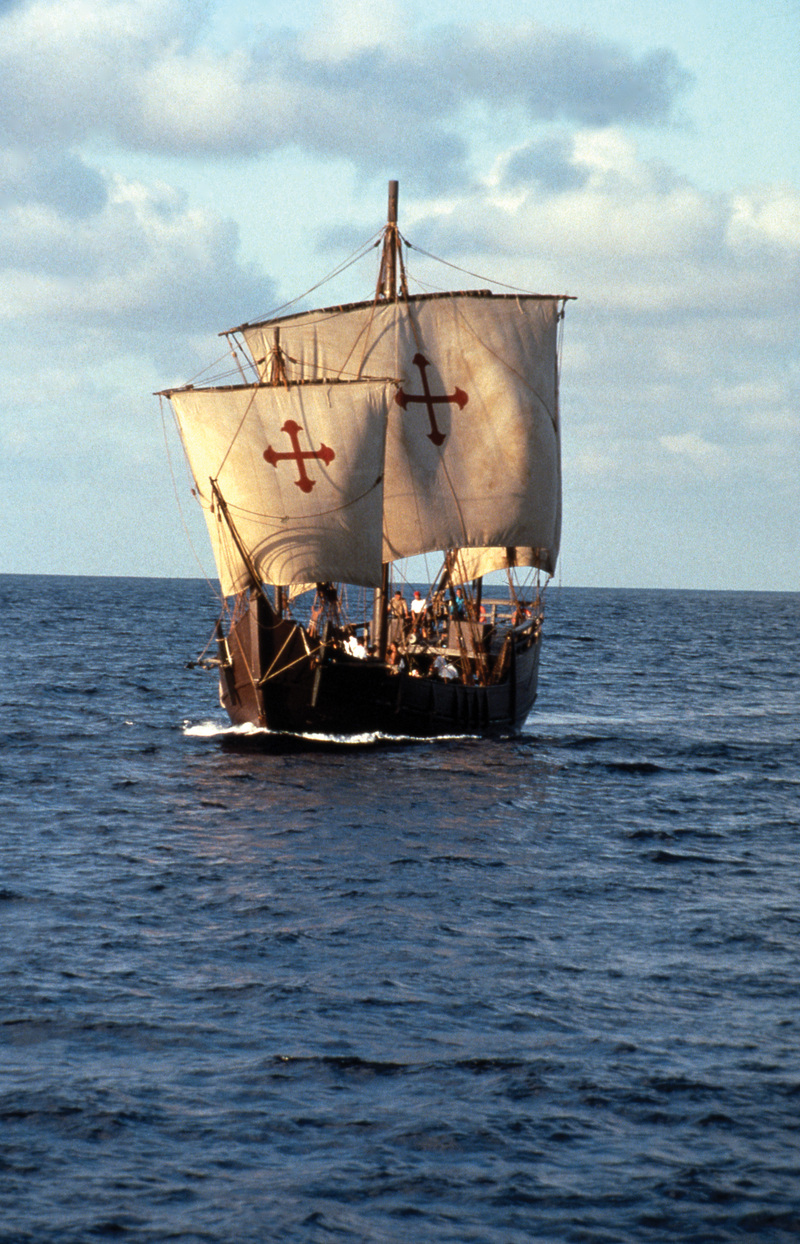
Replica of 'Santa Maria', Columbas's ship

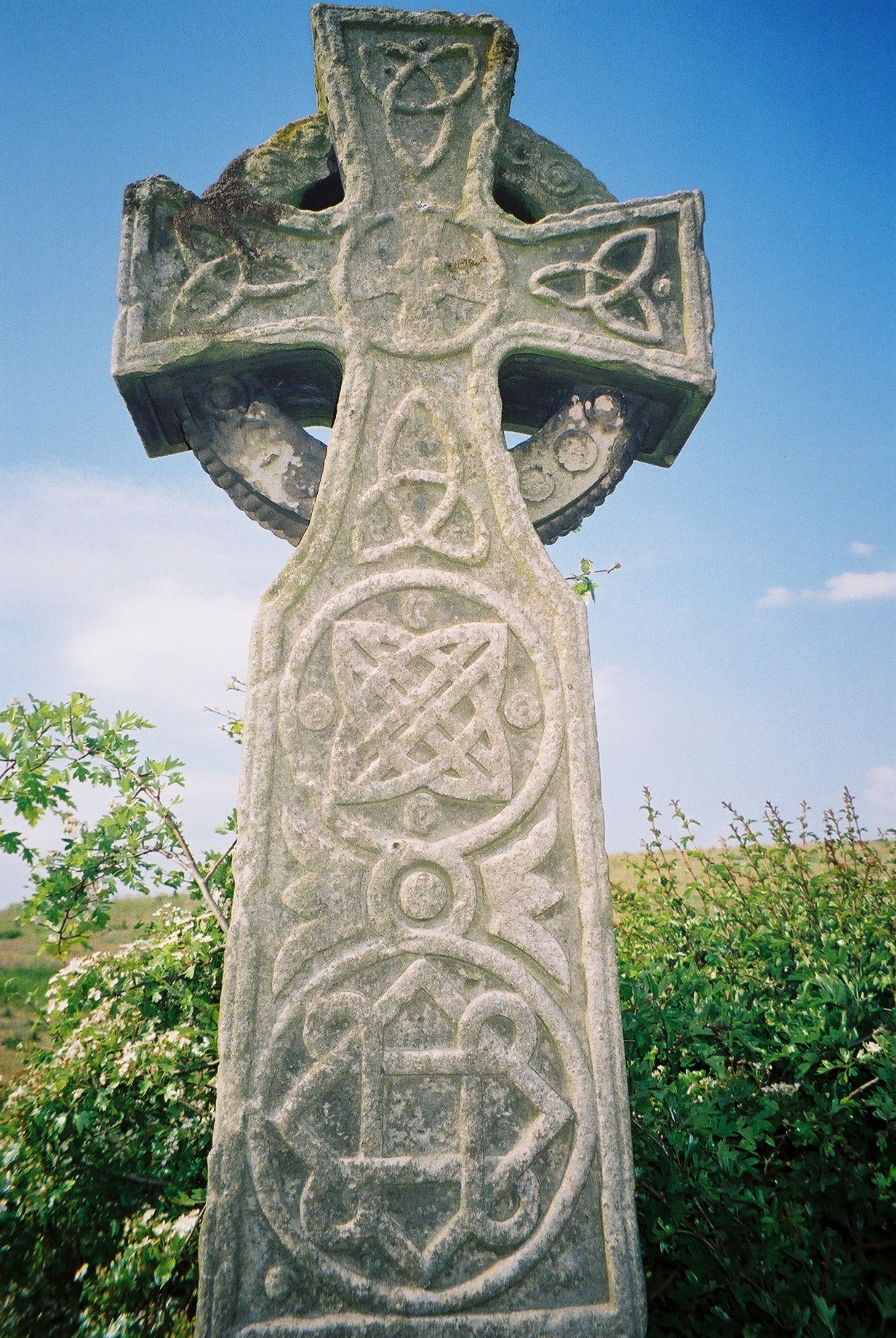
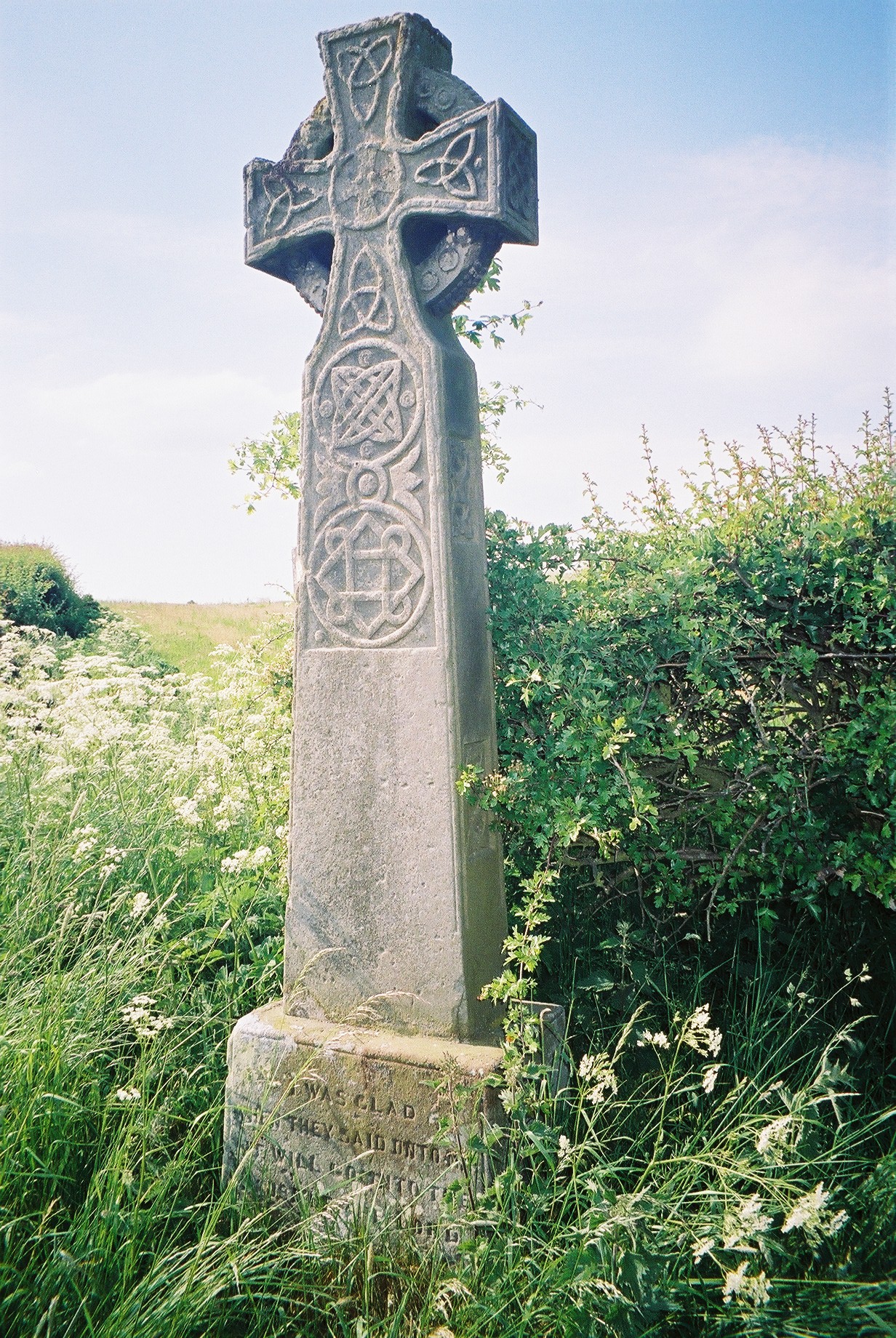
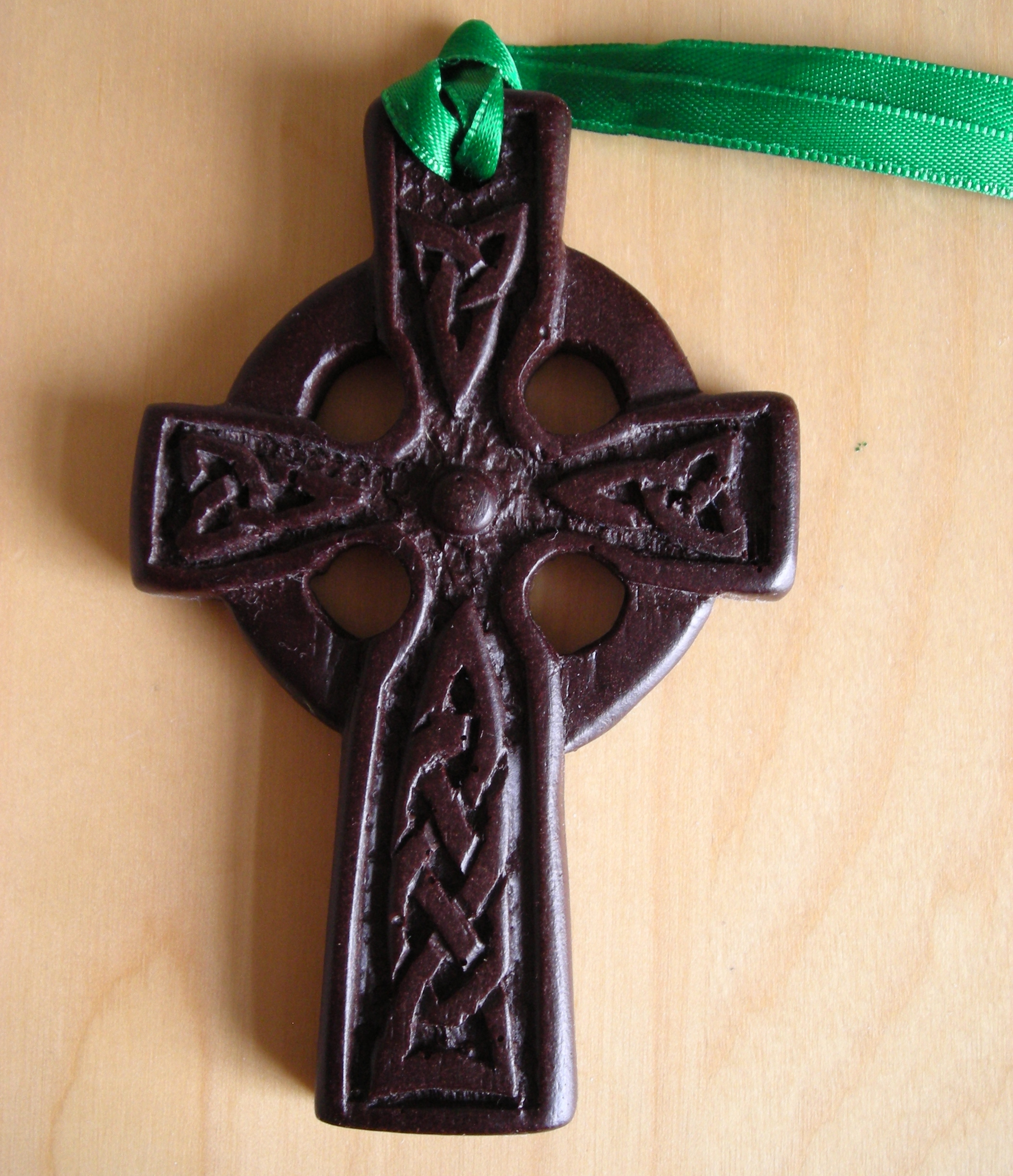
Old Bewick cross detail (Northumberland) With the Celtic symbol for the Trinity on each of its arms.


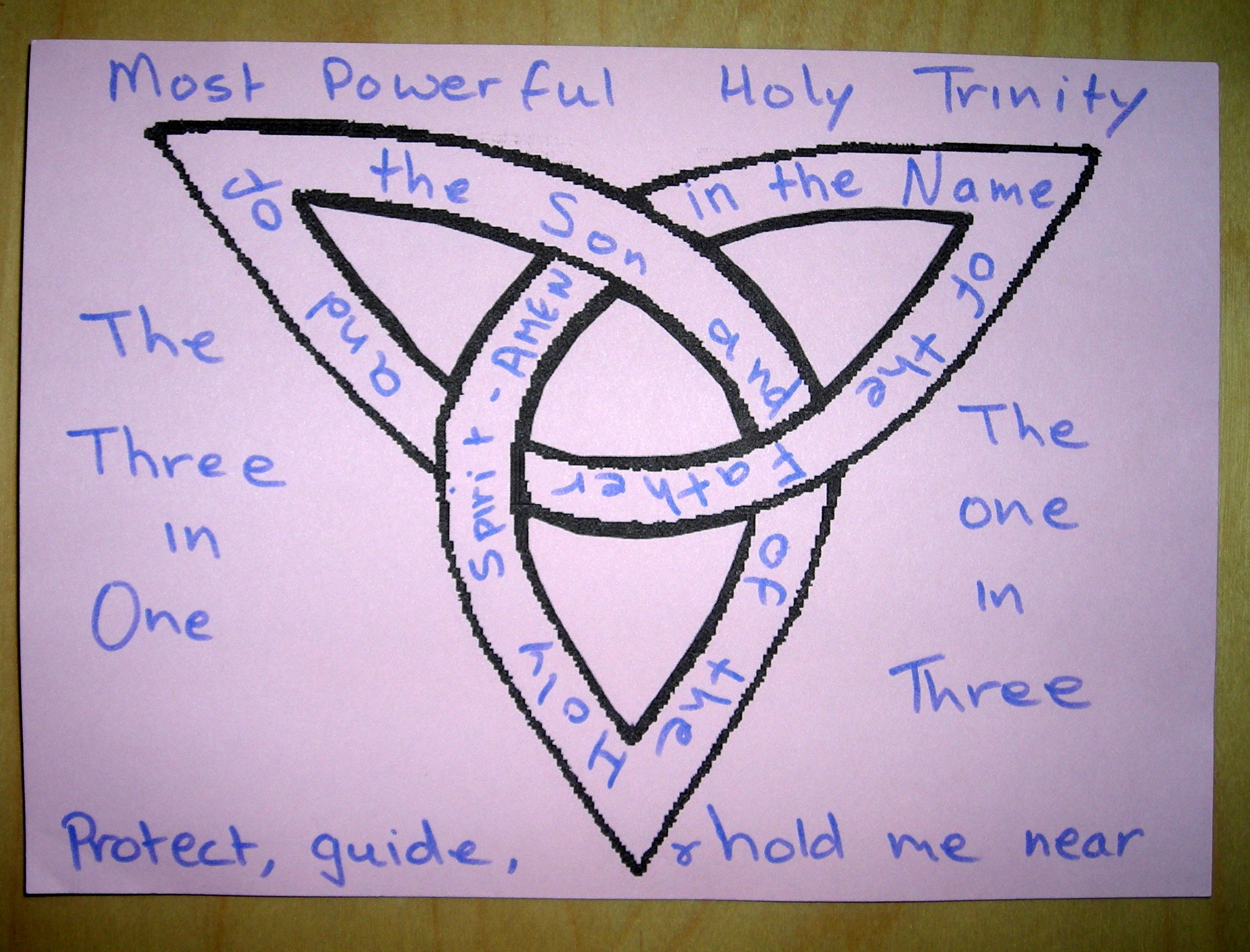
Trinity art prayer

In lane to Old Bewick church, Northumberland


Looking back at Holy Island from St Cuthberts Island, just off the Northumberland coast

Peaceful view on Lindisfarne


Norham, Northumberland

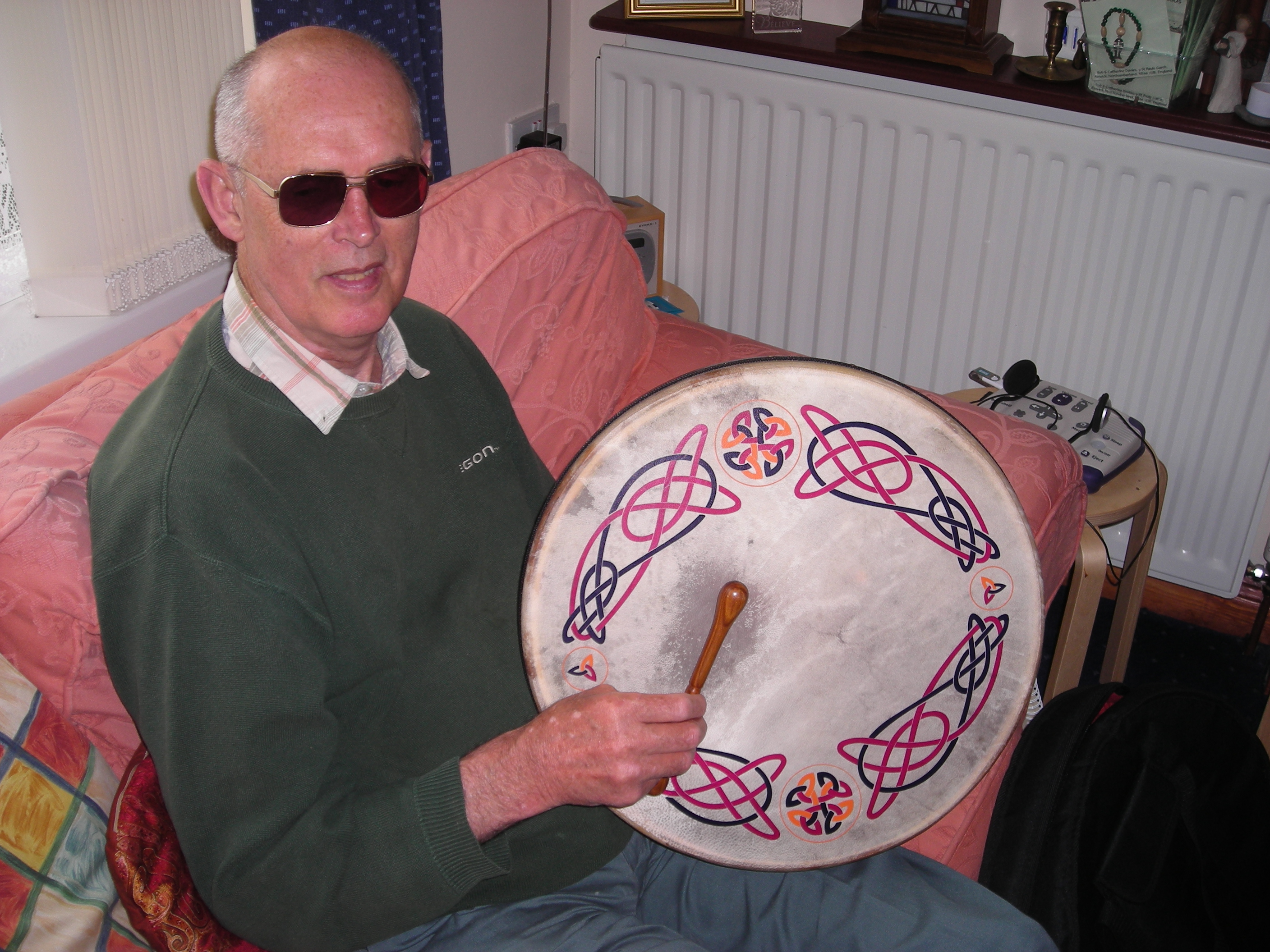
Rob with his celtic bodhran drum


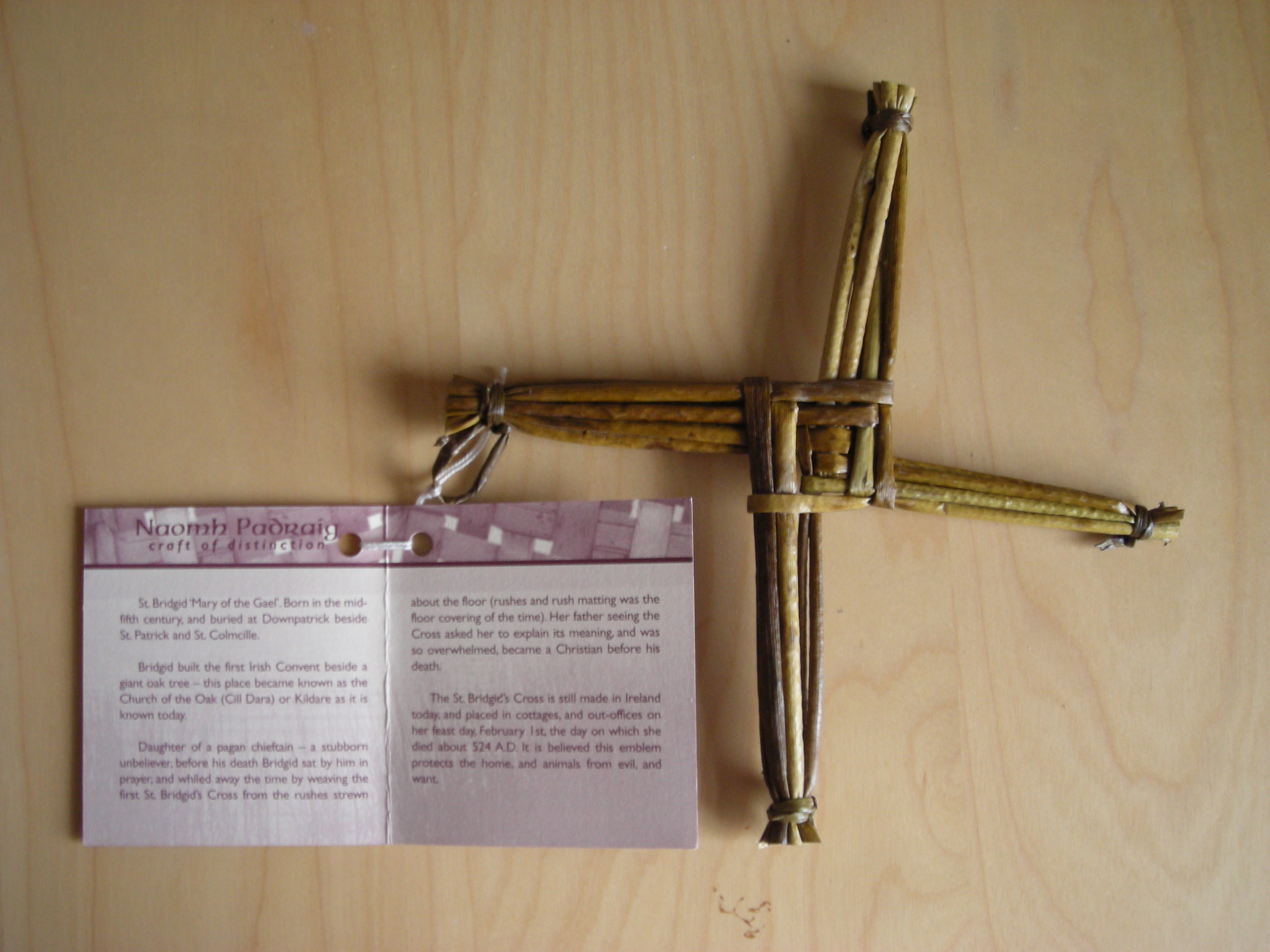
Irish peat cross


Irish Brigit cross


Irish peat cross label


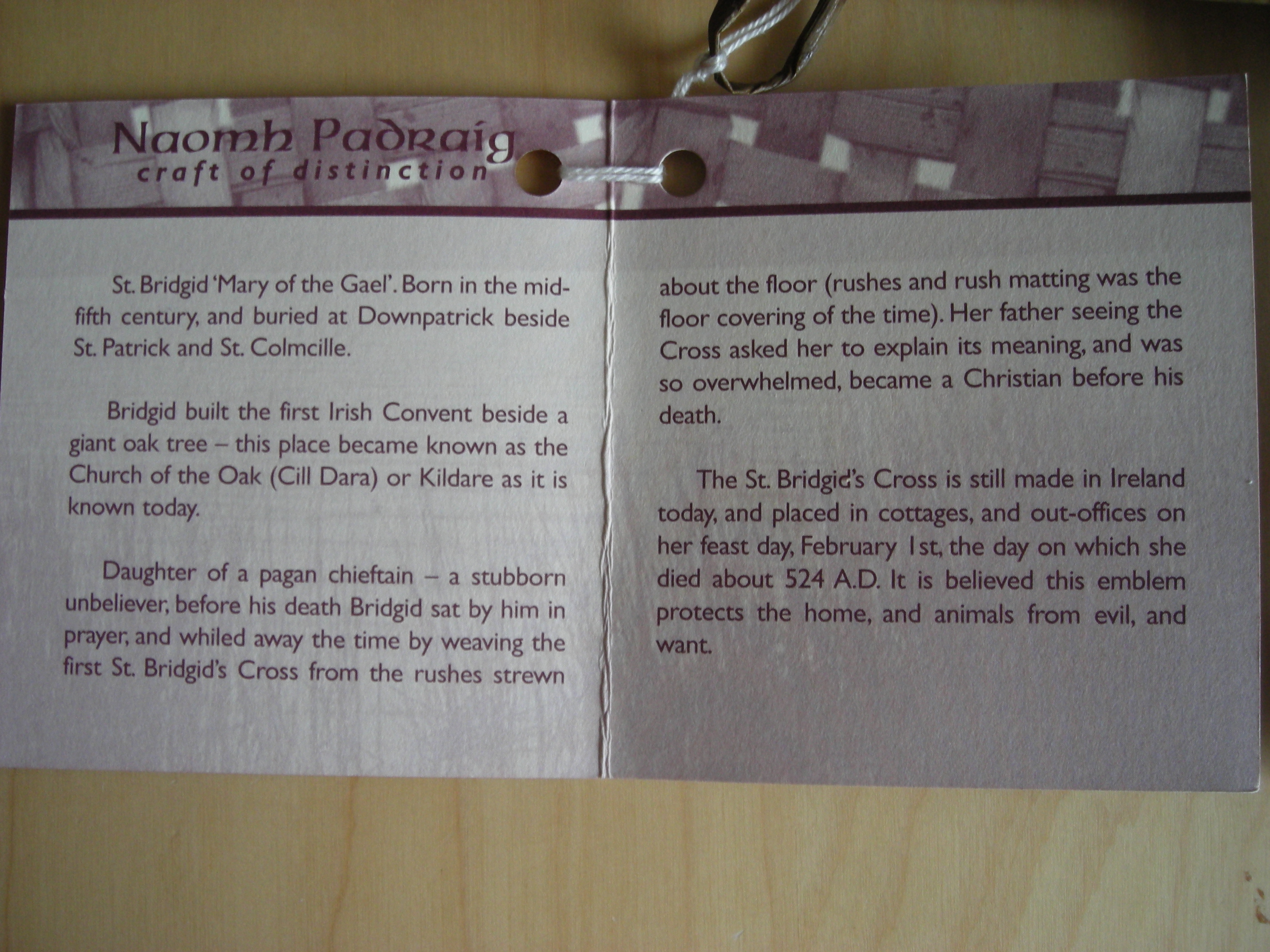
Explanation of Brigit cross


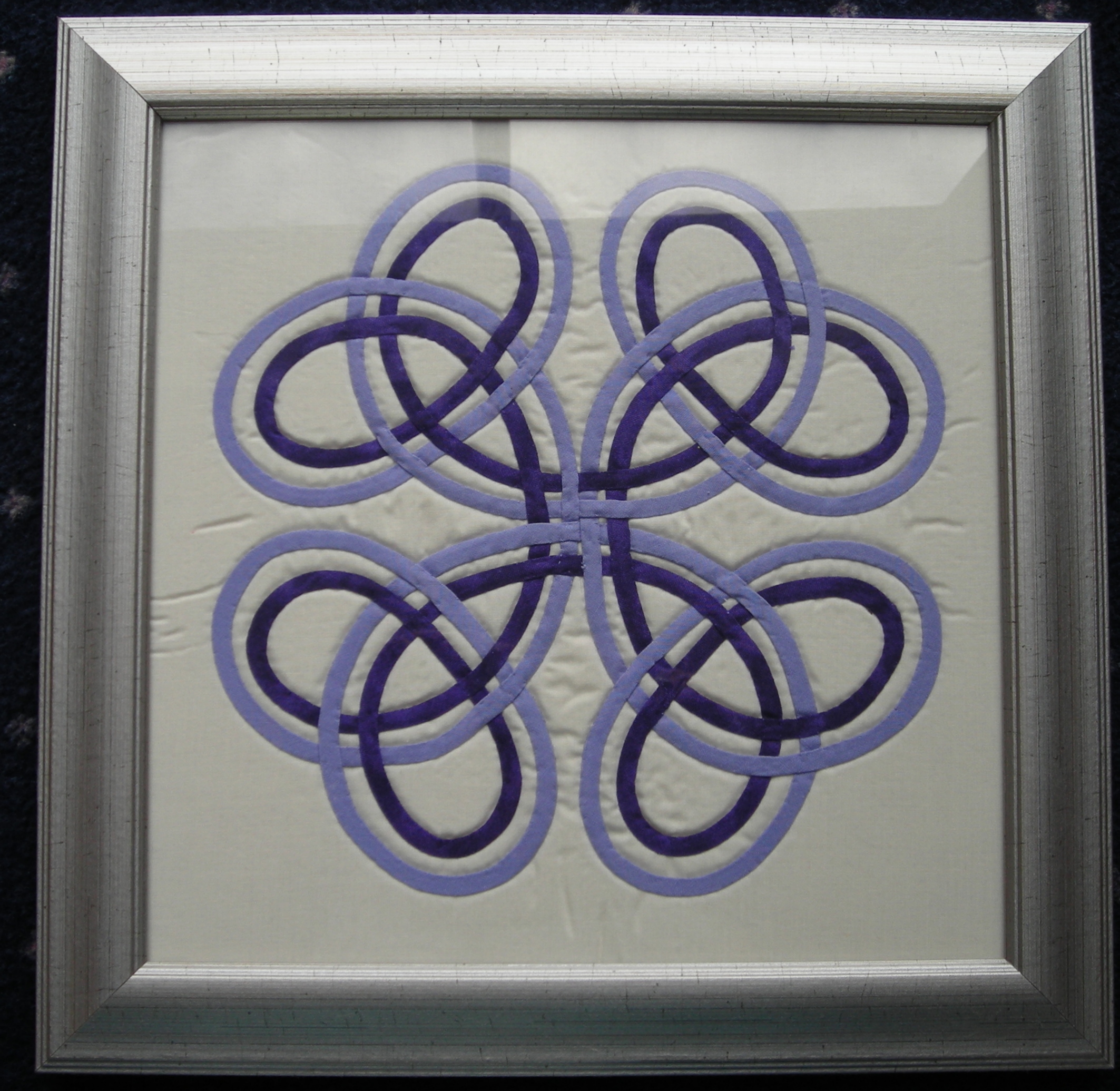
My own stitched Celtic knot artwork


Northumbria Community renew our vows in the Gospel Garden. Holy Island of Lindisfarne. Easter Day '09


The Lady's Well, Holystone, Northumberland (2)


Our new (Irish) Celtic rug


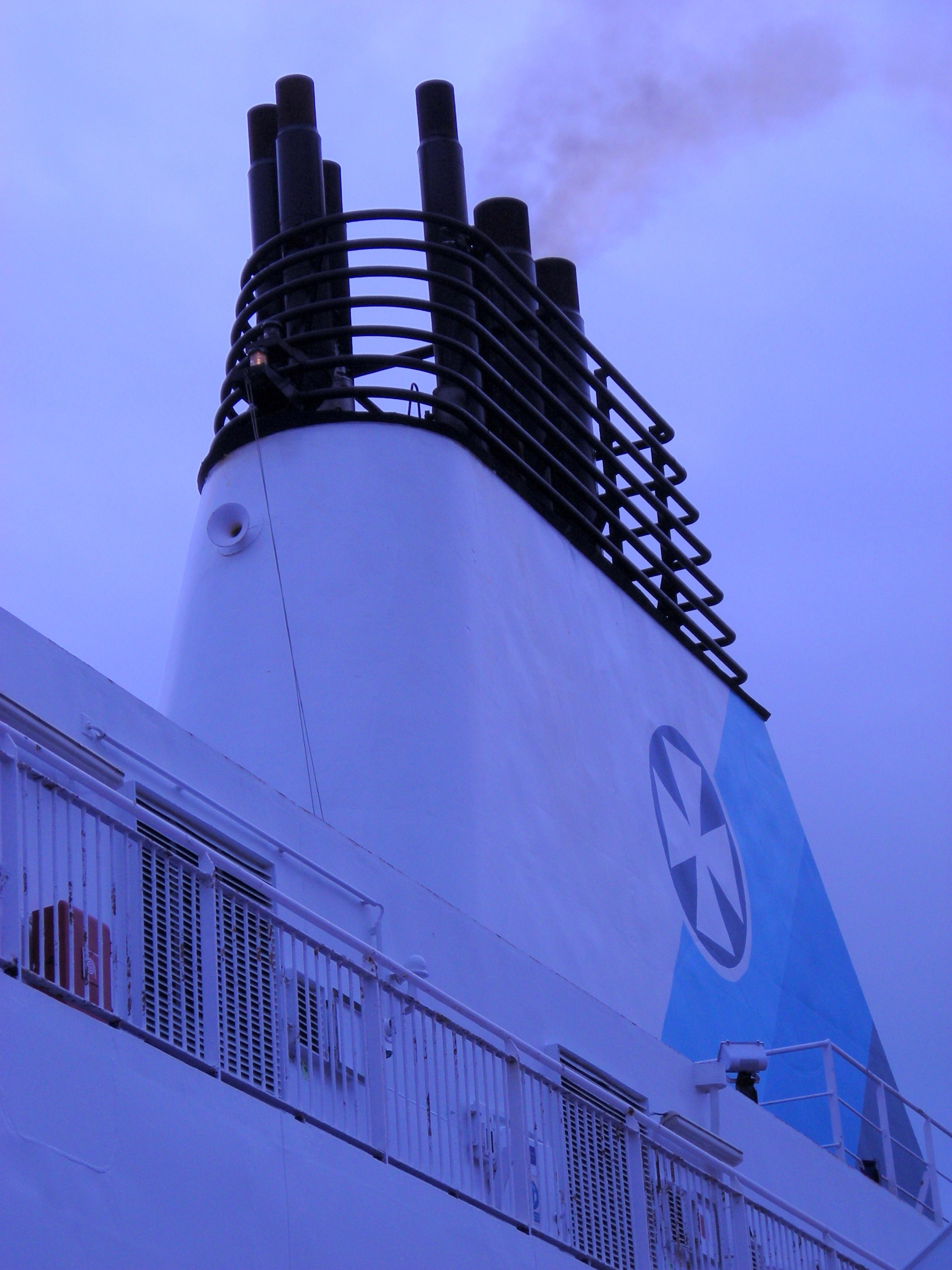
Even DFDS Seaways use the cross as a logo!


Holy Island Priory cross used in one of my Christmas cards


Haltwhistle, Northumberland


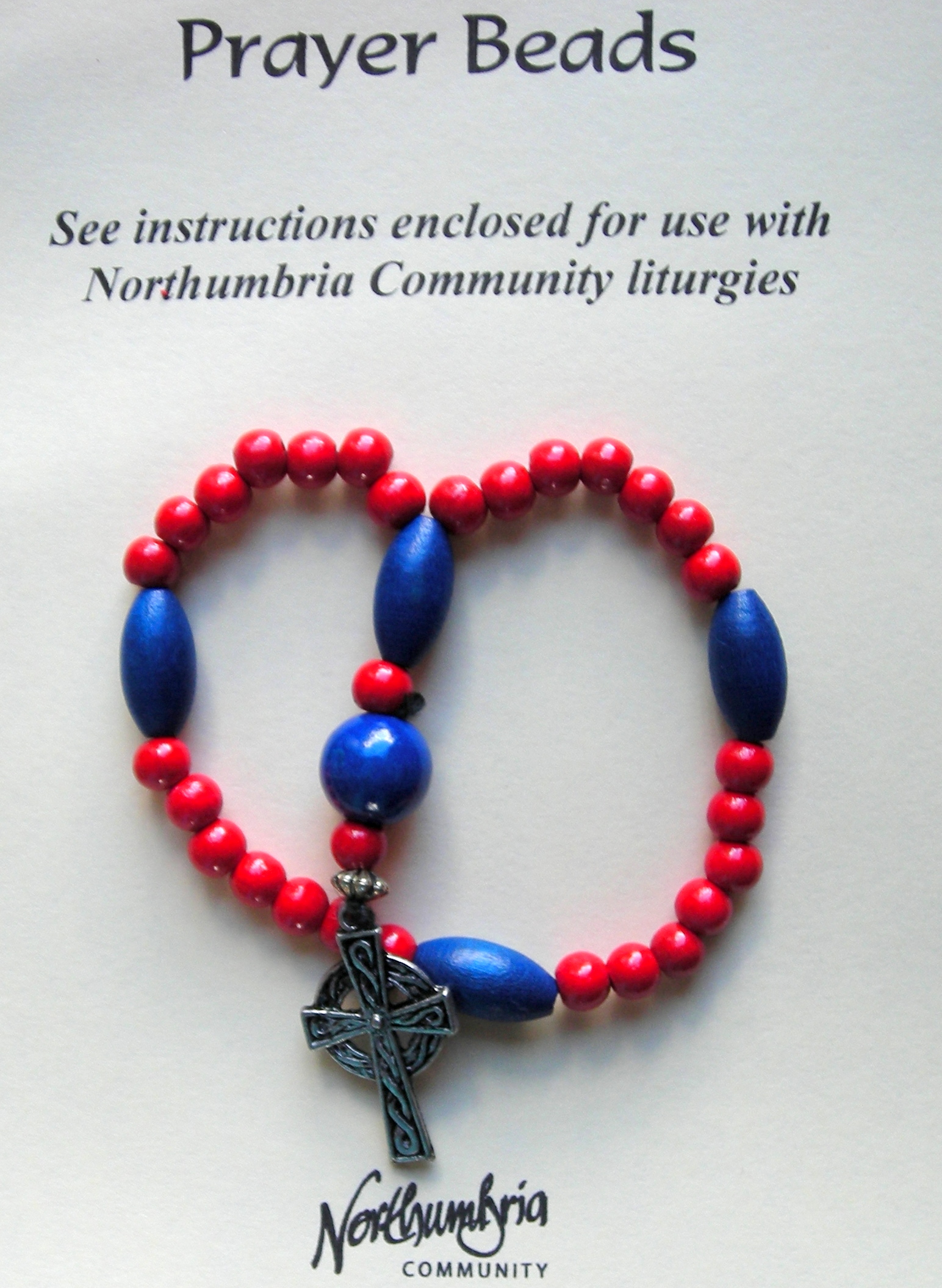
Celtic Prayer beads from the Northumbria Community made by Rob

Grave in Rothbury 'All Saints' churchyard, Northumberland (1)

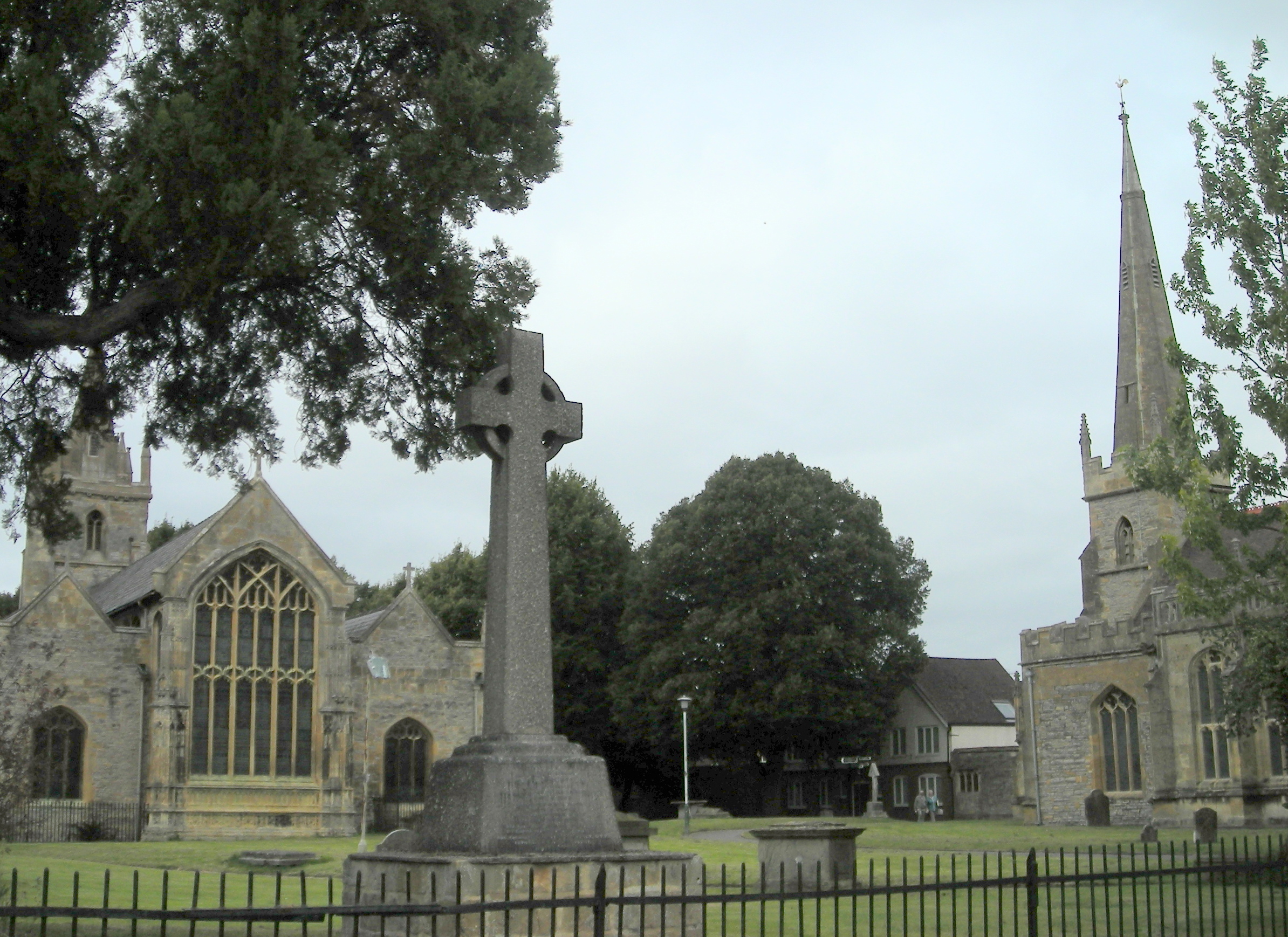
Evesham, Worcestershire

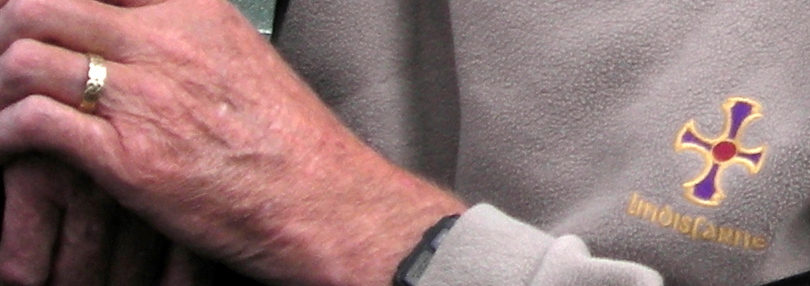
Even our wedding rings & Rob's fleece top carry 'celtic' designs, this is a 'Cuthbert's' Cross

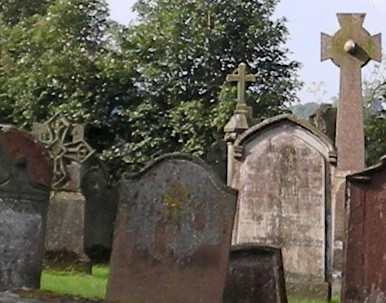
Crosses in 'Old Church' churchyard, Brampton, Cumbria

Cross on 'Old Church' Brampton, Cumbria


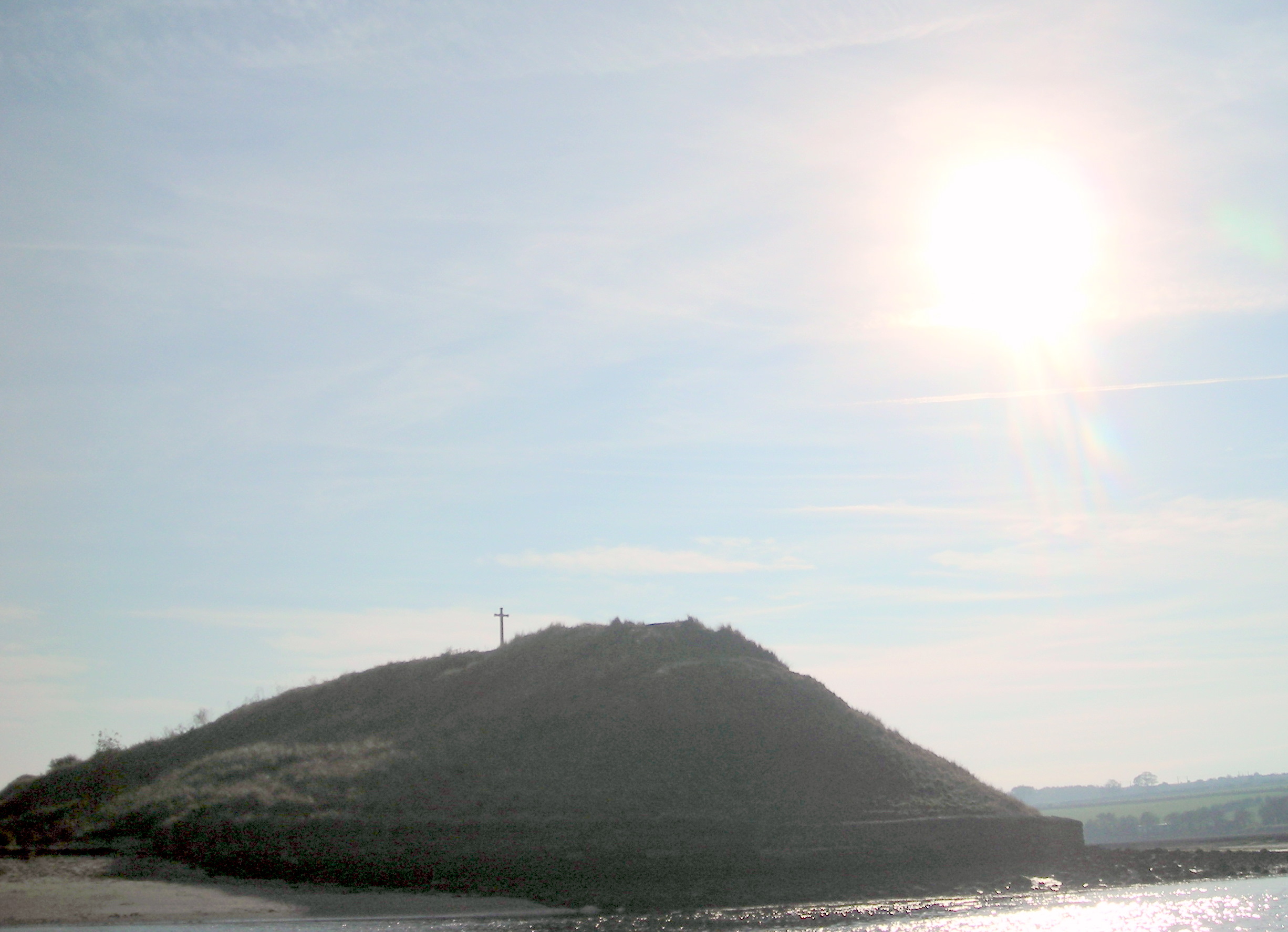
Church Hill. on the estuary of the River Aln at Alnmouth, Northumberland

Cross in St. John Lee churchyard, near Heavenfield.

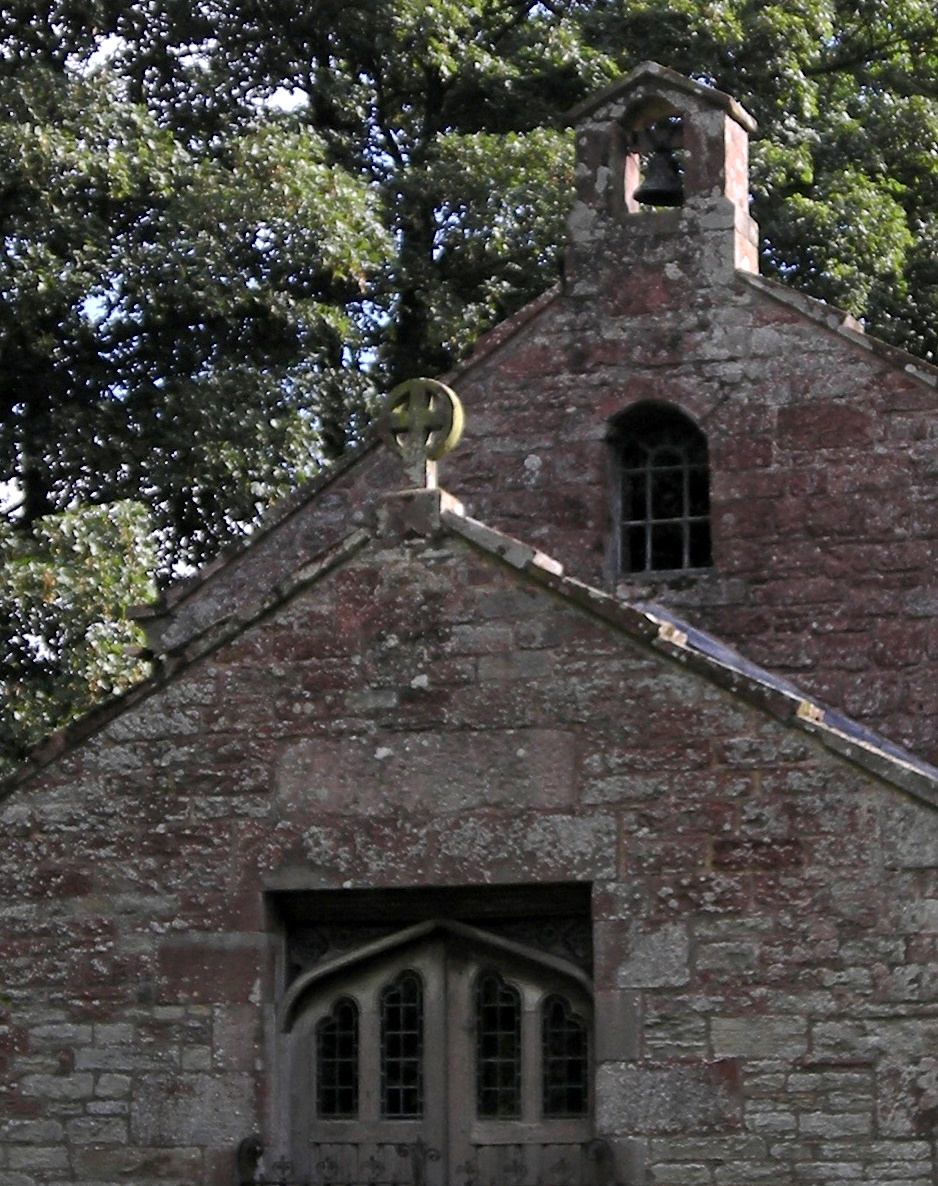
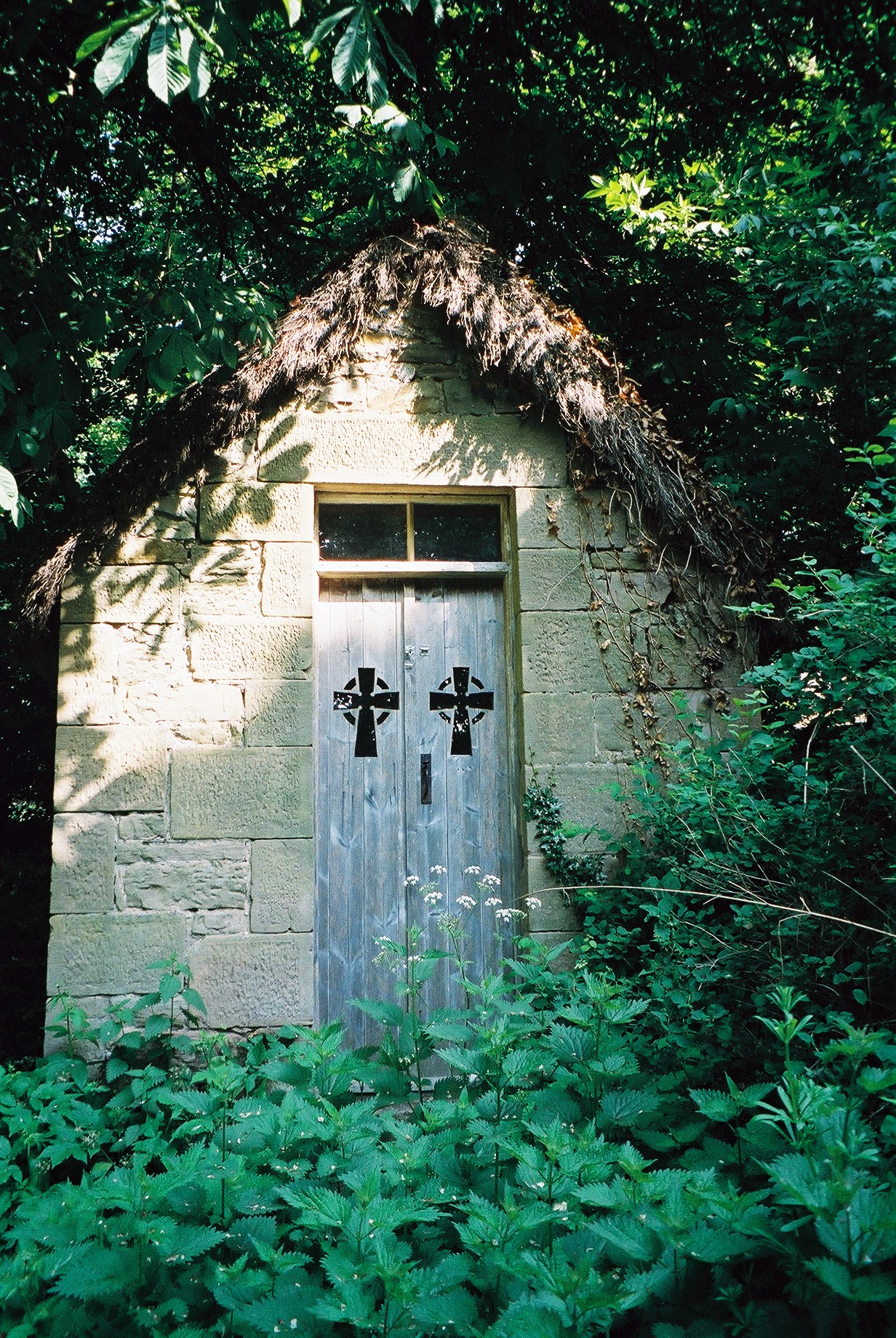
Chapel of the Incarnation, Hetton Hall

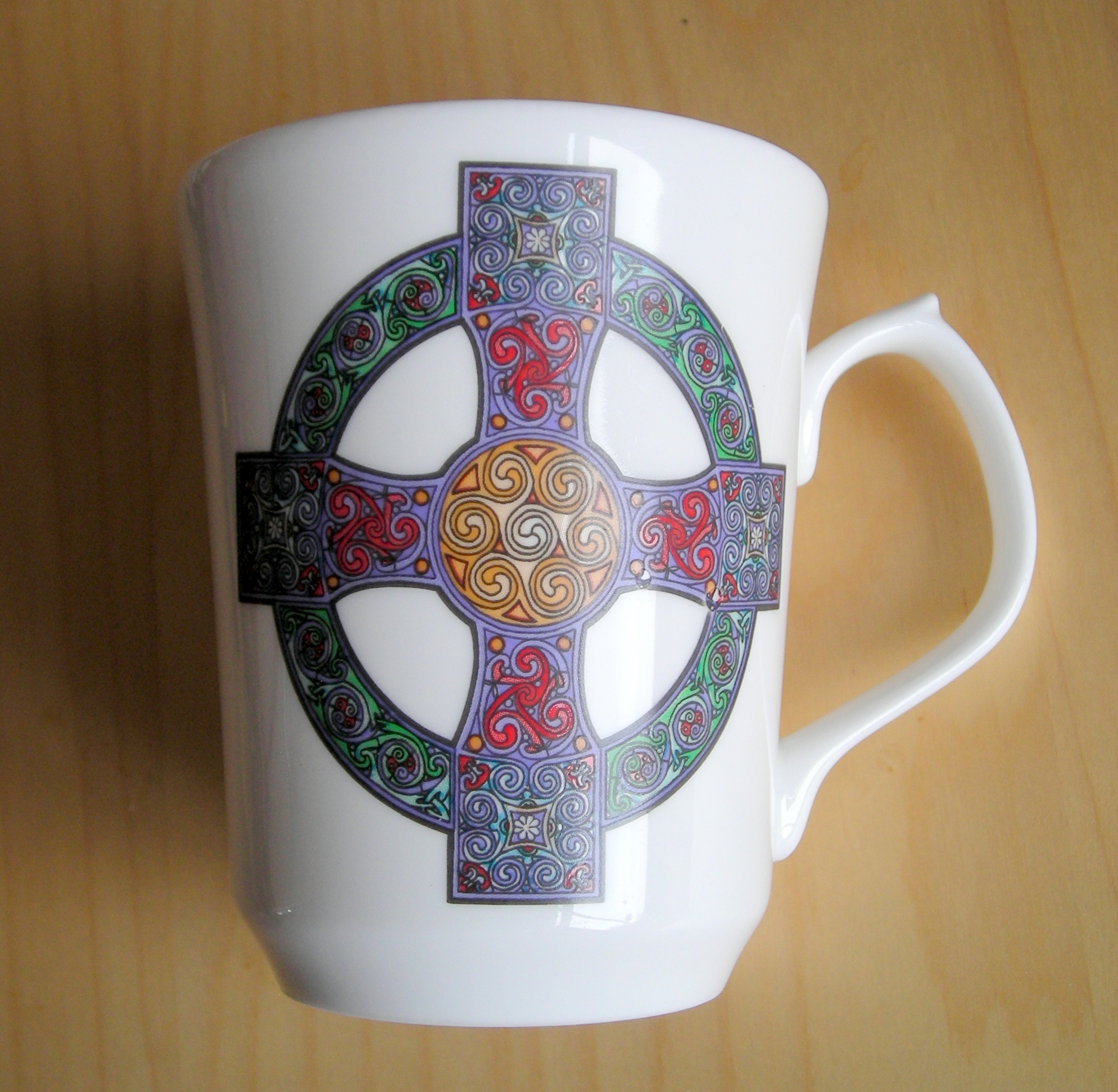
Celtic Cross mug

Celtic Cross in Rothbury 'All Saints' churchyard, Northumberland

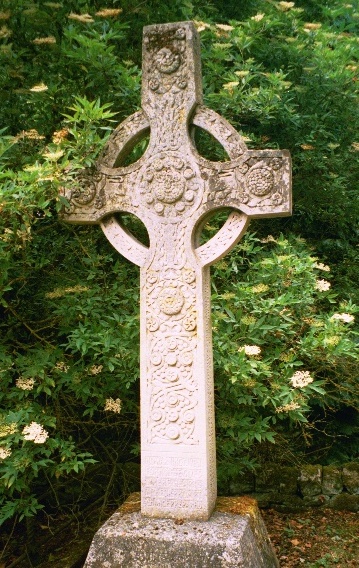
Celtic Cross in Corbridge, Cemetery, Northumberland

Emboidered cross on part of wedding gift

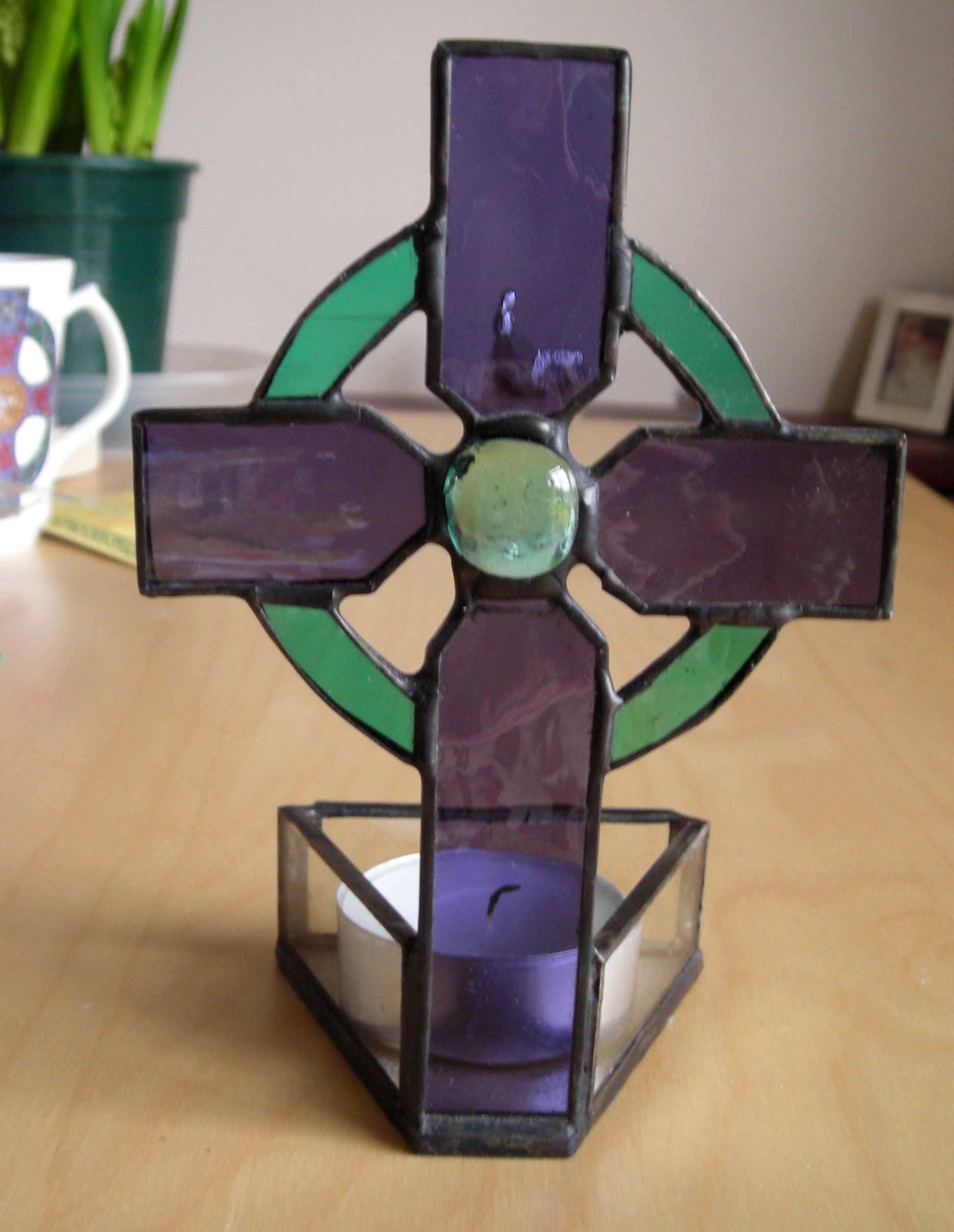
candle holder

Bridge over the River Aln, below Alnwick Castle, Northumberland

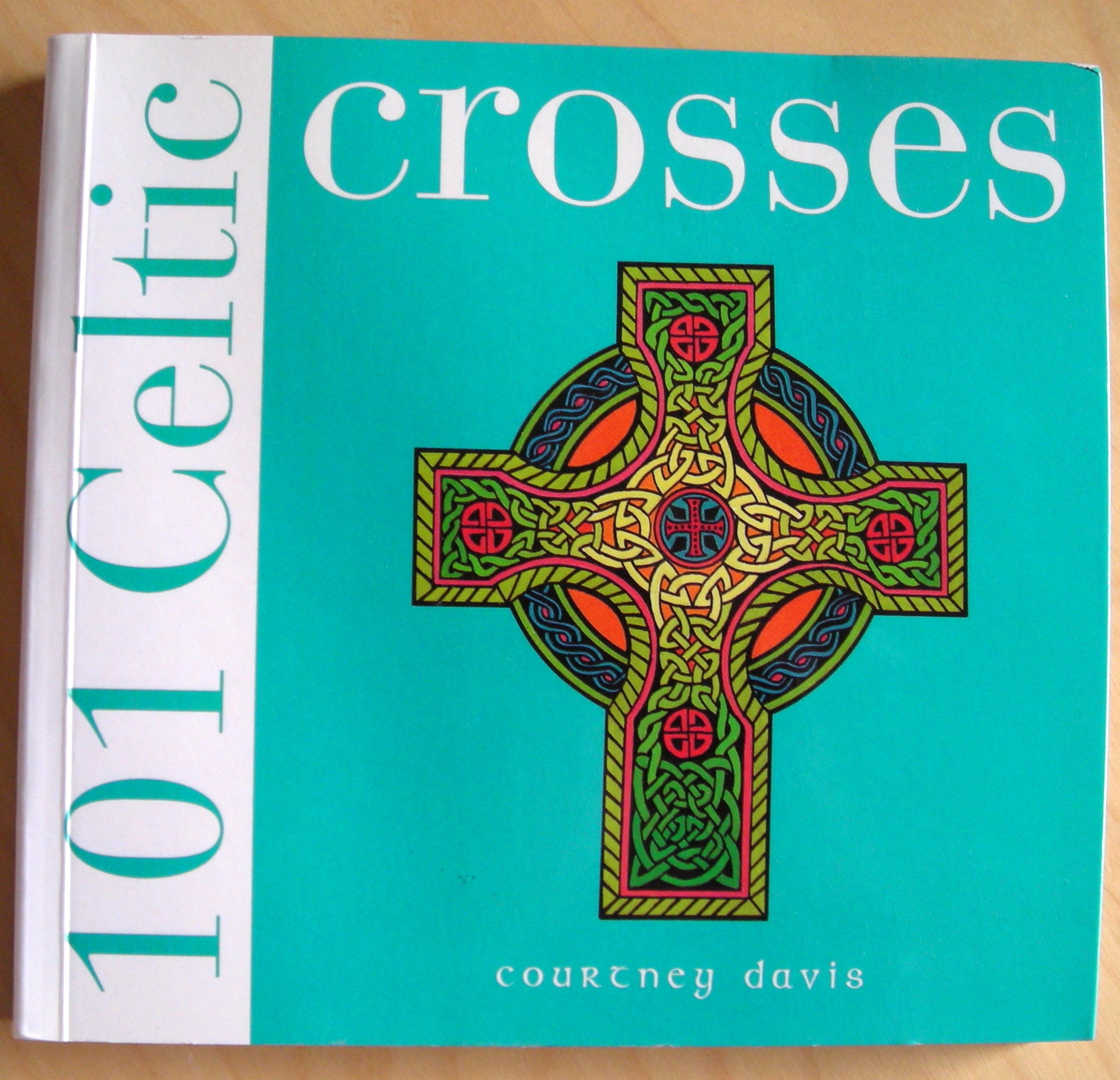
Book of many crosses for design work


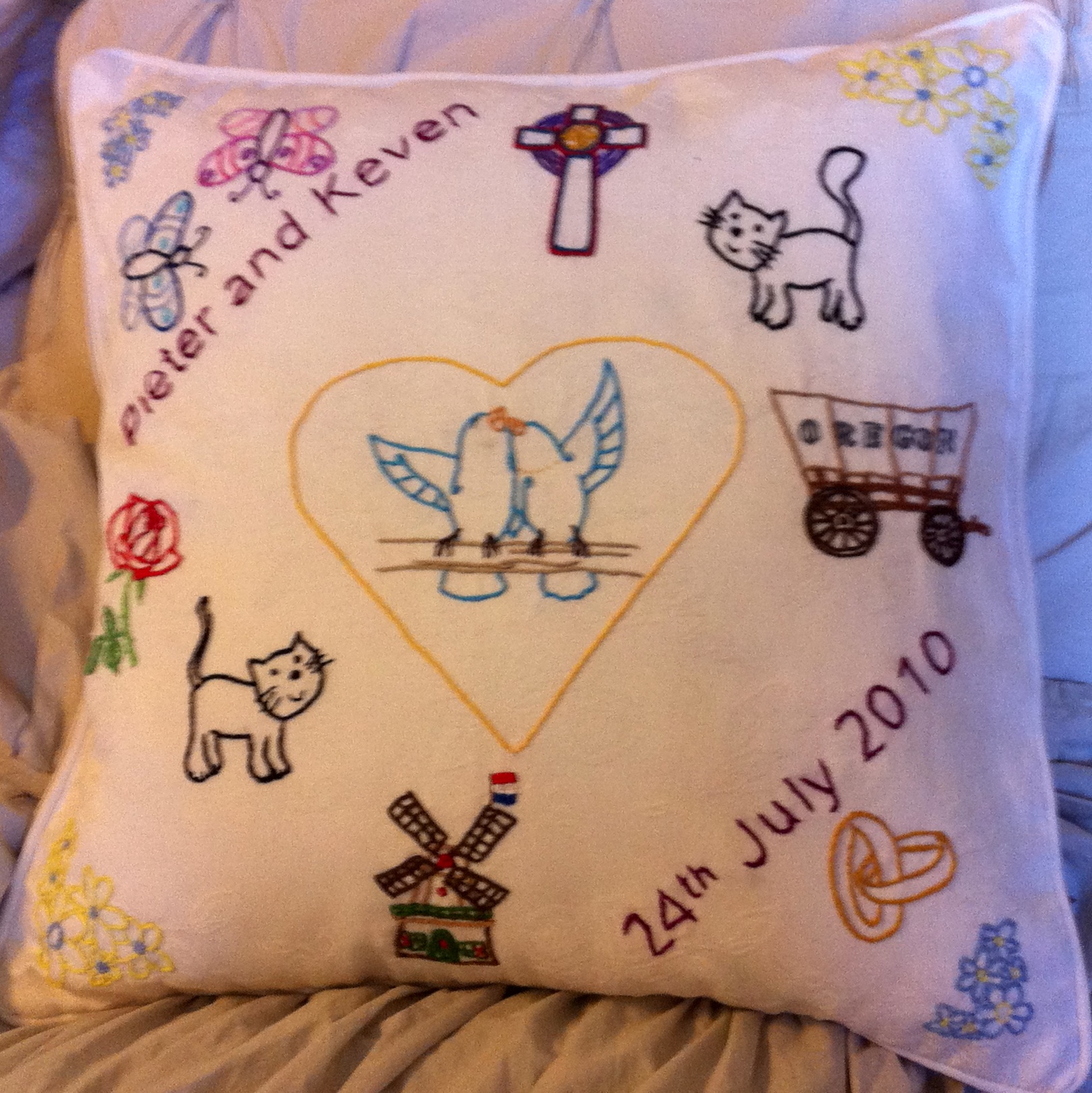
'Celtic Cross' cushions designed and made by me.

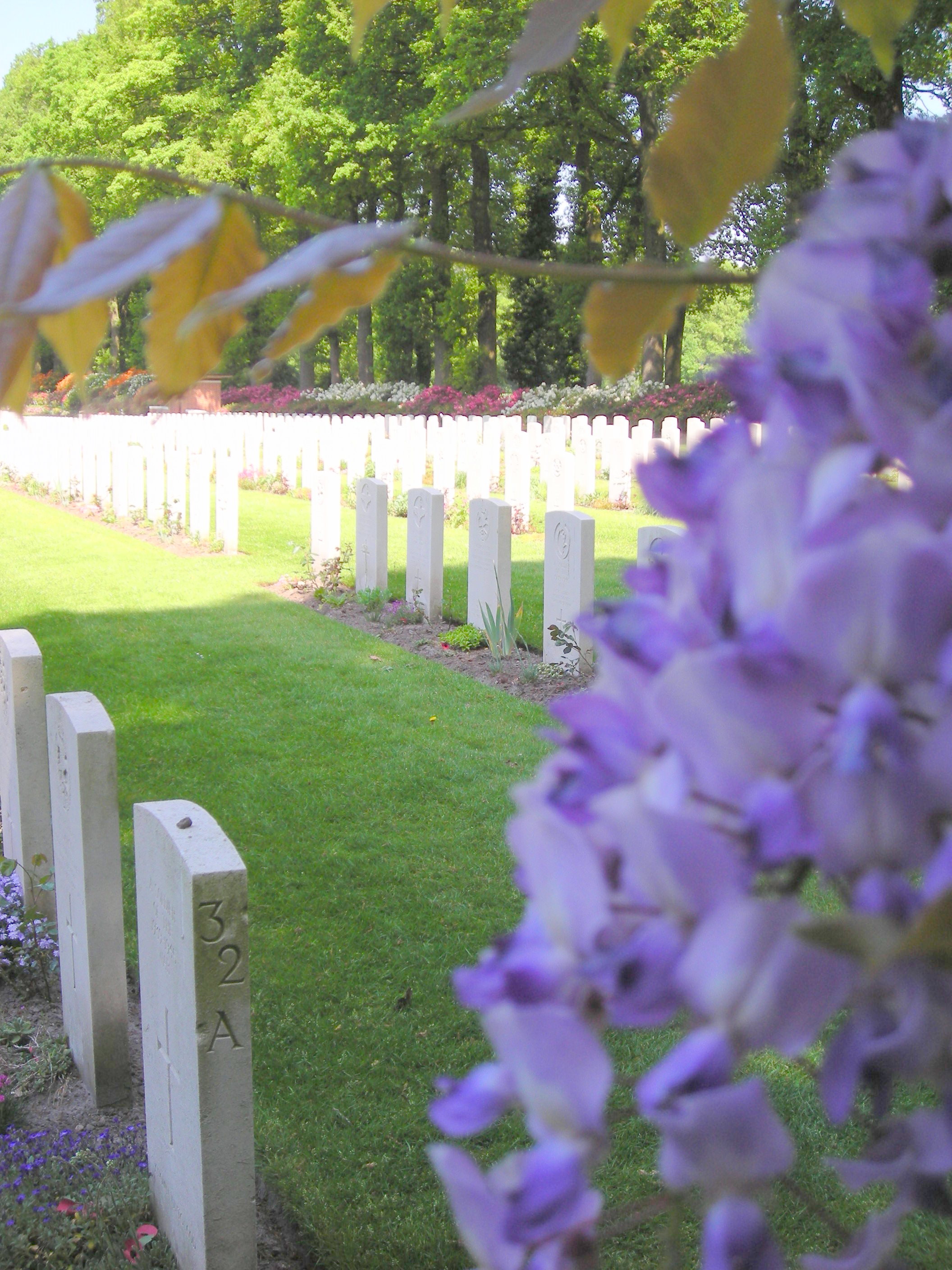
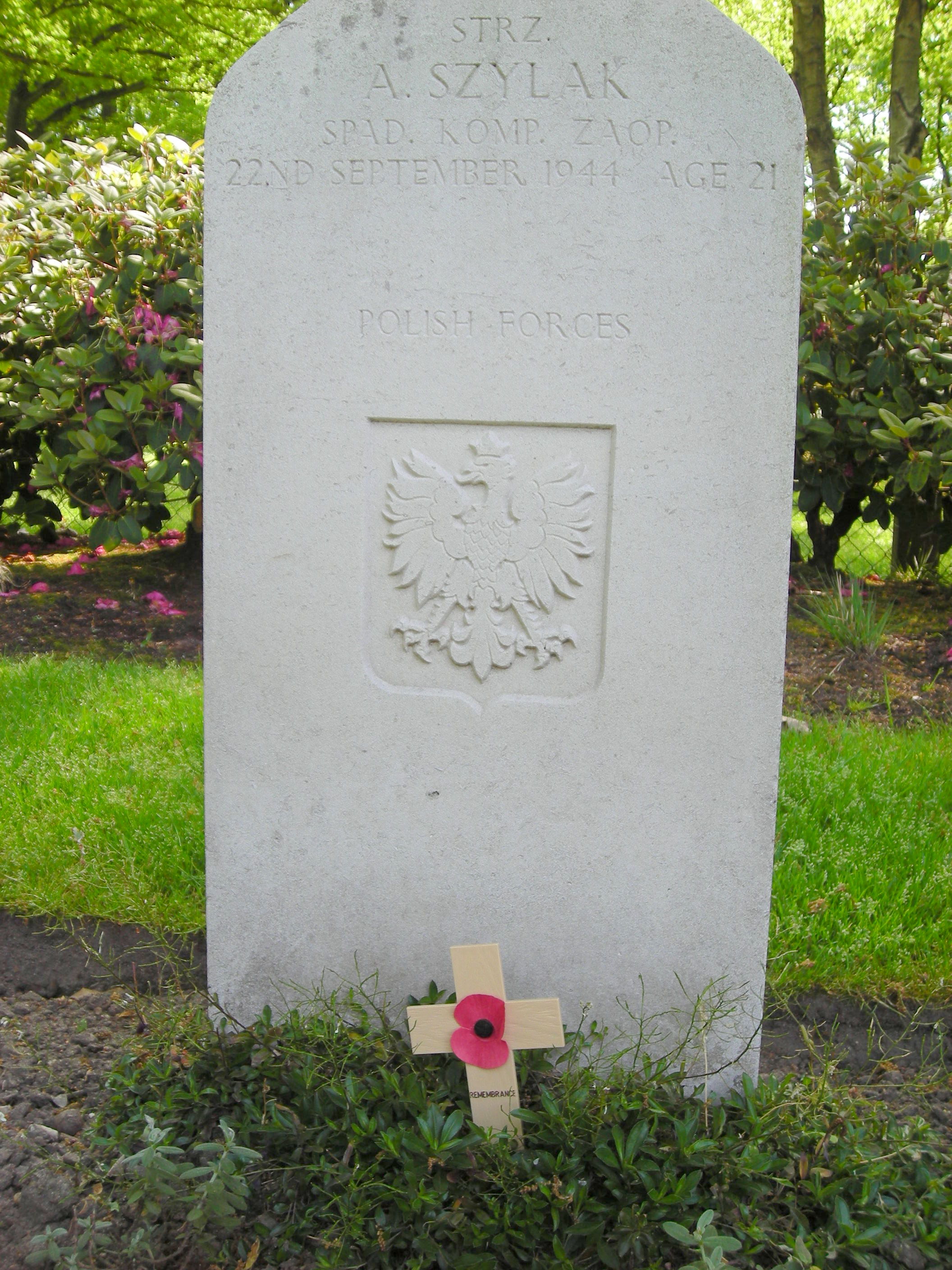
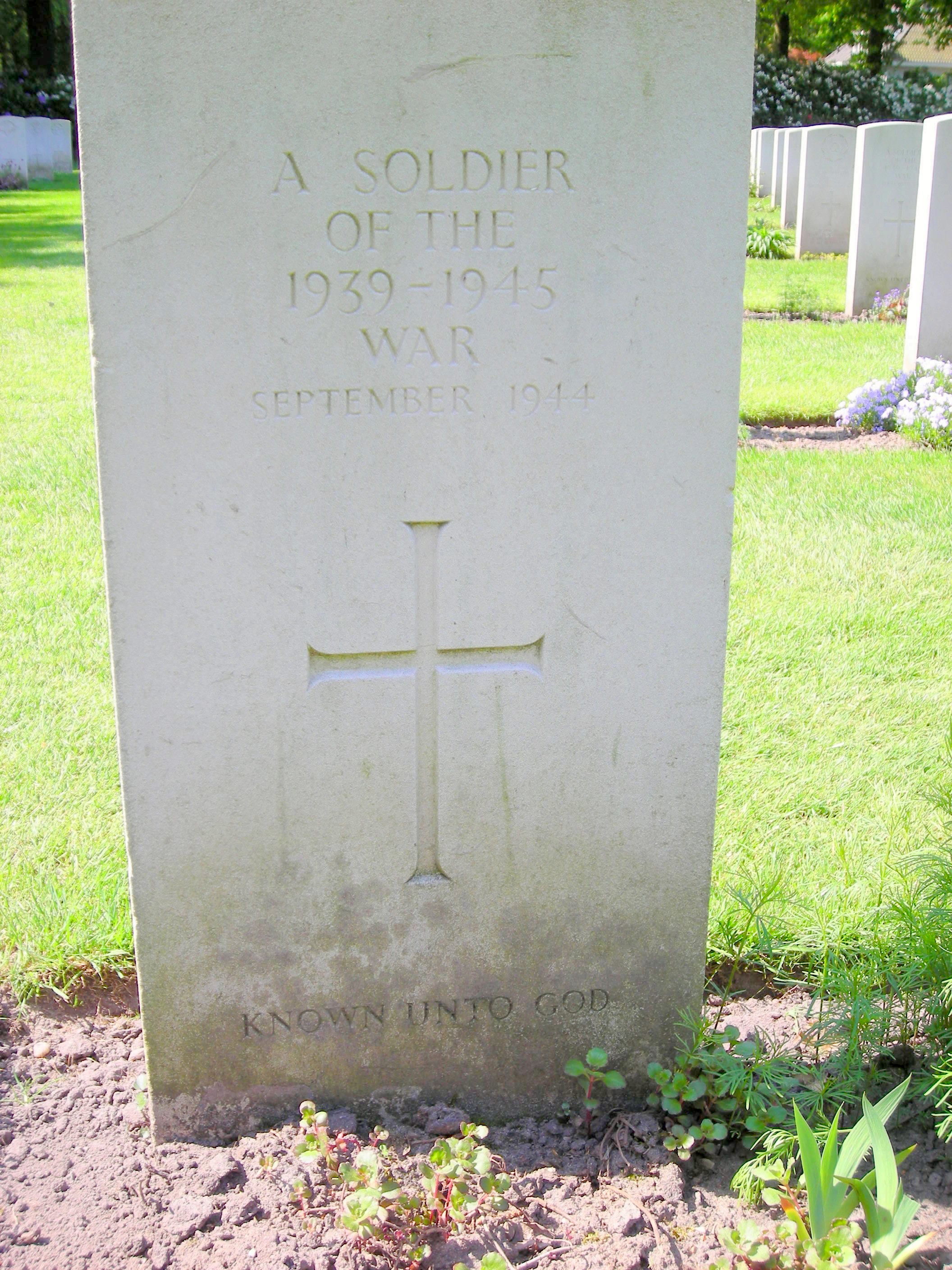
Arnhem Oosterbeek war graves (2)


Arnhem Oosterbeek war graves (3)

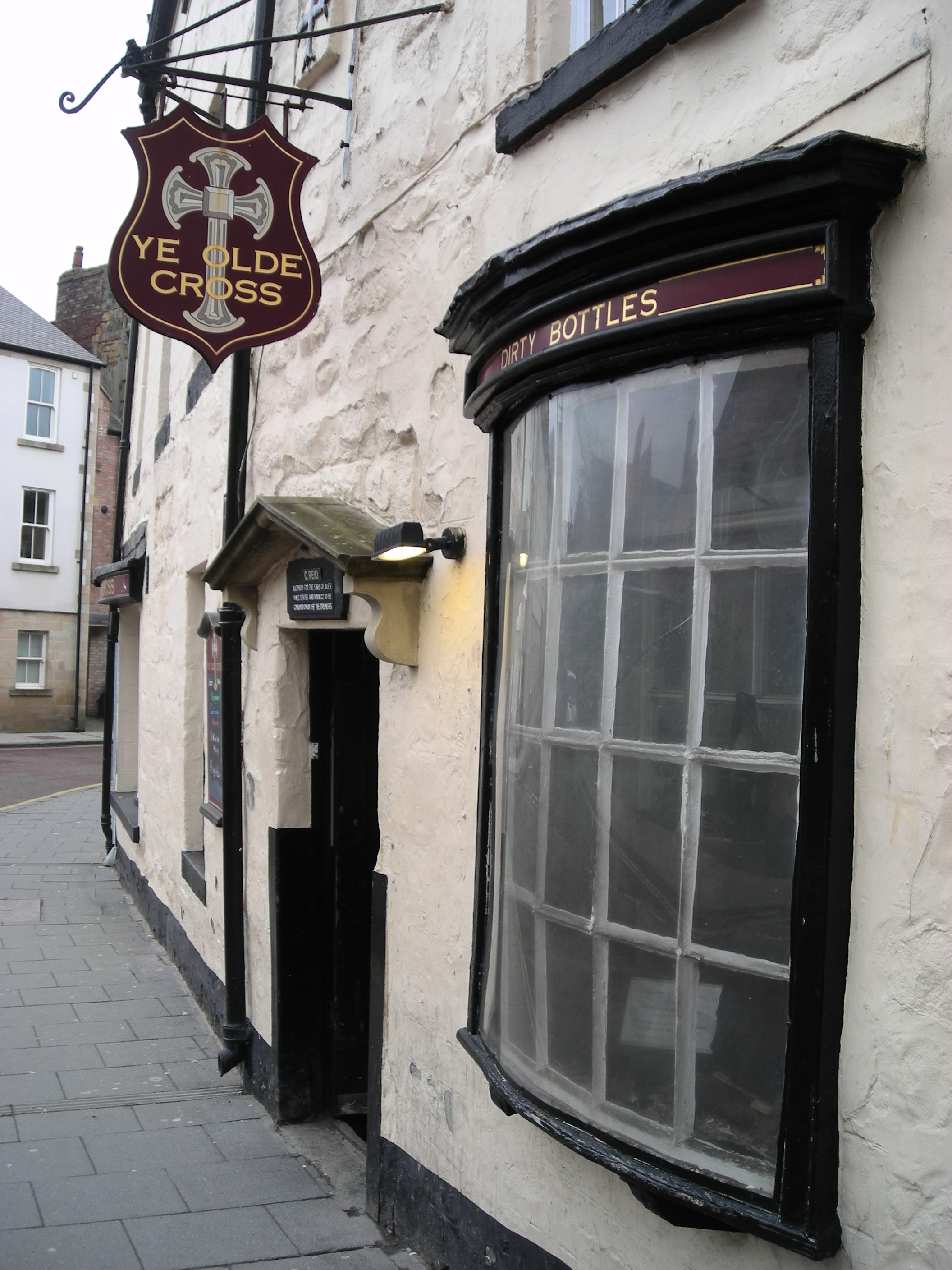
Alnwick Pub sign

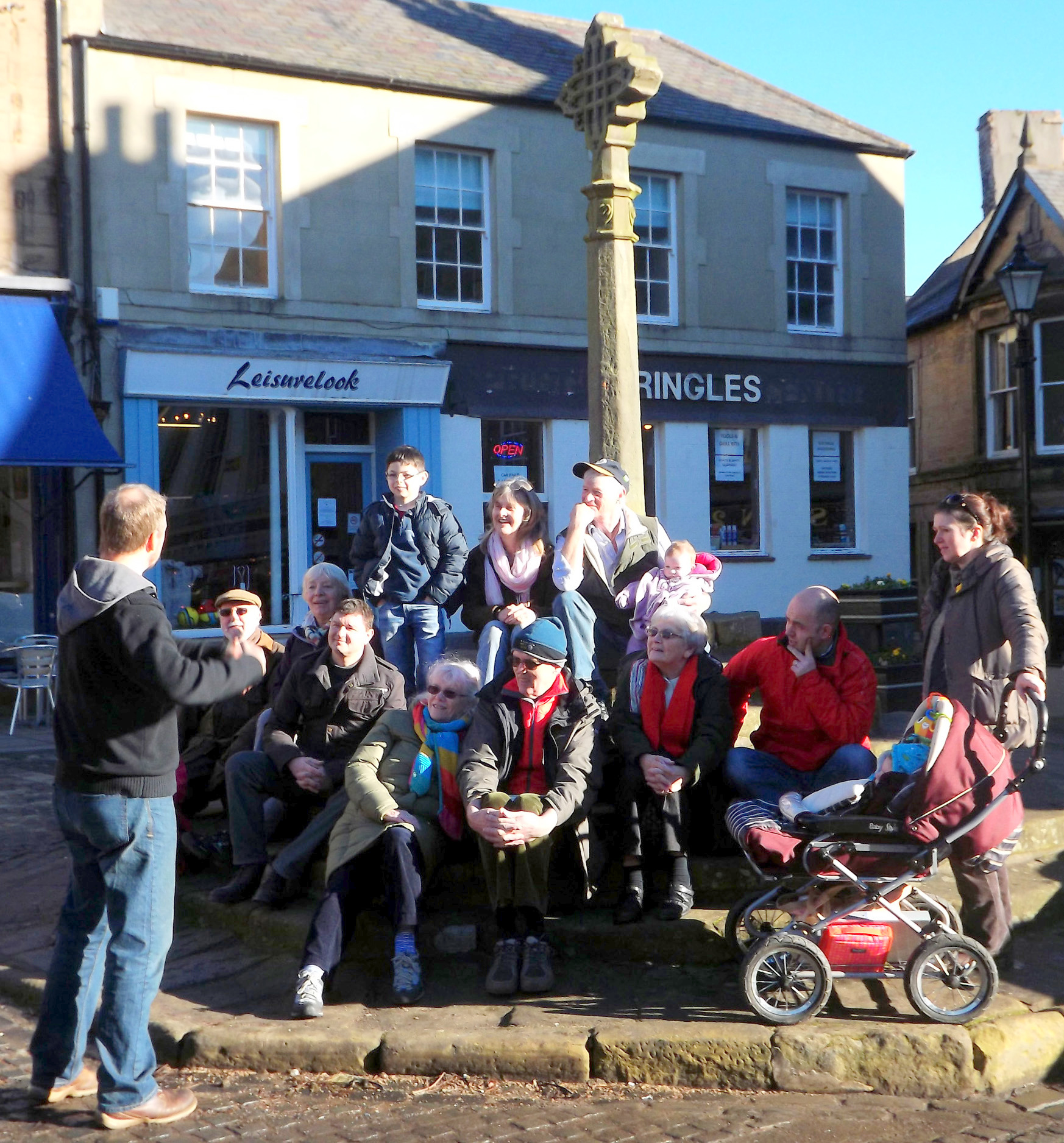
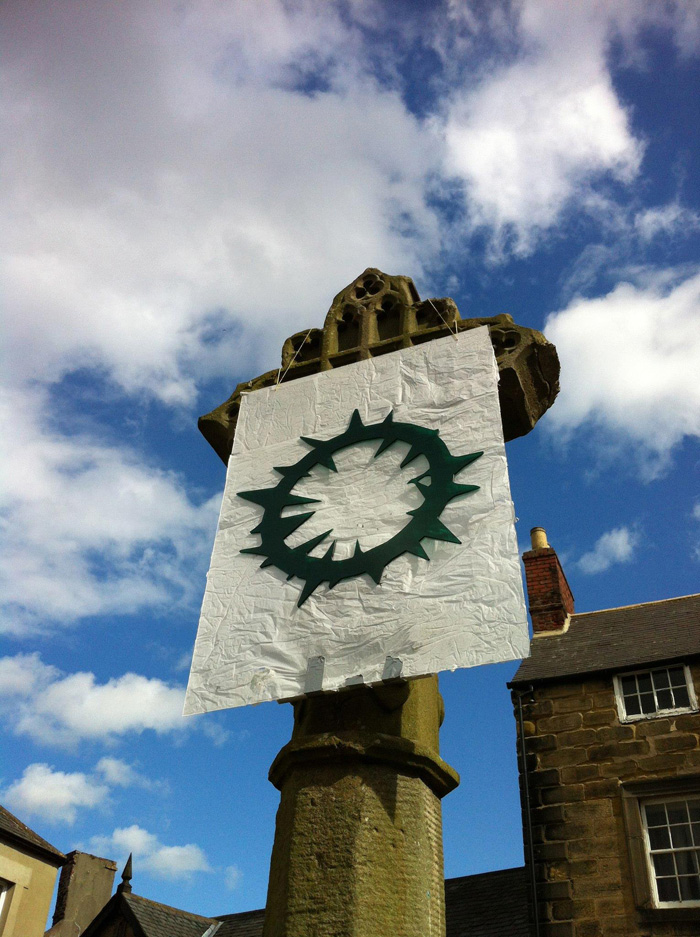
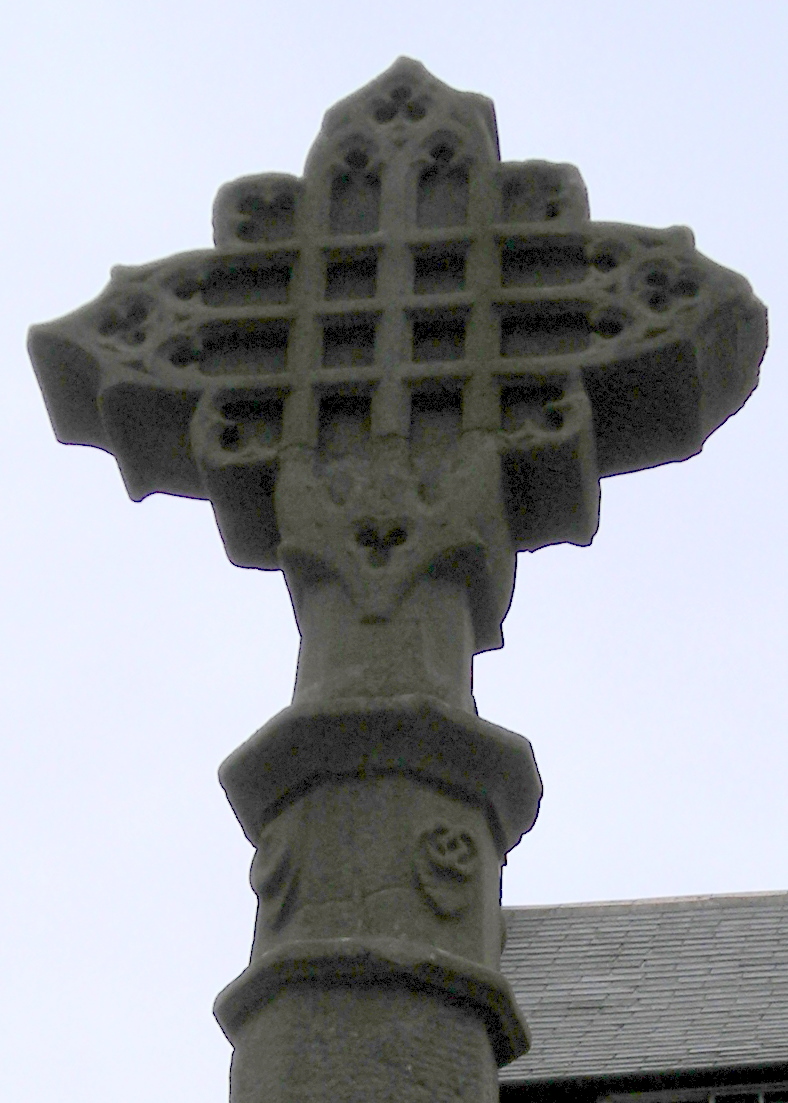
Alnwick. Northumberland, head of the stone cross in the market place

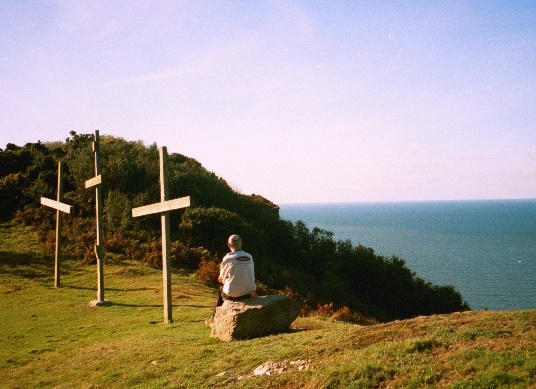
3 crosses on the headland above Lee Abbey, North Devon.


Arnhem Oosterbeek war grave

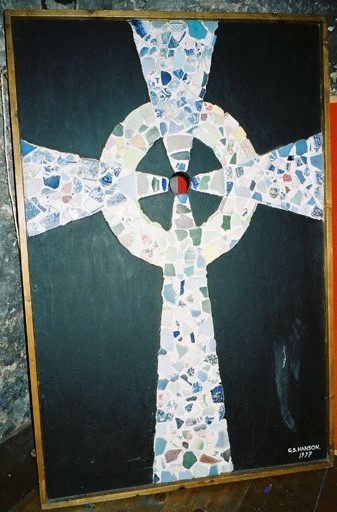
In 'Boilerhouse' prayer-room on H.I. made from broken fragments from the old midden (rubbish tip

Crosses in the cemetary of the 12c Priory on Holy Island.

Posted in Creativity - Images, Living spirituality | Leave a comment

The final Journey – home

We have been praying for family and friends lately, who have been very ill, and some who are going through, or facing, the rigors of cancer treatment, many with uncertainty as to the medical outcome.

This morning, at home, in bed with a lung infection, I picked up my bible and daily meditation from earlier this week, when I had not felt well enough to do any reading. These words were one of my suggested verses, they really clicked home in my heart, and this is what God promises to us as we struggle though sickness, pain and difficulties.

Pilgrim Path, the Holy Island of Lindisfarne, Northumberland

“Then they cried out to the LORD in their trouble,

and he brought them out of their distress.

He stilled the storm to a whisper;

the waves of the sea were hushed.

They were glad when it grew calm,

and he guided them to their desired haven.”

Psalm 107: 28-30

Rob and I have planned and paid for our funerals, written our wills and made life as easy as possible for our loved ones when we eventually leave this life and go to the next great adventure with God.

These are the songs I have chosen, starting with that amazing song which is the most sung in UK churches in the past few years….‘In Christ Alone’, then:-

‘Amazing grace’ (blues version), ‘And can it be’, ‘Beautiful Saviour, wonderful Counsellor’(All my days), ‘Thine be the Glory’,  ‘Before the throne of God above,’  ‘Breathe on me, Breath of God’.

This is NOT “morbid” as some people say, but facing the absolute truth that this world is not our home, one day we shall leave it for our final destination. We choose not to be in denial as to our mortality but to accept it as inevitable, but not to dwell on it.

One of the songs that I have chosen is to be played, not sung by those gathered, to celebrate my life. It is from Jeff Johnson’s ‘Navigatio’ album. This album follows Brendan the Navigator’s spiritual and earthly journeys, possibly even to America, in http://www.pilgrimpath.net/?p=408 I have written some details of this Celtic saint.

This is the song. I could only find this clip so ignore the space pictures -If you go to one minute in on this You Tube they begin playing it.

http://www.youtube.com/watch?v=iDPW-r_lPEc

These are the words:

I’ve earned my sin Nearly spent my soul

I’ve lost my way until now

At the world’s edge I have found a door

At the world’s edge I can see again

So let my ship sail like Brendan’s

Let it carry me home

May the three guide my passage

Towards the island of light

So let my ship sail like Brendan’s

Let it carry me home

May the three guide my passage

Towards the island of hope

I’ve earned my sin Nearly spent my soul

I’ve lost my way until now

At the world’s edge I have found a door

At the world’s edge I can see again I can see again I can see again


Our lives are a pilgrimage, an exciting, scary, amazing journey with God – which death does not end.

Posted in Journeys, Living spirituality | Leave a comment

‘Immanuel’ and ‘A Christmas reflection’

Immanuel
The angels wait with joyful anticipation,
darkness covers the earth
the glory of God is hidden
veiled within a virgin womb.
O come O come Immanuel,
God with us.

The shepherds, simple, hardy men,
guard their flocks in the hills
below them Bethlehem sleeps
unaware of eternity unfolding.
O come O come Immanuel,
God with us.

Above them the stars shine on
cold and bleak from afar,
Yet the one who made those stars
was to be born in a stable dark.
O come O come Immanuel,
God with us.

A child is born, a son is given
and the world is changed forever,
all heaven above rejoices,
below, the darkness trembles.
O come O come Immanuel,
God with us.

Now the eternity of longing ended,
sings forth from the angel host;
“Glory to God in the highest,
on earth peace to men of God’s will”.
Rejoice! Rejoice! Immanuel
has come to thee, O Earth!

© Catherine Davies 2005

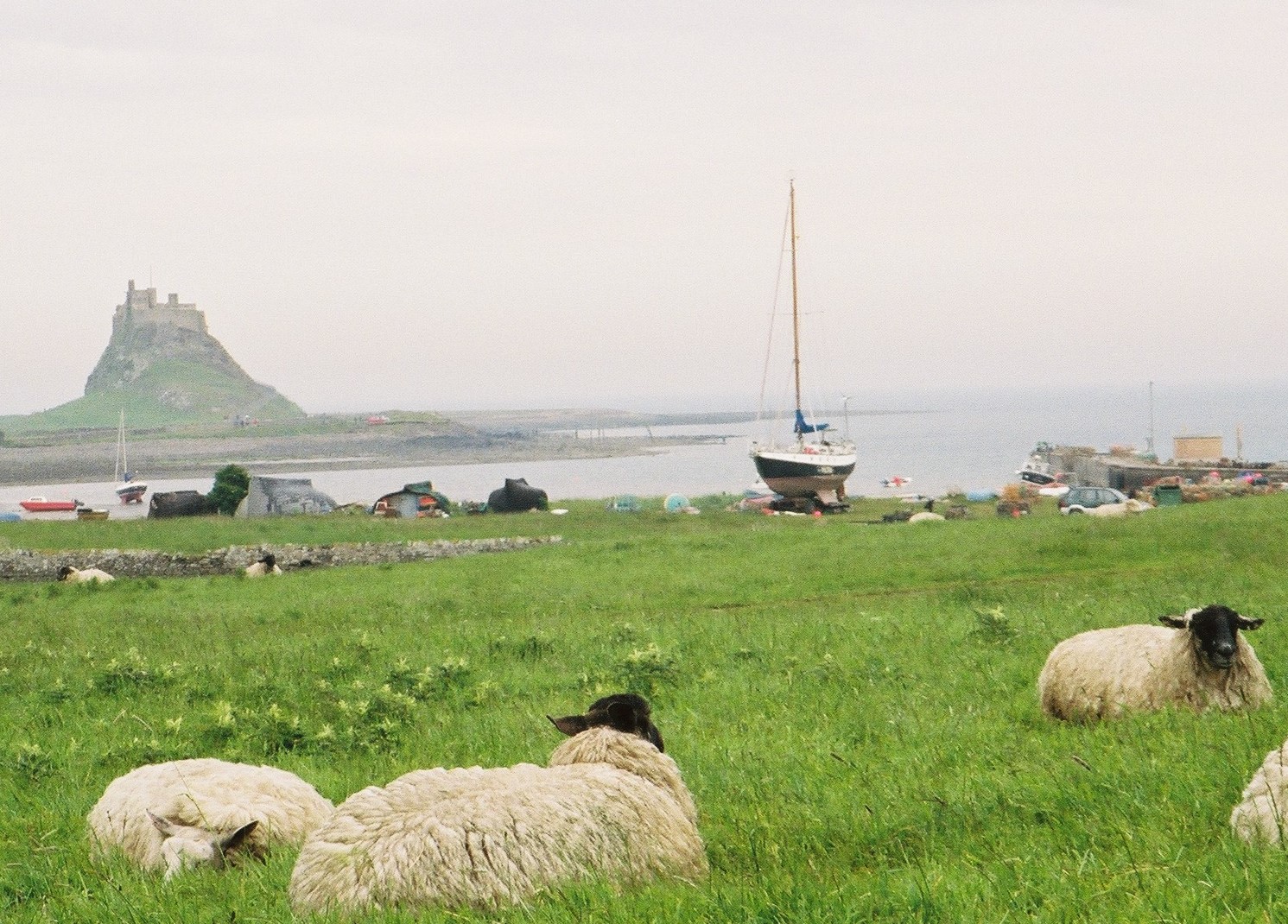
Sheep on The Holy Island of Lindisfarne

A Christmas Reflection

Come and see the babe sleeping so quietly, softly slumbering in a bed of straw. See the man silent before his accusers tormented with a crown of thorns

O come let us adore him, Christ the Lord

Come and see the shepherds bowing low leaving their sheep in the fields.
See, bowed under the cross so cruel, the paschal lamb climbing the hill

O come let us adore him, Christ the Lord

Come see a child cradled with love in his maiden mother’s arms.
See the mother weeping as she holds the broken body of her beloved son.

O come let us adore him, Christ the Lord

Come see the star brightly lighting the way to the infant king.

See the darkness that falls on the world as the “King of the Jews” expires

O come let us adore him, Christ the Lord

Come hear the angels singing their praises as God’s only son is born.
Hear God’s son cry in death’s agony Father, why have you forsaken me?

O come let us adore him, Christ the Lord

Come see a virgin’s joy at the birth of her blessed, innocent, child.
Witness satan and death’s defeat as the Lord of life dies.

O come let us adore him, Christ the Lord

Come hear the words of the innkeeper sorry, no room for you here.
Listen- In my house are many rooms I go to prepare yours for you.

O come let us adore him, Christ the Lord

Few saw his first coming in Bethlehem unknown to the rest of the world.
None shall miss Jesus’ glory when he returns to judge mankind

Then all shall adore him, Christ the Lord.
Come Lord Jesus, come.

© Catherine Davies 2005

Cross at the Priory, Holy Island of Lindisfarne

Posted in About us, Creativity - Words, Living spirituality | Leave a comment

Operation ‘Christmas Child’

To many people, asking if they have filled their shoebox will get you a blank look but from many others it will receive an enthusiastic response.

What am I talking about?

Operation Christmas Child 'Joy' poster

“Let my heart be broken with the things that break the heart of God.” Bob Pierce wrote these now-famous words in his Bible after visiting suffering children on the Korean island of Kojedo. This impassioned prayer is what guided him as ‘Samaritan’s Purse’ (named from the biblical story of the Good Samaritan) was born.

Samaritan’s Purse works in more than 100 countries around the world. International headquarters are in Boone, North Carolina, USA. Affiliate offices are in Australia, Canada, Germany, Ireland, Hong Kong, Netherlands, and the United Kingdom. Field offices are located in some 20 countries across five continents. Franklin Graham, son of the late Billy Graham serves as President and CEO of Samaritan’s Purse.

This world-wide mission to practically help those in great need led to many different initiatives, and Samaritan’s Purse was launched in the UK by the legendary Dr. Billy Graham in 1990 following his visit to Scotland. After just twelve months, Samaritan’s Purse UK had a support base of over four thousand people from a cross-section of individual Christians and churches in the UK.

Operation Christmas Child Logo

In 1995, Operation Christmas Child, a Wrexham-based children’s charity, announced its merger with Samaritan’s Purse. Since 1995, the organisation has gone from strength to strength – starting new development initiatives in Africa and Central Asia as well as being part of the global Samaritan’s Purse response to humanitarian disasters such as the Darfur Crisis, the South Asian Tsunami, the Pakistan Earthquake, the Myanmar Cyclone and the China Earthquake. Currently they are working hard to help those is desperate need in Haiti following the earthquake and the subsequent cholera epidemic

But they are most well-known for the simple but effective way that ordinary people and families can get involved – it’s a fun and interactive way to give to a child who might not get anything else this Christmas, or even know what Christmas is.

Simple take an average sized shoe box, cover it in Christmas paper and fill it with small gifts, appropriate to either a boy or girl of a certain age group. You will be given a choice on these and gifts are suggested, from toys to toothbrushes, felt-tips to furry hats, there are also items you should not include, such as toy guns – many of these children will be in areas where war and violence are an everyday reality and they don’t need reminders! Then you add a small donation for the work of organising and delivering the boxes and take it to a local pick-up point, usually a church, shop etc. When you see the film of the boxes been given out to kids in India, the soviet states, Africa etc it makes you realise how much our own children have. Rob and I visited one of their warehouses in Evesham – amazing what an enormous operation this is.

Operation Christmas Child choices

But now there is an alternative way of filling your shoebox, you can still find a local point to get your leaflet and drop off your filled box but you can also choose to do it ‘virtually’ on their website! You do exactly the same as you would normally – choose paper to cover your box, select which sex and age group you are preparing your box for, then click on the offered toys etc and pop them in the box! You can add a short message and even a photo of yourself if you want then pay online through the secure server. This has obvious advantages for everyone as the charity can buy the gifts in bulk and doesn’t have the added cost of transporting bulky boxes to their depots.
Operation Christmas Child is now the world’s largest children’s Christmas appeal.

Every year this operation is made possible through the amazing support of thousands of children and adults in the UK and Ireland. Last year alone they had the joy of sending nearly 1.2 million shoeboxes bursting with joy from the UK alone and over 200,000 from Ireland to children in parts of Africa, Central Asia and Eastern Europe.

Even if you are too late for this year’s appeal, just contact the website and they will be pleased to tell you when you can donate for next year.
Posted in Living spirituality | Leave a comment

My WRNS story

Major, life-changing decisions can be made following seemingly minor incidences in our lives,Sue and I on that fateful trip to town! She has the checked=

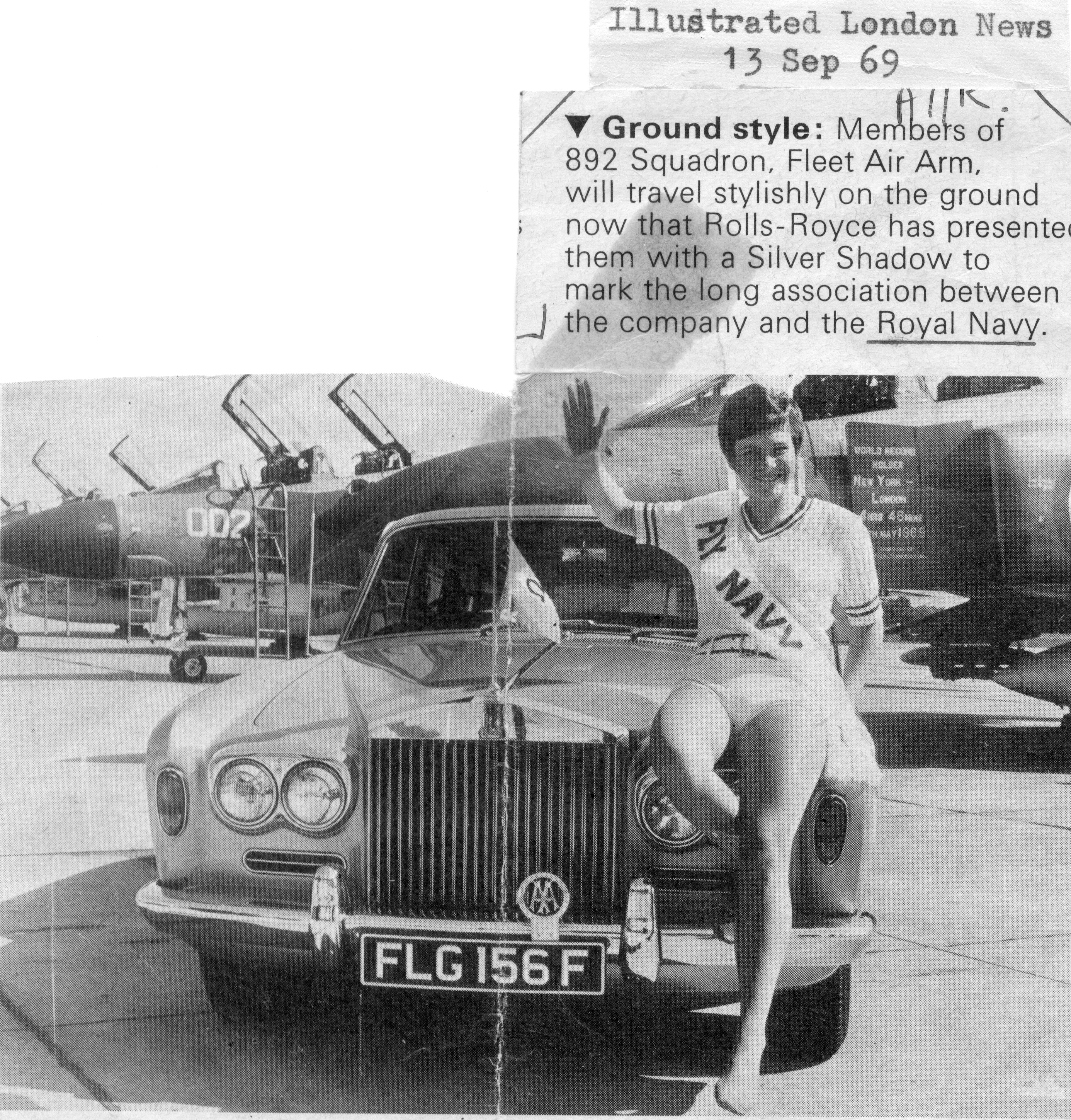
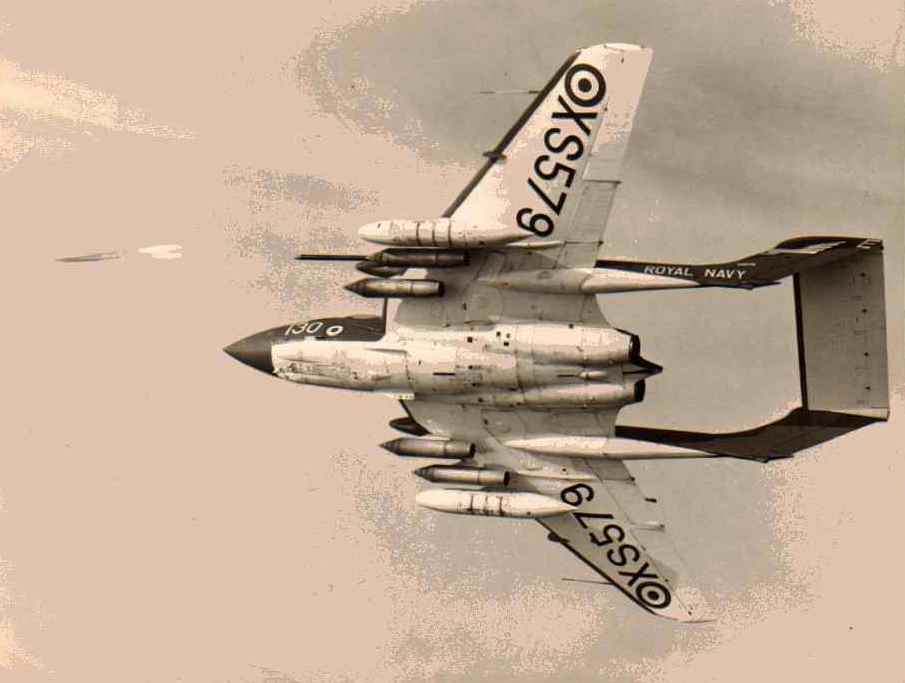
Our Phantoms won the International air race with Rolls Royce engines, so the squadron were loaned a car for the year by RR

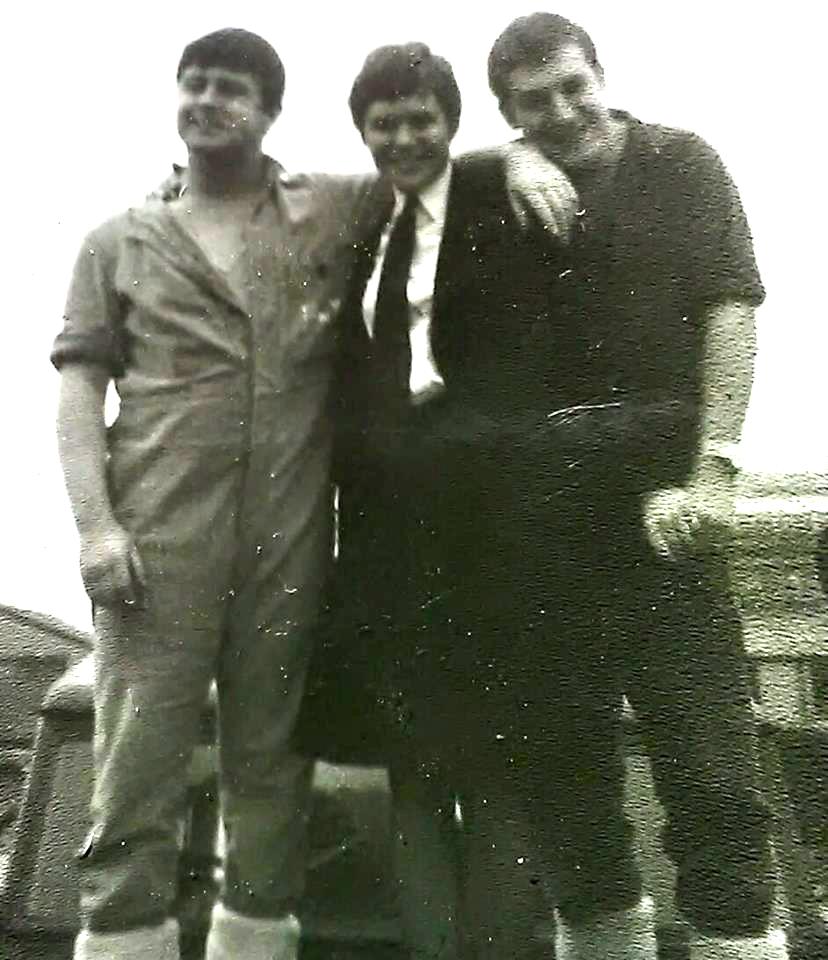
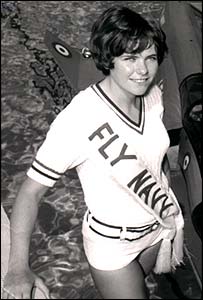
So how did I end up with this photo of me on the right?

It started with another newspaper photo….
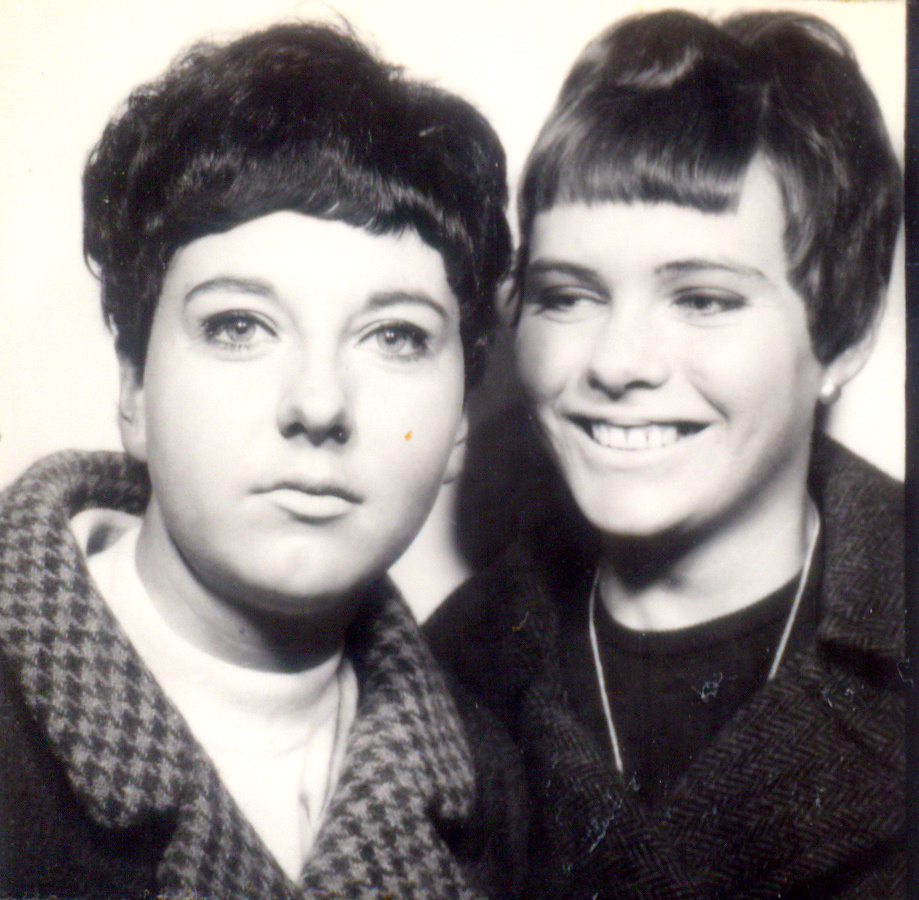
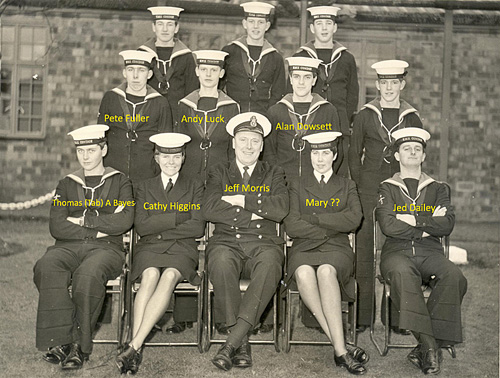
In February 1967 I was again off sick from my work as telephonist at a big hotel in Bristol, with tonsillitis. This time my GP told me to stay off work, resting my throat for two weeks. So a week later, feeling fine, not a bad day weather-wise, my friend Sue (Townsend?) asked if I would go into Bristol with her. Photo far right. Sue has the checked collar.

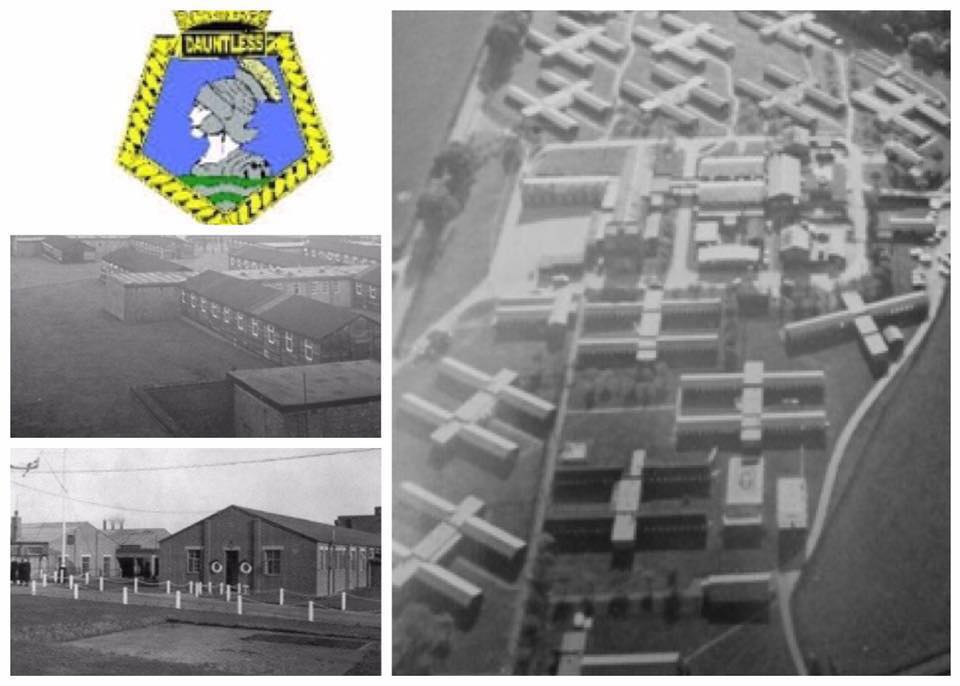
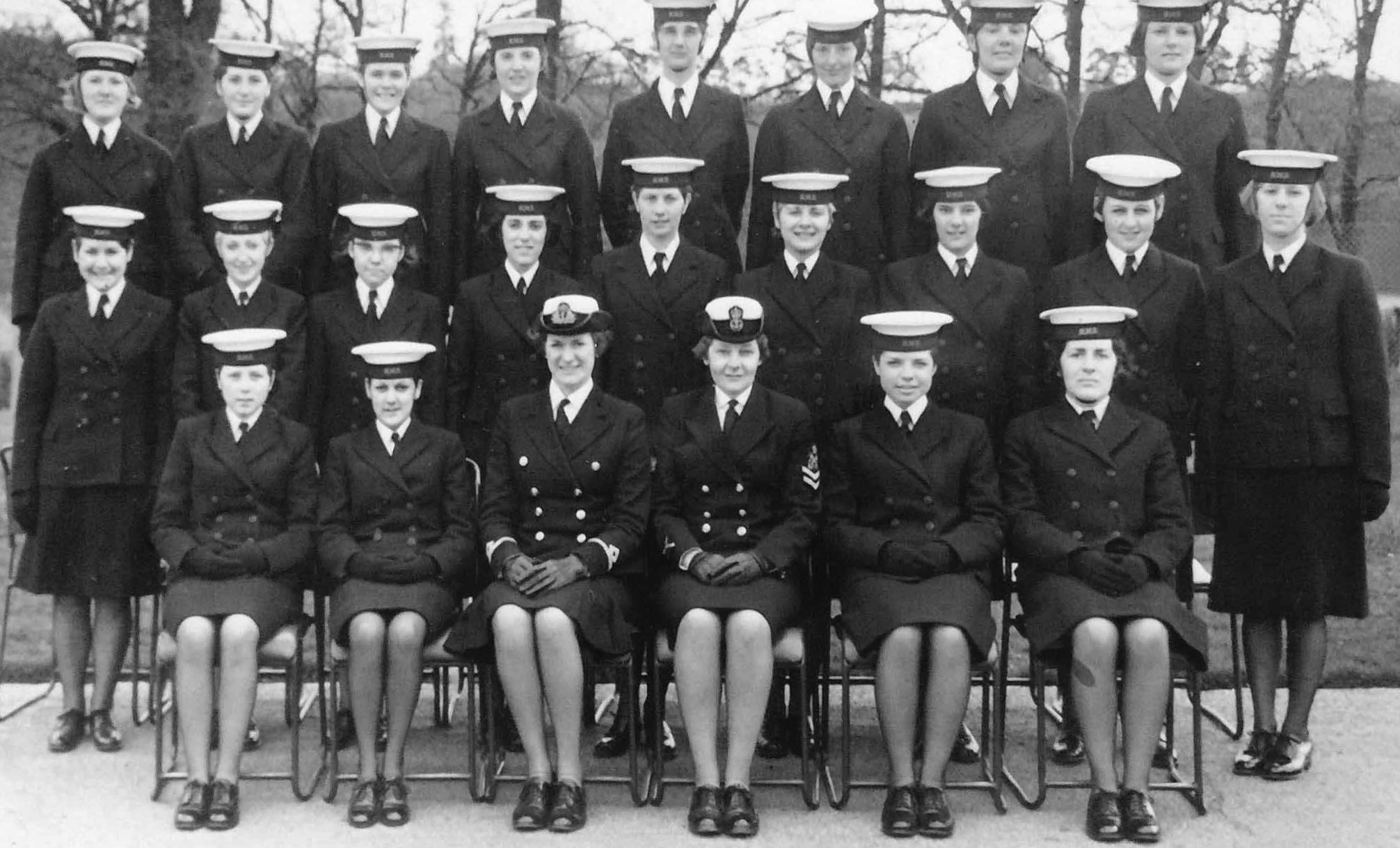
She was back home, in her smart new Wrens uniform, on her first short leave from the HMS Dauntless, the Women’s Royal Naval Service’s training base. We went shopping in the city, but first Sue had some papers to drop off at the recruiting office in the centre of town. While we were there talking to the recruiting wren officer, a male commander came in, “Great shot, recruiting officer, new recruit in uniform and her friend asking about joining too!” he exclaimed.

I assured him I had no intention of joining anything requiring a uniform – thank-you very much!

But he came back with his camera and told me it would just be for a photo in the ‘Navy News’. So I agreed. He asked my name and we left for our shopping trip.

Imagine my horror to see the photo, and my caption, “Miss Cathy Higgins, interested in joining the wrens too”, on the front page of the Bristol Evening Post a couple of days later! Must have been a slow week.

When I got back to work my boss said it had been very difficult for the hotel in my absence and would I train one of the receptionists on the switchboard? Naively I did, they then handed me my cards and a week’s pay in lieu of notice as I was obviously not going to tell them I had applied to join the navy during my paid sick leave!

My father was furious and had a very animated phone call with the recruiting office, which ended in them appealing on my behalf to the hotel, which refused to budge, even when threatened with the removal of the annual Naval dinner to a rival hotel. Incidentally, they carried out that threat!

The officer said if I could get through the usual process I was welcome to try for the WRNS. I half-heartedly went along and came through all the application; I was enlisted as a Radio Operator and went to Dauntless for my initial training.

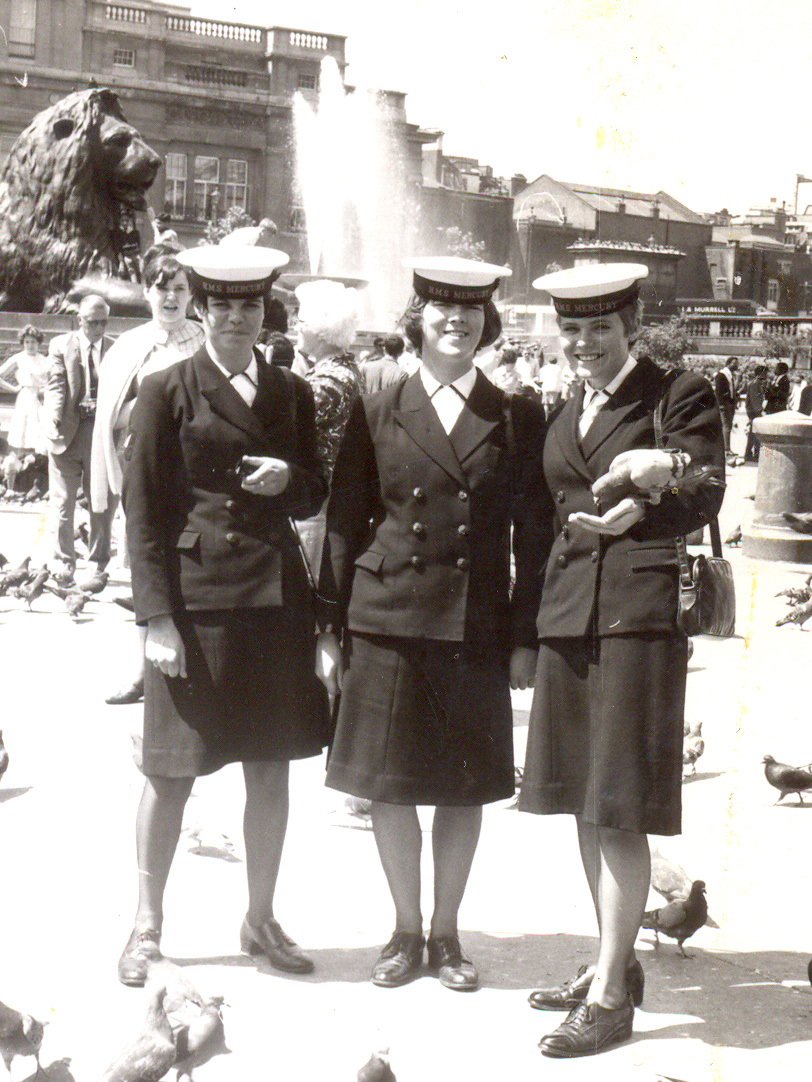
While I was in training our group were asked to represent the WRNS at the ceremony in Trafalgar square when a bust of the Second World War First Sea Lord Admiral Cunningham was unveiled on 2 April by Prince Philip, Duke of Edinburgh, the Queen’s husband.

In Trafalgar Square, I am not sure why I have a pigeon on my hand

The idea being that we had plenty of time to train in marching up and down steps that curved from narrow to broad, we marched up and down the Reading churchyard steps, standing in for those in Trafalgar Square, numerous times, to the delight of local builders!

We had our weekend leave immediately before going up to London and I proudly took my ‘No.1’ uniform home to show my family, but, out with some friends the evening I was due to return on the train, I left my bag containing my uniform  in a boy’s car. When I got back to Dauntless I realised my mistake and was allowed to phone my long-suffering dad, who went to the boy’s home and drove through the night to Burghfield, leaving my bag with one of the cooks, as it was 5 a.m. and they didn’t want to wake me!!

They placed us wrens between the Guards and the Marines and we jumped a mile every time they came to attention in their huge boots.

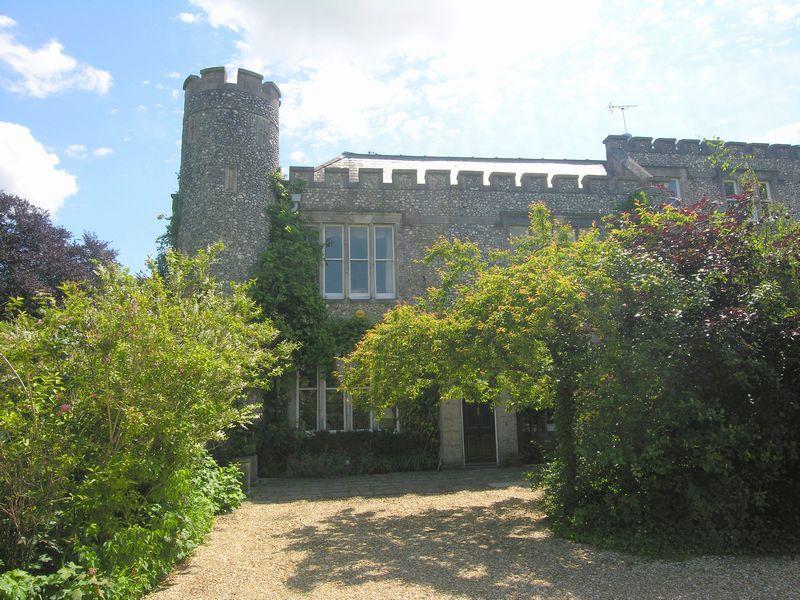
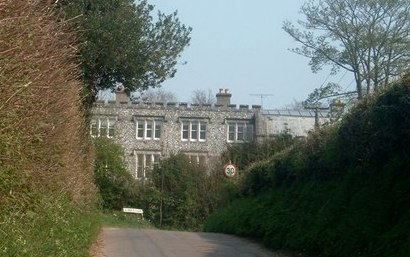
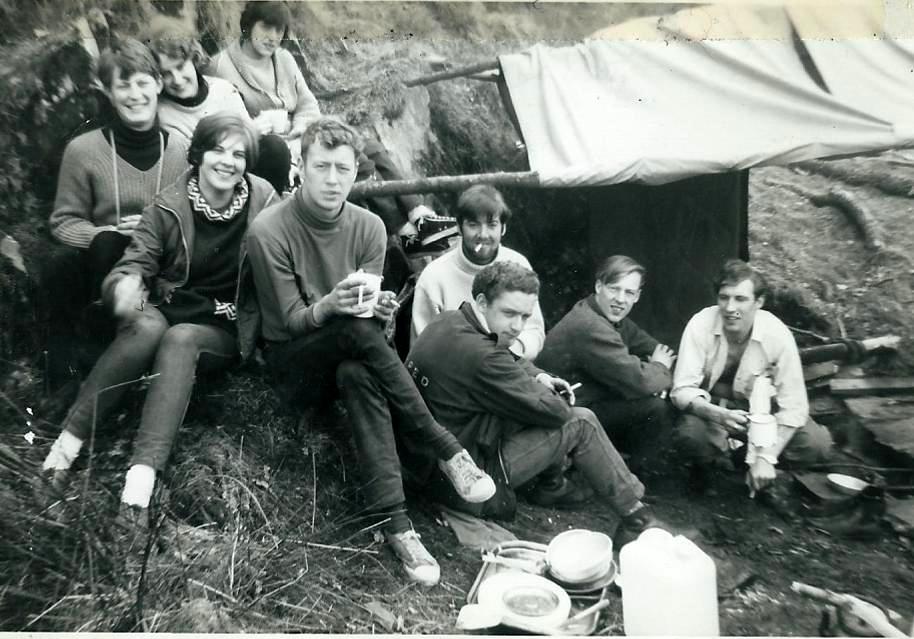
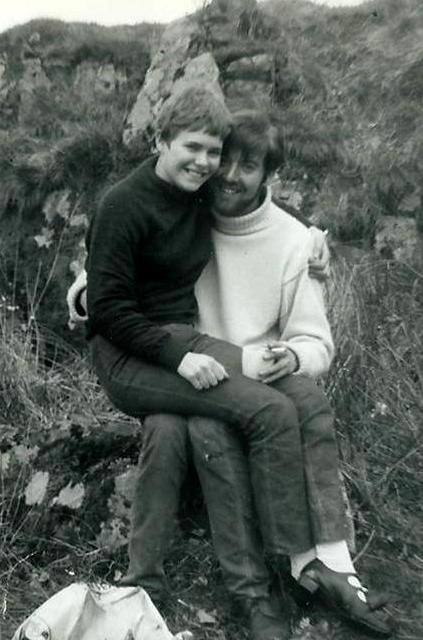
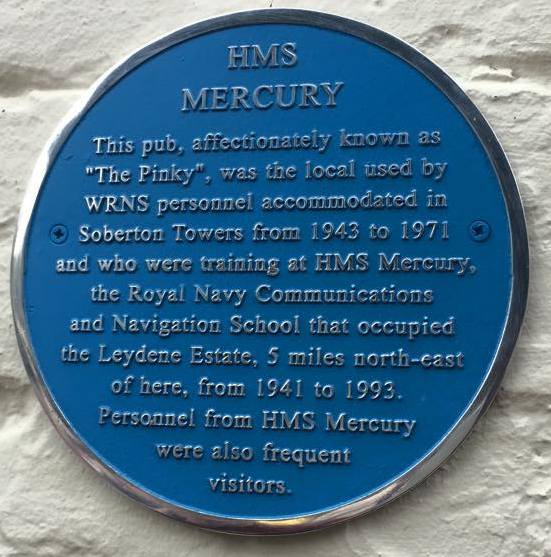
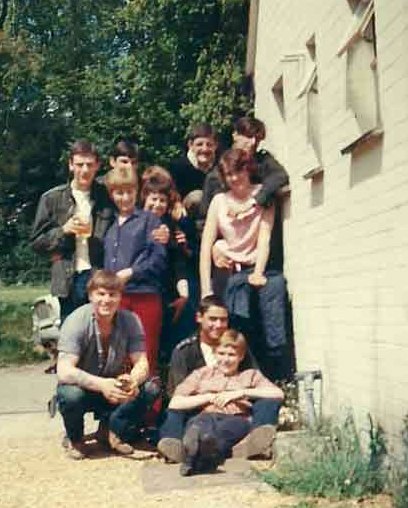
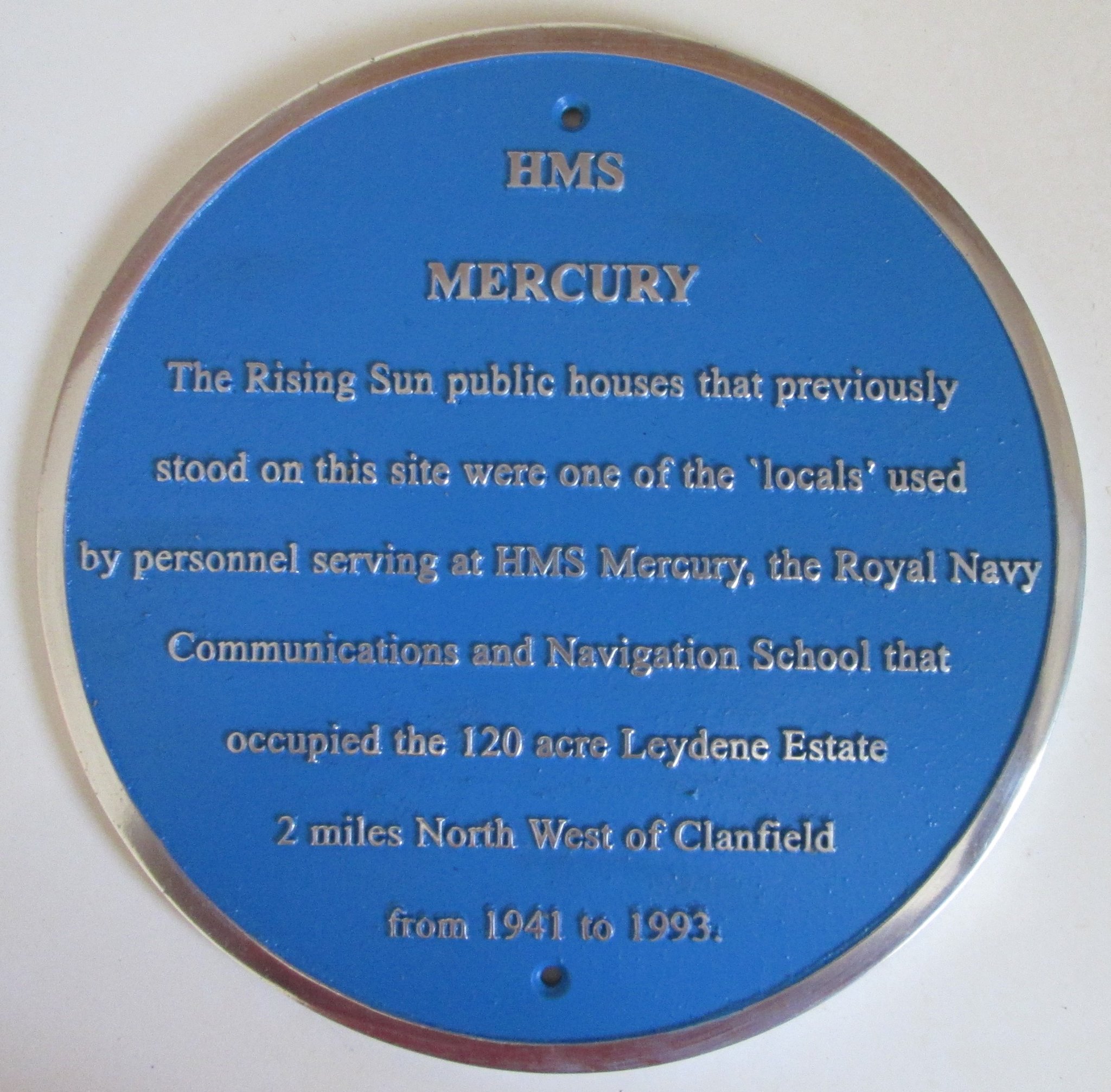
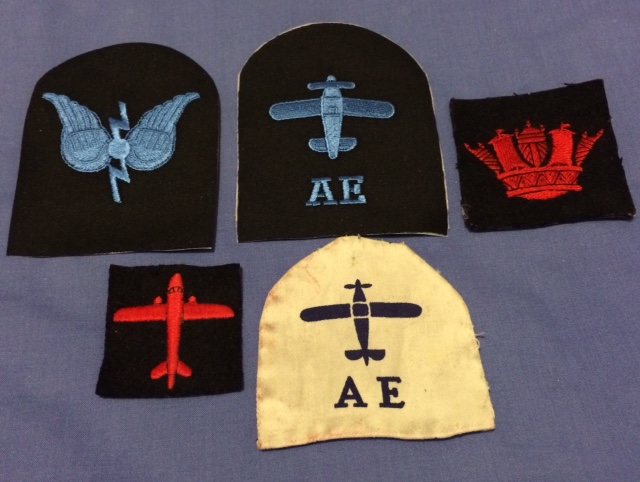
I loved being at ‘Soberton Towers’, the wrens quarters near Petersfield but I had problems with migraines at HMS Mercury training base and was given a medical change of trade to Wren Air Mechanic (Airframes & Engines), it was either that or driver and I loathed the idea of that. (I still don’t like doing it).

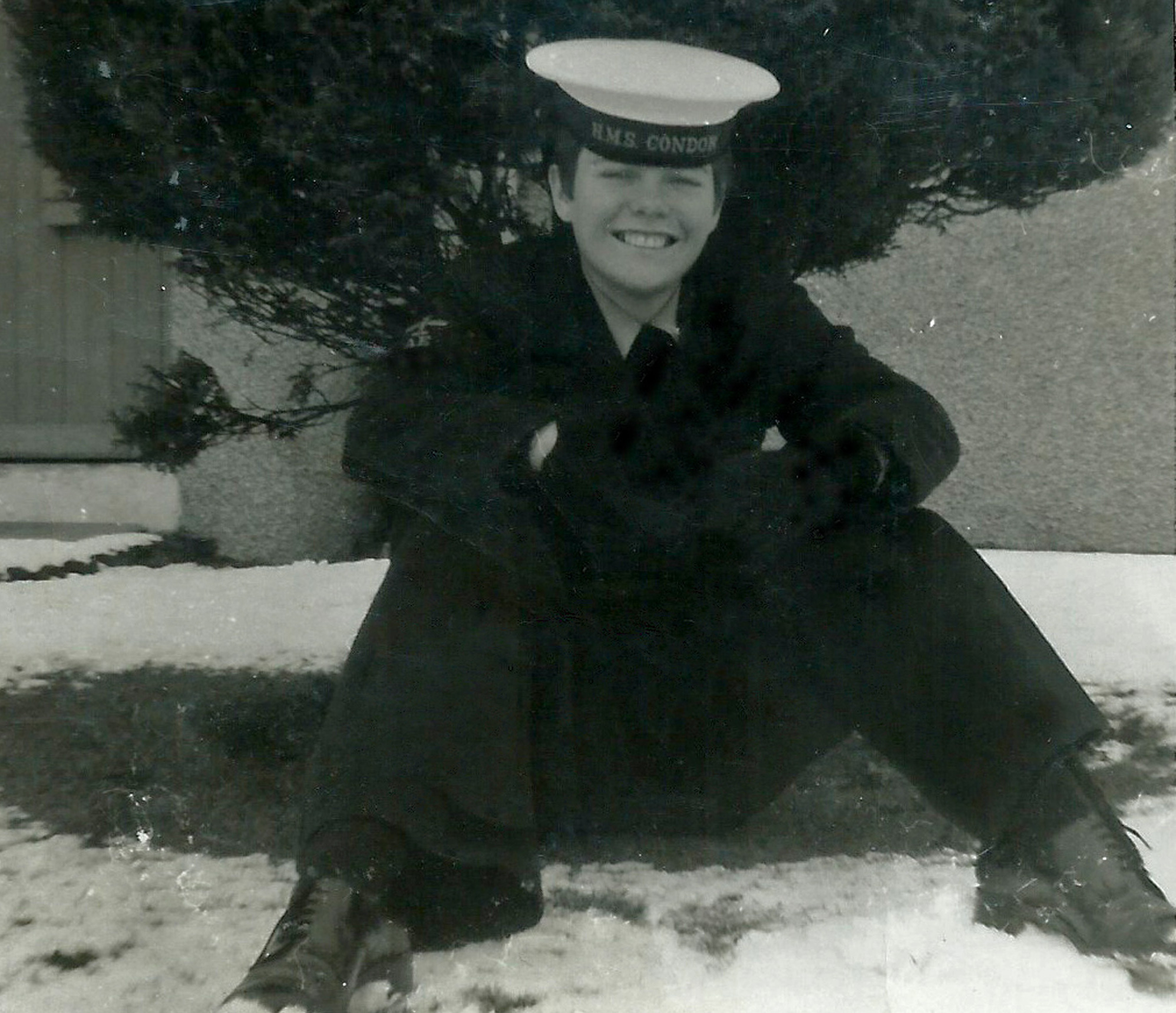
Part of our class of trainee Air Mechanics at RNAS Condor, Arbroath, I am on the left of our CPO


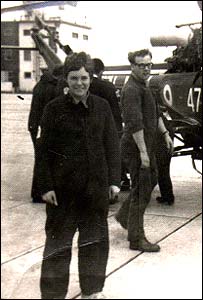
Wren Kate at work, getting told off by my boss as I was meant to be helping move that Wasp helicopter!

So after another stint at Dauntless I was off to Arbroath in Scotland for my training on the out-of-service aircraft there. There were just two girls and around 14 lads on our course, Mary was top and I came second, well we had to show the men that we could beat them at what they regarded as a male domain!

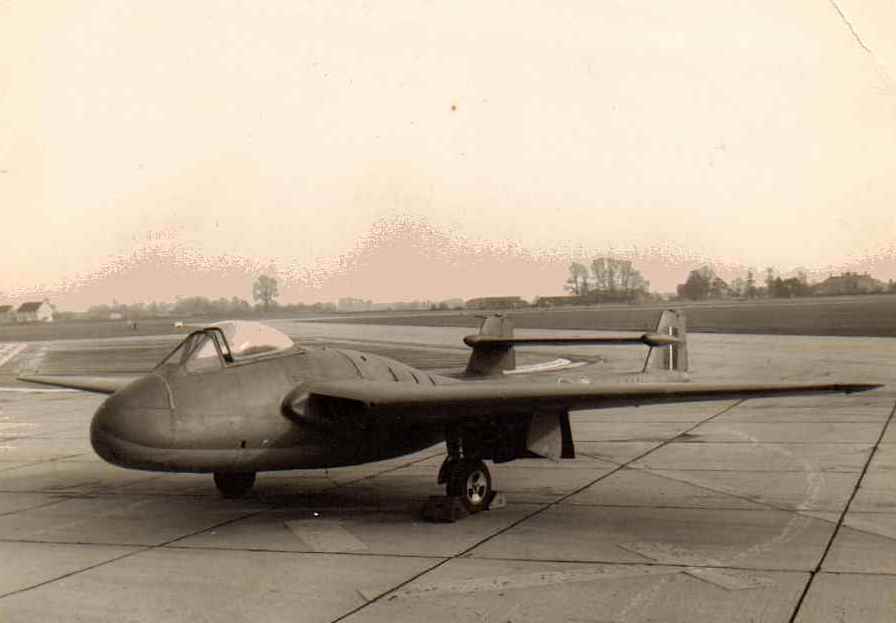
De Havilland DH-100 Sea Vampire

After this I was posted to the Visiting Aircraft section at Royal Naval Air Station Yeovilton, HMS Heron, in Somerset. Even Naval bases far from the sea are called “ships”.

I really enjoyed my time there as my dad had always said “never volunteer”, so I volunteered for anything going of course. Though I let myself down badly when I hitched a ride in a De Havilland Sea Vampire , lost conciousness as we did a few ‘gentle’ aerobatics and had to lifted from the cockpit by the crash crew!  They were looking for a wren to spend the summer weekends of 1968 flying in the Whirlwind SAR helicopter on demonstrations at various country shows, air days etc. The crew would place me in an inflatable dingy on the grass and then fly away, I would fire off a flare, the heli would return to ‘rescue’ me, great fun. The crowds enjoyed the last of the three ‘lifts’ when I was “unconscious” and the crewman had to be winched down and wrap himself and the gear around me to lift me up to safety. As he was my then boy-friend the crowd were delighted when I got a kiss on the way up!

I remember in July flying over the terrible floods in the village of Pensford, Somerset, where the main A37 road was blocked as the bridge was swept away.

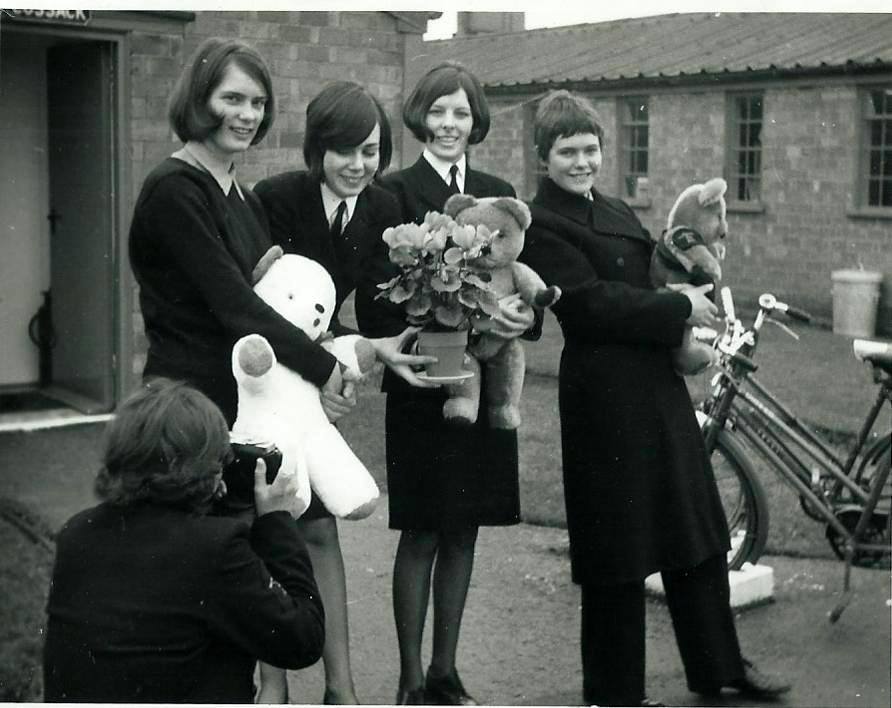
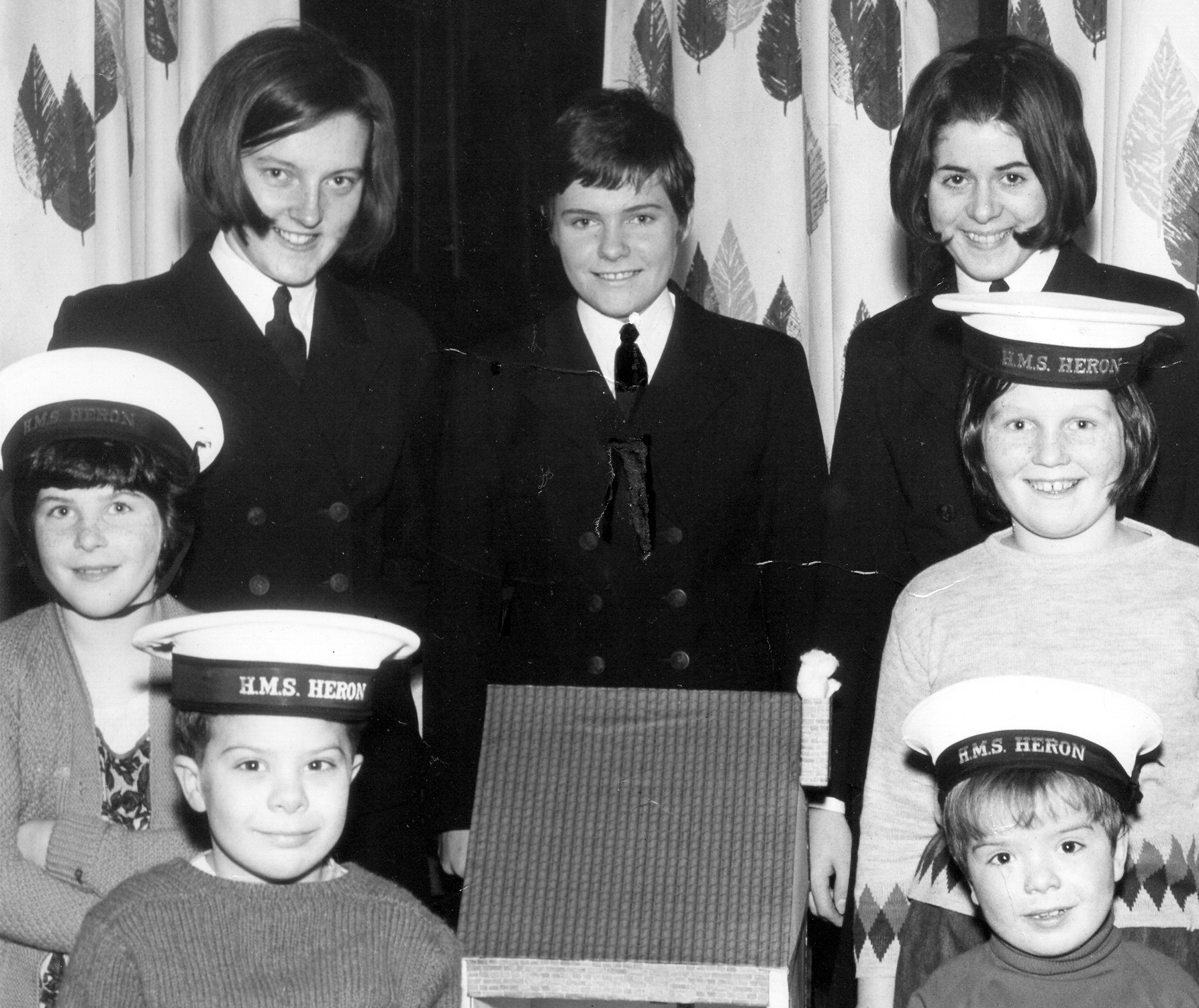
Three of us WRNS delivered presents to a local school (I am in the middle)

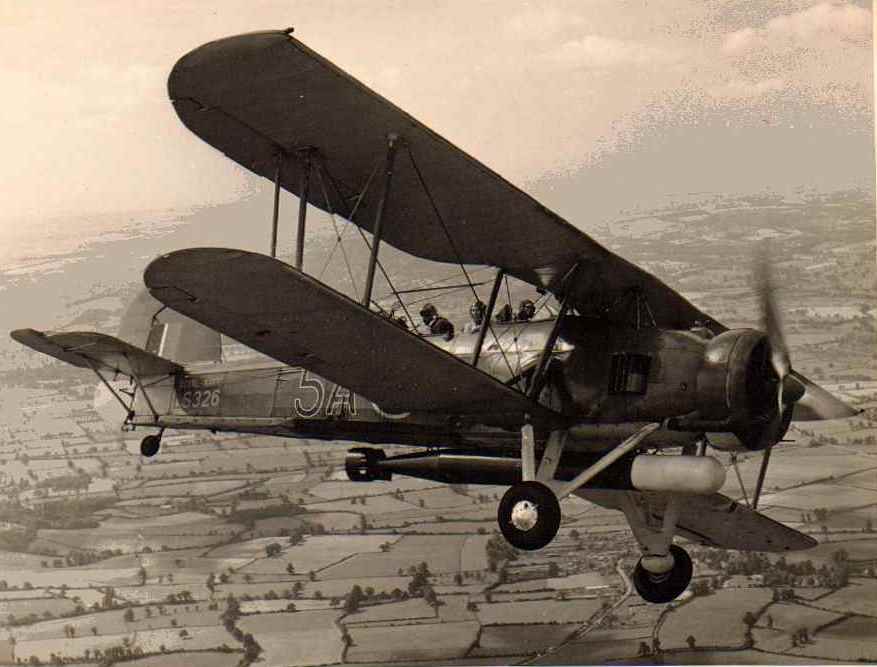
I was really proud to be qualified to maintain the Swordfish & to fly in it several times

We were trained on many types of aircraft at ‘Visiting Aircraft Section’, where I worked. I was most proud of my certificate to maintain the Swordfish, flying to the aircraft factory at Filton, Bristol, in it for their air day, and another time, seated in the back hanging onto the rear-gunner’s flying suit as he stood up to salute the new Captain of HMS Heron when he arrived and we did a low slow fly past. Our pilot “Crash” Evans was a little concerned as the Phantoms flew in at the same time and, afterburners on, roared vertically upwards almost directly above us, we made a distinct lurch towards the ground and the wooden airframe creaked in protest!

I qualified and/or worked on the Hunter, Canberra, Blackburn Buccaneer , Sea Prince, Devon, Wasp, Westland Whirlwind, Tiger Moth, Vulcan bomber, Lightening, Red Arrows’ Gnat (the smallest) and the USA’s MAC Globemaster (the largest). There were many more that I can no longer remember the name’s of.

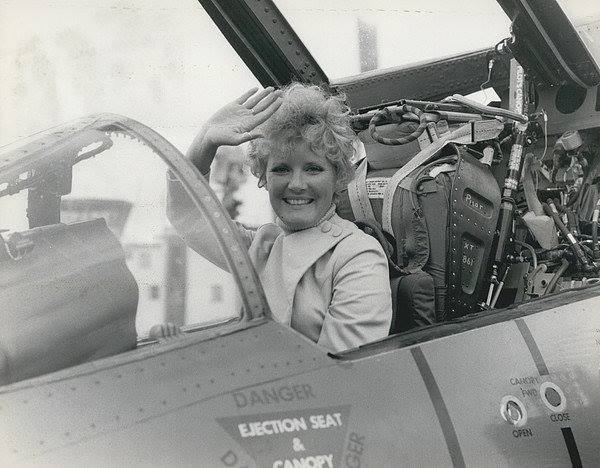
Among visitors I welcomed Petula Clarke (filming ‘Goodbye Mr Chips’) and a certain Lt. C.Windsor who flew in as a student pilot. Now known as Prince Charles of course.

Blackburn Buccaneer

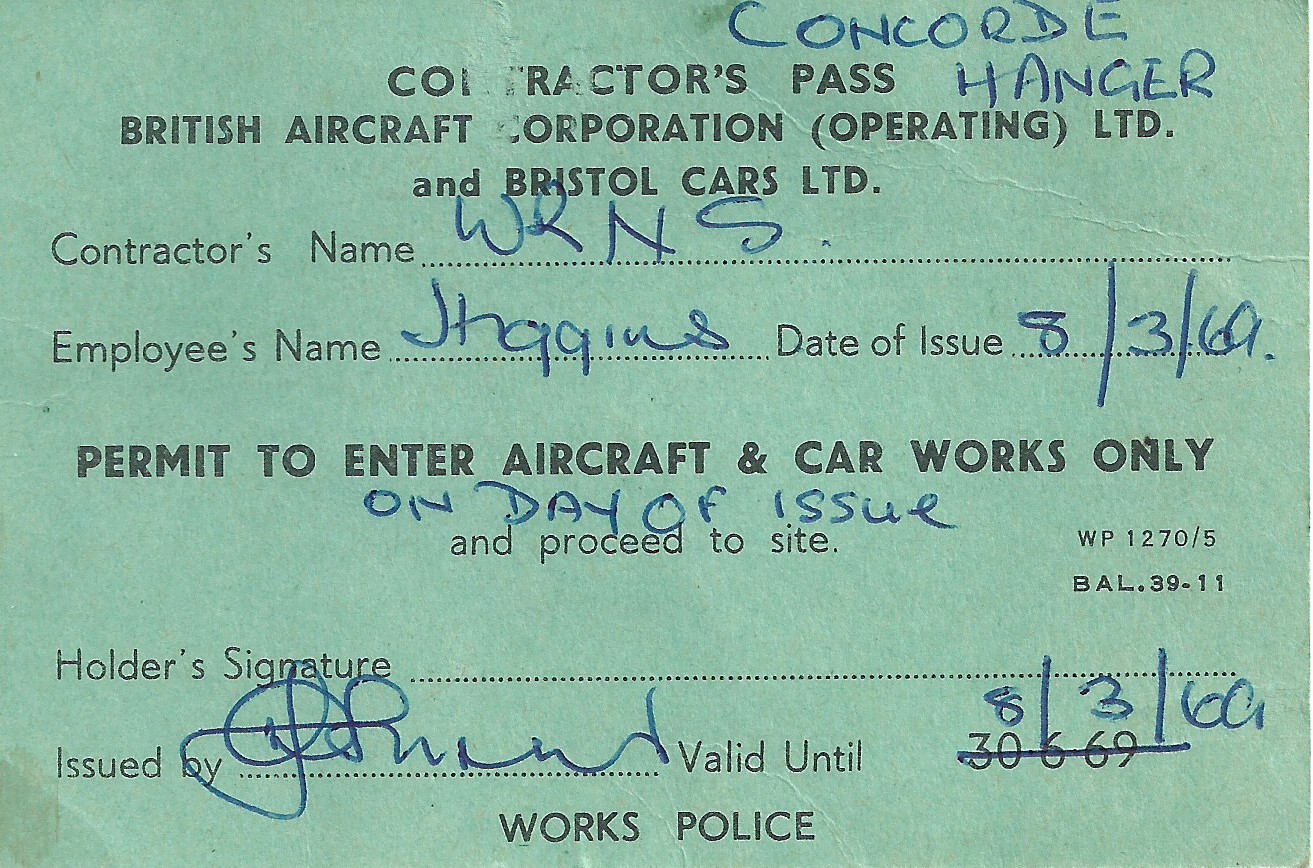
My family lived in Bristol. So when a notice went up on the boards, in September 1968,  asking for a volunteer to work at Filton for a month helping with the Concorde project, I jumped at the chance! This futuristic aircraft was being build partly there and partly in France.

To help with the design of a crash net suitable for the end of the runway for Concorde, in case it was needed during the test flights, the FAA was loaning a Buccaneer jet and crew, for the tests, because it had the closest Delta shape to Concorde.

My job was to do all the daily checks etc on the Buccaneer.

I stayed with my parents, and travelled to Filton each day wearing my smart uniform, which earned some interesting remarks on the bus.

But they were nothing compared to the comments from the lads when I arrived at the Brabazon hangar, where my aircraft was parked in front of the nose of the brand new Concorde. The looks were priceless on the apprentices’ faces when I came out of the Ladies in my overalls and started work – climbing into the Buccaneer’s air intakes to check the compressor blades.

They weren’t used to seeing girls doing much technical work and I had a few problems when they climbed into the cockpit and refused to leave.

I soon put a stop to this by pointing out that they were sitting in a rocket-propelled ejector seat that could shoot them straight up to the metal roof at 90 feet a second.

Once I had the aircraft ready, the crew would fly up from HMS Heron in Yeovilton to take it up for as many flights as necessary, and I was responsible for refuelling and maintenance work.

The Buccaneer was parked in front of Concorde, and I was called over the tannoy system at lunchtime one day to man its brakes while it was towed out of the way to let the new plane out for its first photo-shoot with the gathered world’s press!

We Royal Navy folk were given a guided tour of Concorde – we were led through and all over the plane while one of the foremen extolled her virtues like a proud father.

Our Chief Petty Officer, who felt that ‘his’ Buccaneer was a much better plane, was getting fed up until, in a huge burst of one-upmanship, he said: ‘Look at your air brakes – ours are much bigger’.”  I still like to drop the remark into conversations involving memorable episodes in our lives; “I have walked on Concorde’s wings you know”. Well of course it was in a hangar!

At Filton, we used to eat with the pilots and the day before they all left for the first test-flight at Toulouse, which was planned for 1 March; our navy pilot told them it was my birthday on 2 March.

One of the French workers said ‘We shall delay Concorde’s first flight for you; it shall be our birthday present to you!’

In the end there was bad weather on 1 March, so I got my birthday present!

A few years later when my husband, a Dutch pilot, was working for KLM, he would often say: ‘I was parked next to Concorde at Heathrow today – I said hello to her for you’, though we could never afford to fly in her.

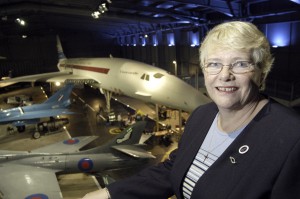
I never dreamed then that on 24th October 2003 I would be standing in front of those huge Brabazon hangar doors again, as they slid open I walked into the cavernous space and spoke, unscripted, about how I felt, then and today, about the beginning and end of Concorde, almost forgetting the BBC Breakfast TV’s microphones and cameras trained on me. The reporter John Kay was jubilant when he saw tears welling up in my eyes!


Concorde and my old (grey) Hunter

I am very proud to be associated with the development of such a unique and beautiful aircraft.

BBC Bristol were part of a team who staged a musical in the city, using the

stories of many local people who had been involved in the building of Concorde, this was presented at the time of the last flight of Concorde in Autumn 2003.

To my surprise, much of the story was based around the life and experiences of a Wren aircraft mechanic named “Kate” who was attached to work on Concorde at Filton in 1969! They even sent me to the Fleet Air Arm Museum, also based at Yeovilton, to take some publicity shots of me with Concorde, which included a Hunter aircraft, which I had worked on,  directly beneath me.

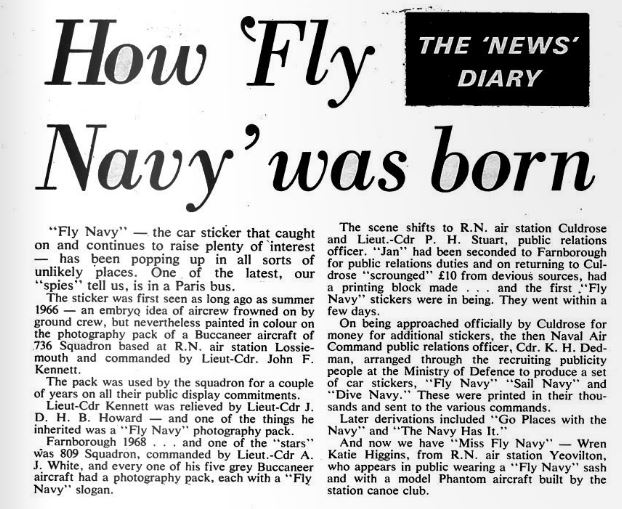
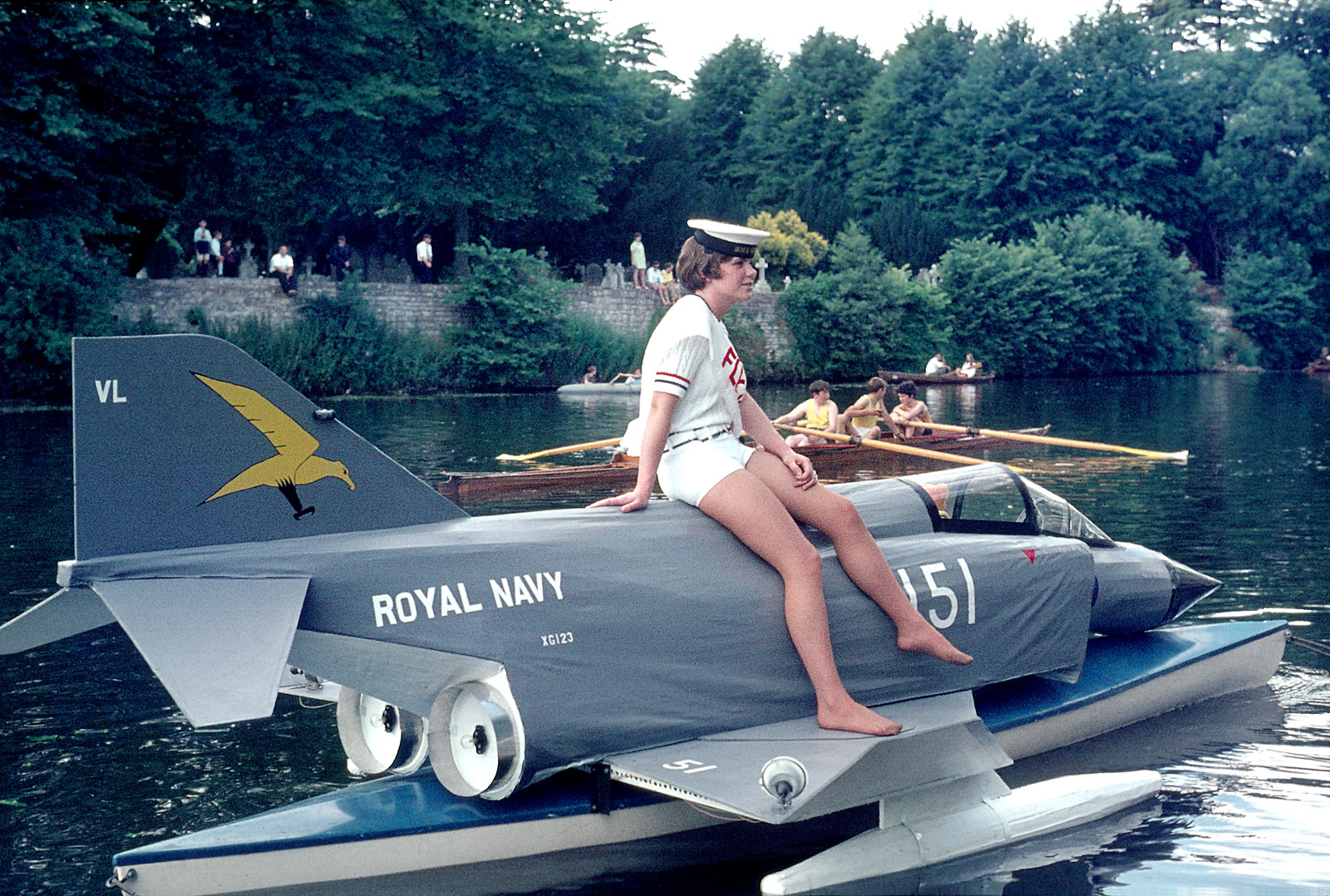
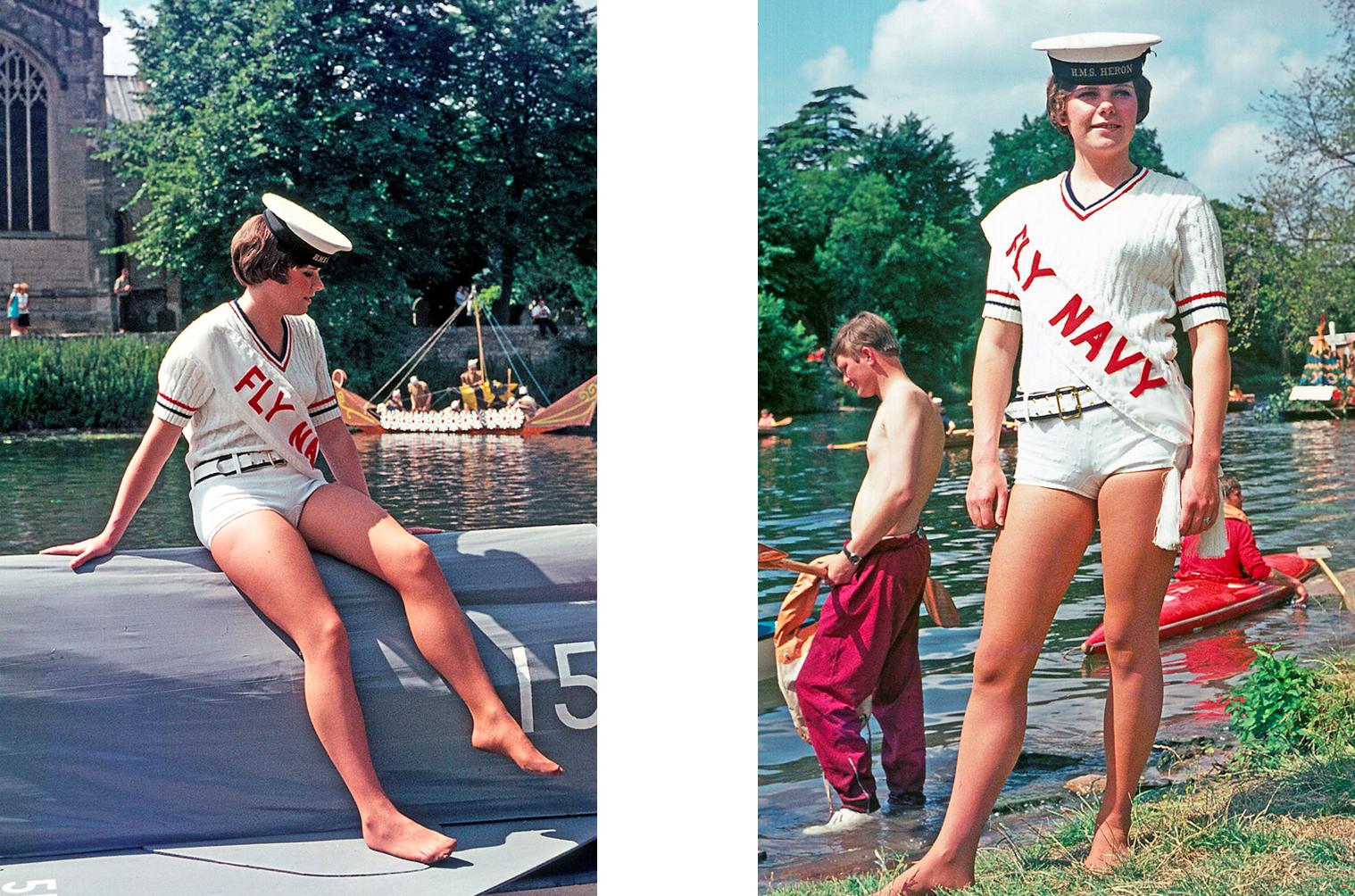
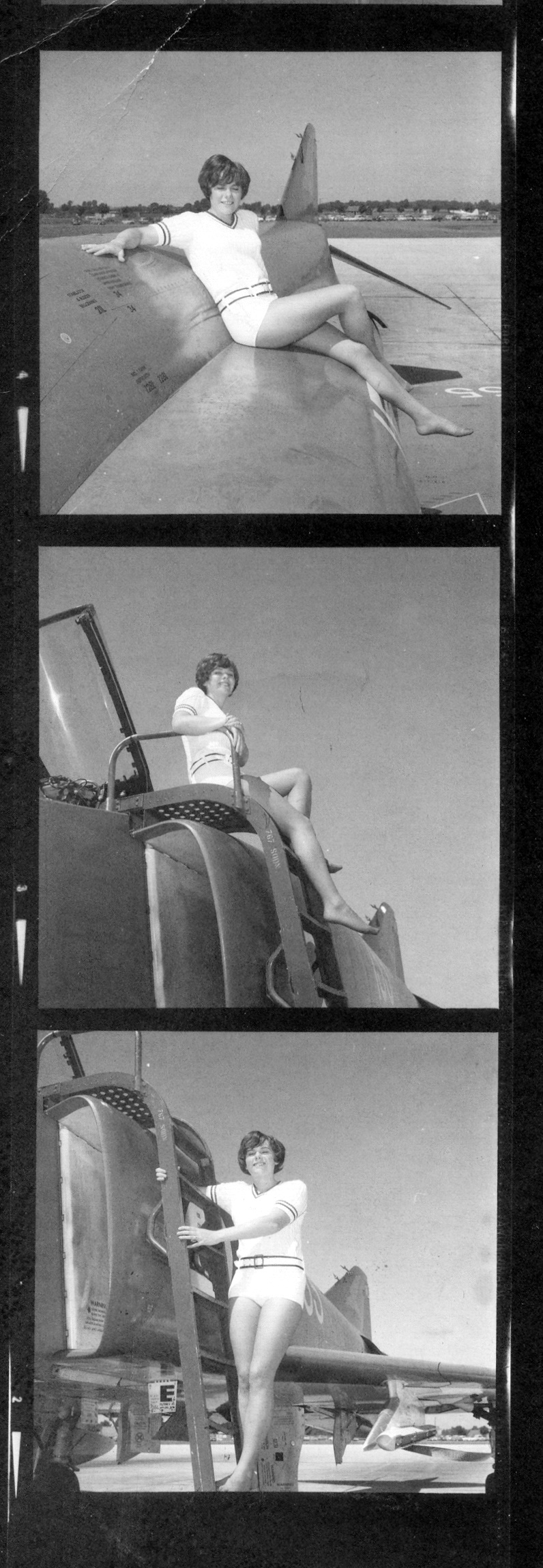
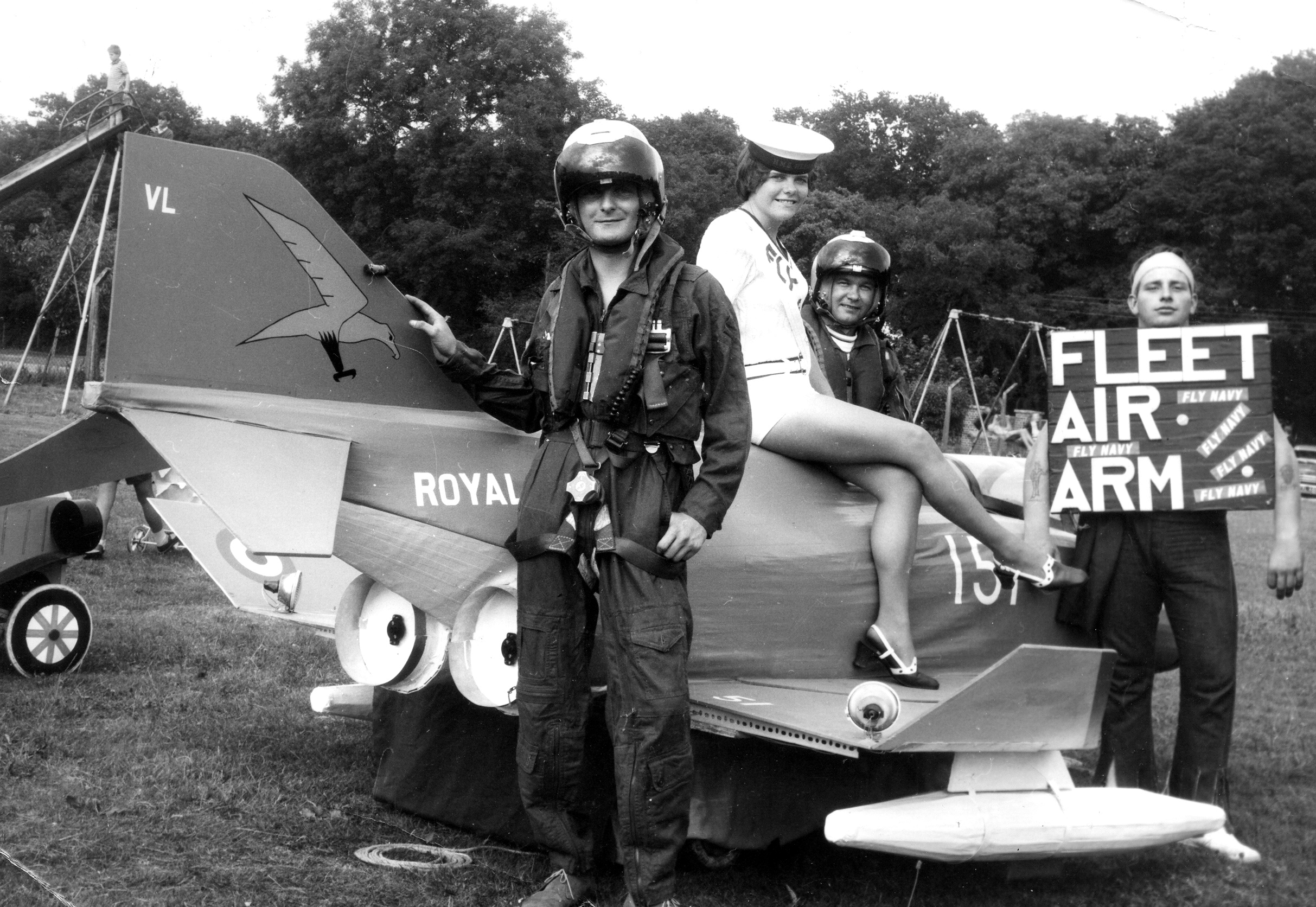
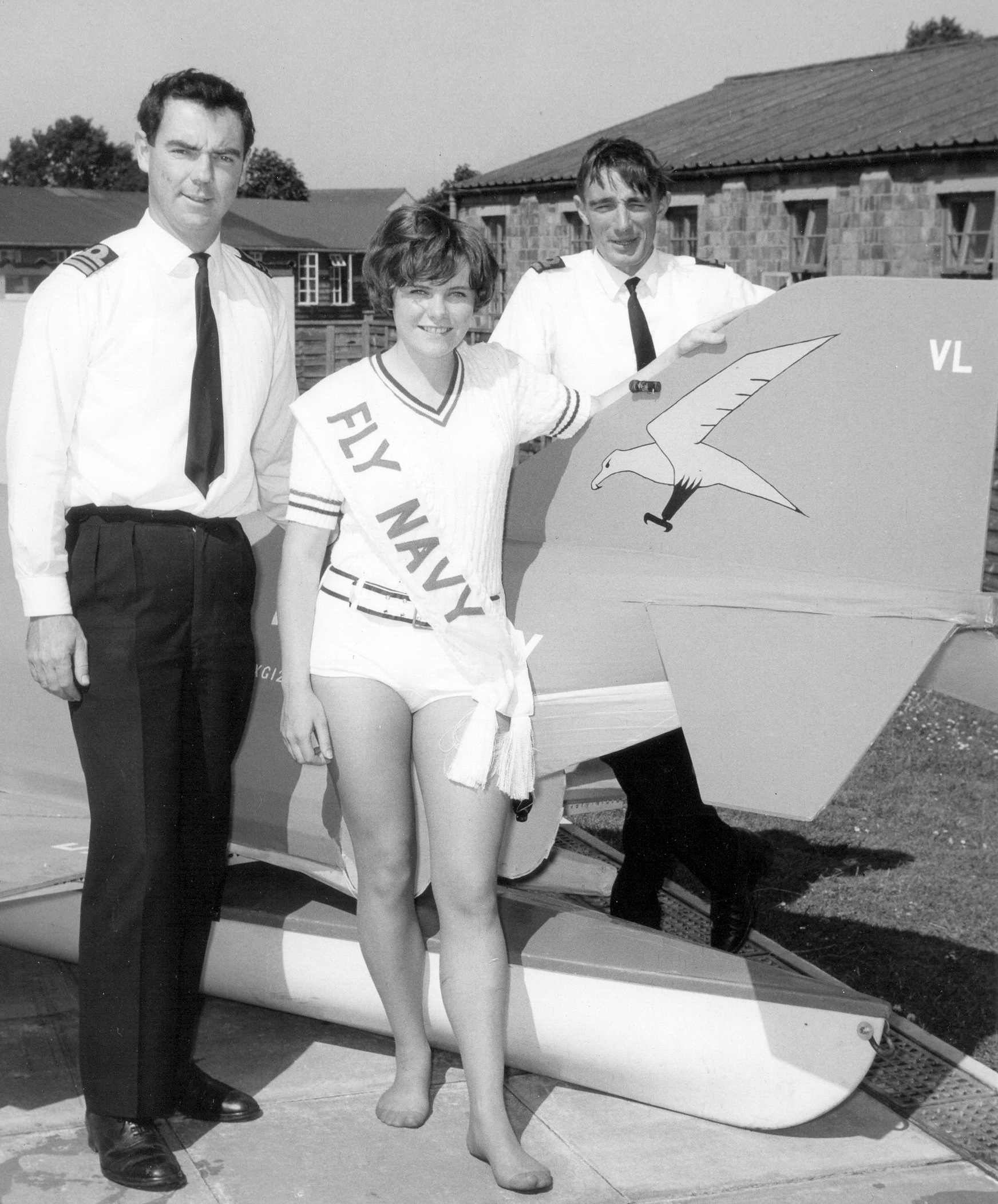
Miss Fly Navy with my floating Phantom

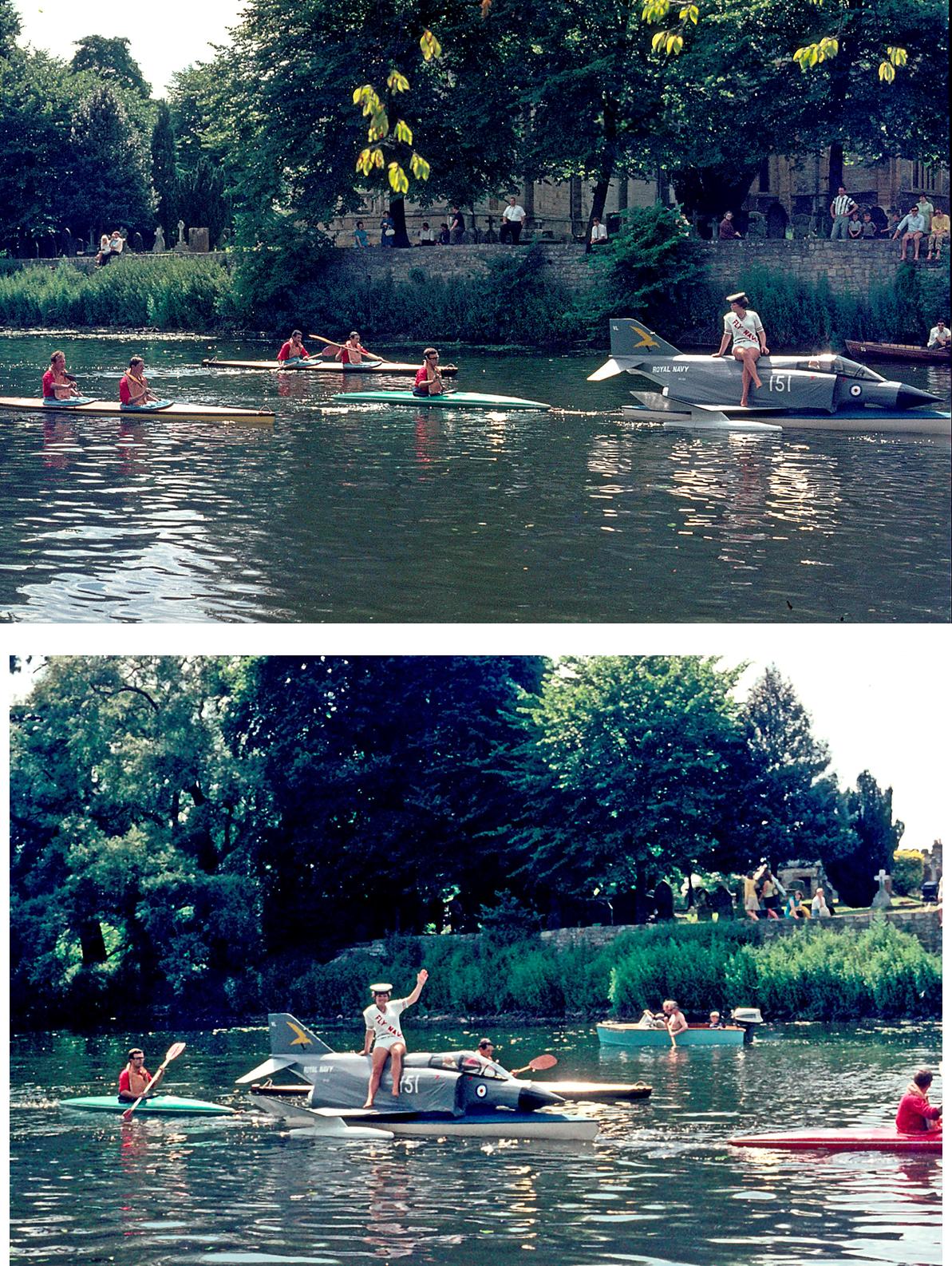
Another interesting part of my time at Yeovilton was that I had joined the canoe club, they had a model Phantom built, about 14 foot long, we started to go to water carnivals with the Phantom mounted on a canoe and towed by the lads, with me perched on top, in shorts, a top and (not sure who suggested it) a banner saying “Fly Navy” on it!

One memory is of us floating along the River Avon, in Stratford-on-Avon, on a lovely summer evening, past the Theatre, where the cast of the current Shakespeare play were on the balcony during their intermission and being bowed to by a regal King in full costume!

I am not sure which came first, the canoe club, Miss Fly Navy, the London to

New York Air Race?

I was putting up with a lot of teasing from the lads watching this photo-shoot! Phantoms are big when you sit on top of them!

But our Phantoms from Yeovilton broke the world record three times running with our superior Rolls Royce engines, the company were so pleased they presented a Rolls Royce car to 892 squadron for their use for a year in recognition! I had my photo taken posed in front of the car with the Phantoms in the background; it was in one of the newspapers at the time.

Yeovilton Canoe Club also won on land!


Senior Pilot and Observer of 767 squadron, Phantoms, (they adopted me as a mascot!)

Our Ship’s Daily Orders had

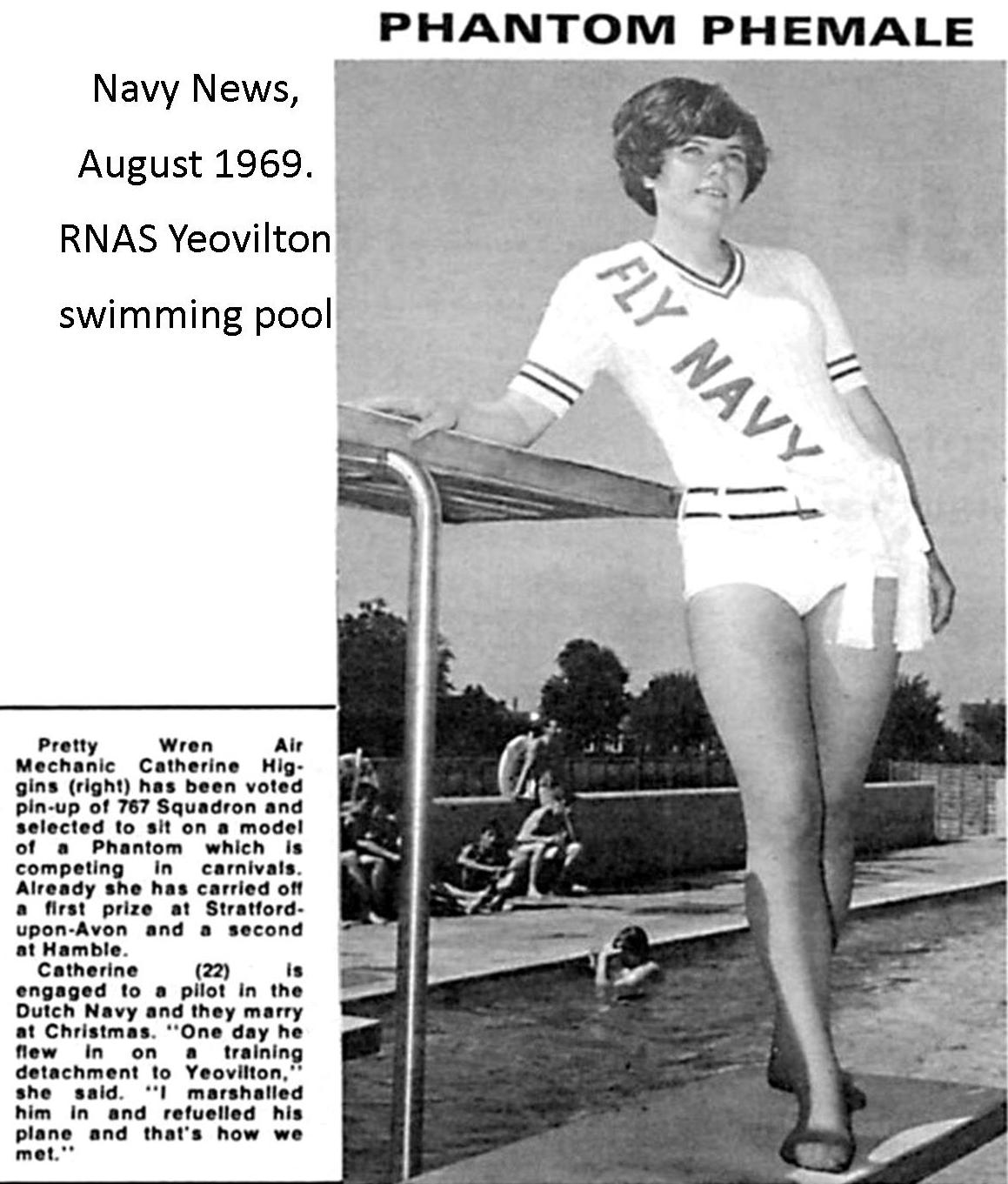
featured a cartoon character called “Phantom Phred” since the aircraft arrived and that summer he suddenly acquired a cartoon girl-friend – “Phantom Phemale”, with news of her canoe club events. We won several carnivals that summer!

The highlight for me was being asked (ordered) to open the Air Day 1969, perched on my Phantom, which was fixed to a trolley usually used for ammo I believe, towed by a tractor along the main runway, waving to the crowds!

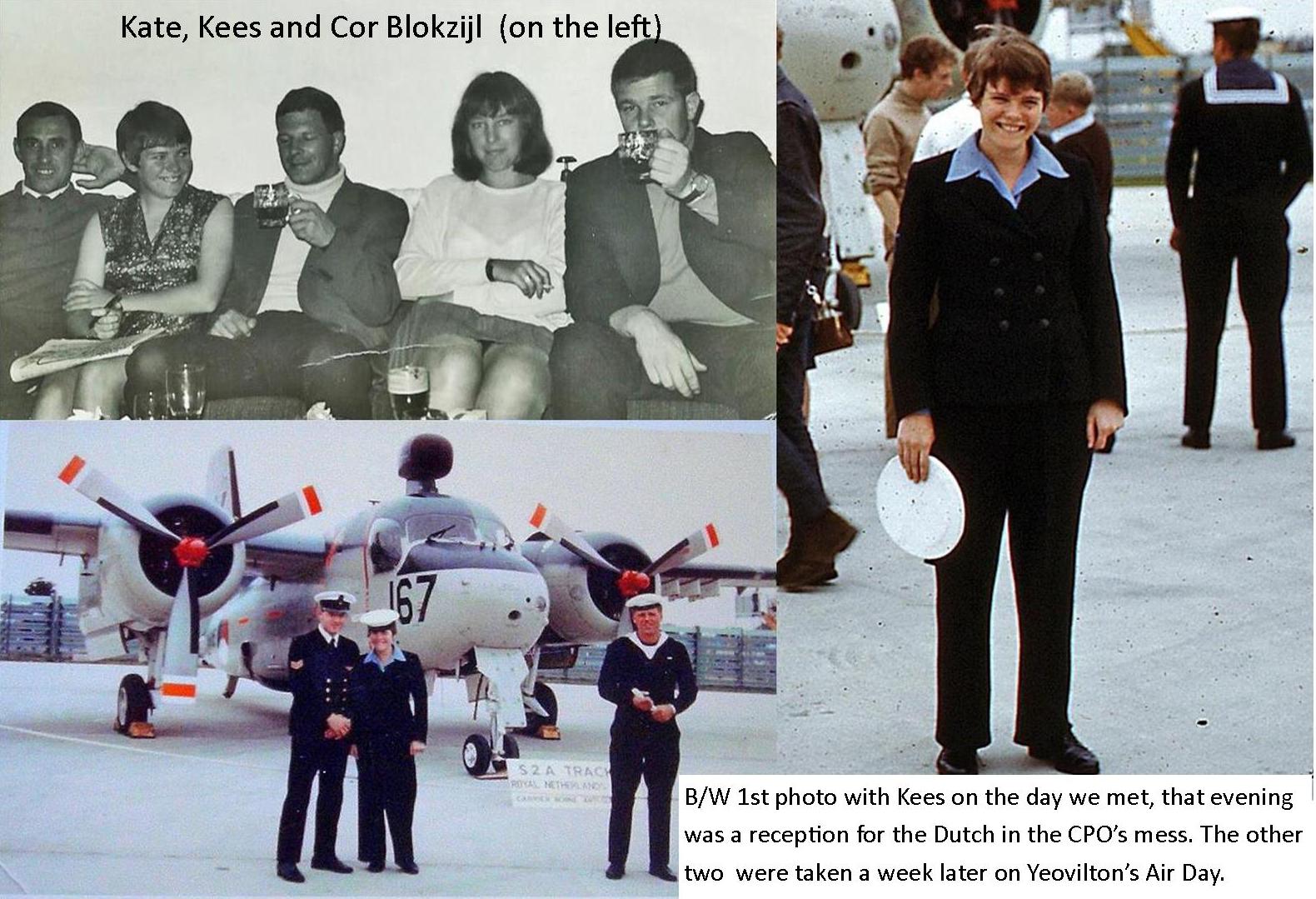
On a personal note; In August 1968 we were told that a Dutch squadron of Grumman Trackers


Kees & Kate, Airday, Yeovilton 1968, in front of his aircraft, a Grumman S-2F anti-submarine Tracker

(anti-submarine bombers) were coming to us for two weeks to take part in a Nato exercise and would be here for that Air Day. We were asked to help further Anglo-Dutch relations, so, after fixing a pilot’s oil filter as soon as they arrived I ended up marrying Sgt Pilot Kees van Zoen in December 1969 and leaving the WRNS to live in Holland for the next 19 years. Kees transferred to the Dutch SAR helicopters and then left to fly with KLM Helikopters to the oil rigs, before moving over to KLM passenger fixed wing aircraft.

After his sudden death in 1988 I and my 2 sons moved back to England. I remarried in 2001.

I had loaned a lot of photographs and press cuttings of my wrens time to the FAA Museum some years ago, and had written to ask for them back last year…. they were having trouble finding them . They have still not turned up.

I then exchanged a couple of emails about this with Lt Carolyn Jones, the FAA Public Relations officer. Who knew nothing about there ever having been a “Miss Fly Navy”, like many Naval institutions it just sort of grew unofficially!

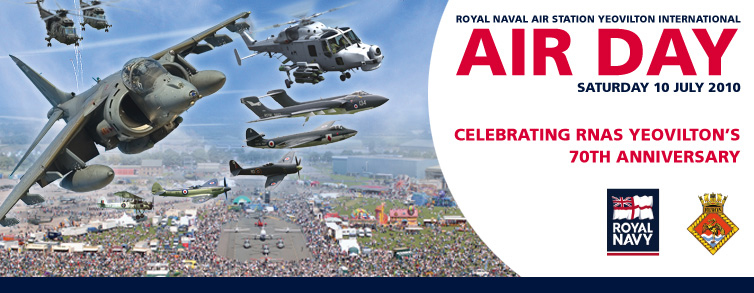
Airday poster, Yeovilton 2009

But I was very surprised to get a phone call from her  asking if I would come down to their 100 years of the FAA Air Day as the guest of RNAS Yeovilton, together with my husband of 7 years, Rob.

The last Yeovilton Air Day I attended was the one I opened in 1969!

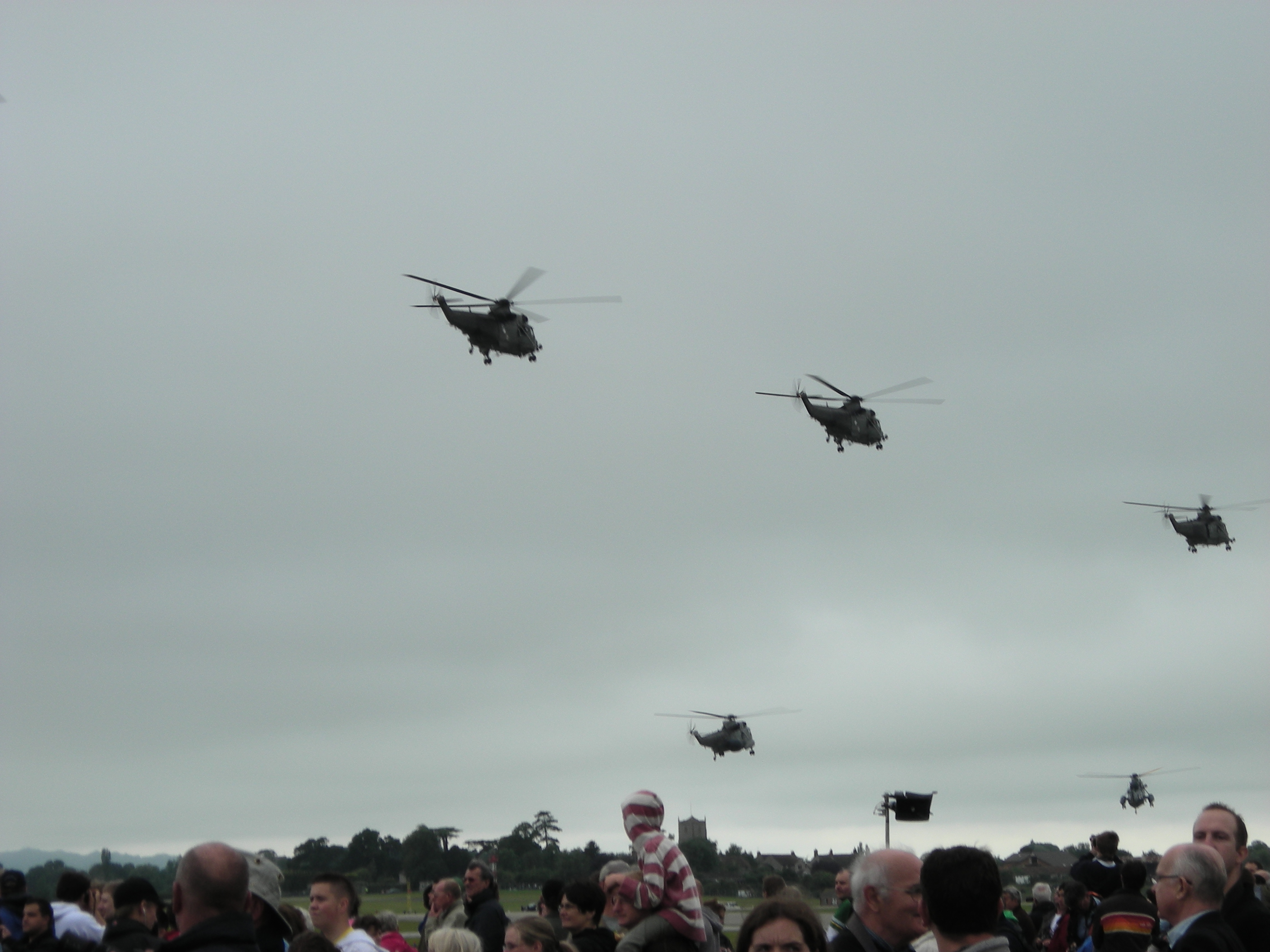
We were invited guests of the Navy at Airday, RNAS Yeovilton, 2009

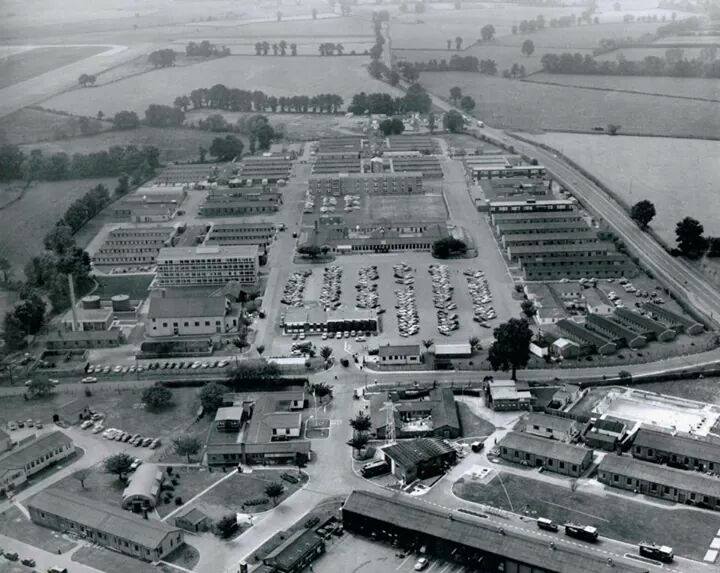
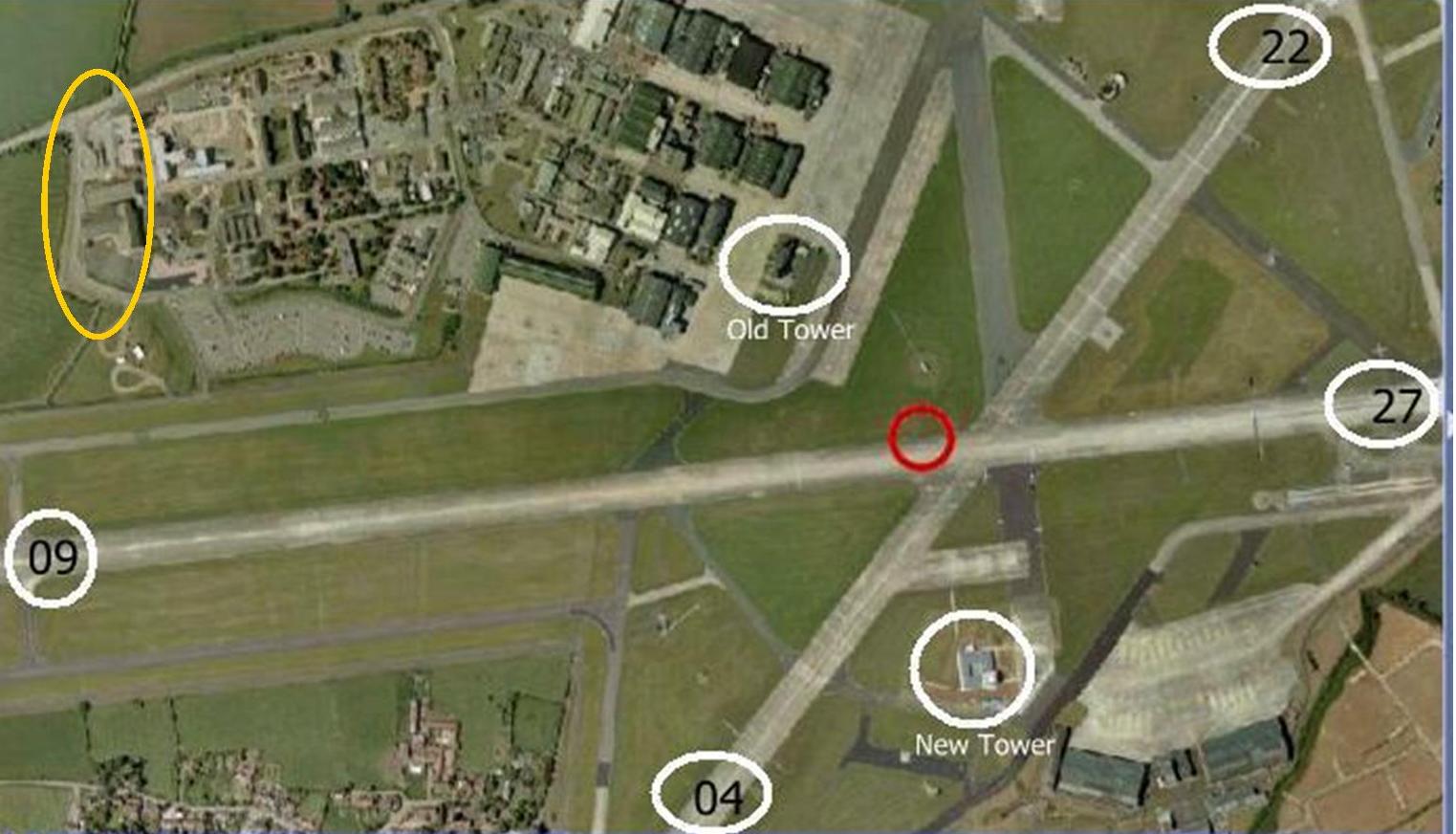
This time I had difficulty working out exactly where things like hangars, control tower and the Visiting Aircraft section (where I worked as an aircraft mechanic) had all been, so much has changed.

I usually say yes to requests that promise an interesting time and we duly received complimentary tickets and car park passes for the Press Enclosure.

We stayed in a great B & B right near the airfield, Hawks House. We stood out in the garden on the Friday evening and watched several of the aircraft fly in. We were all thrilled that when the Vulcan arrived it did several “touch and goes”, touching down and taking off immediately, applying power to those mighty engines, putting on a mini display for all the people who the crew know were watching them arrive. As they unfortunately could not fly on the Saturday at least some of us got to have the pleasure of seeing them fly!

As the river ran/runs under the concrete slabs of the hard-standing where


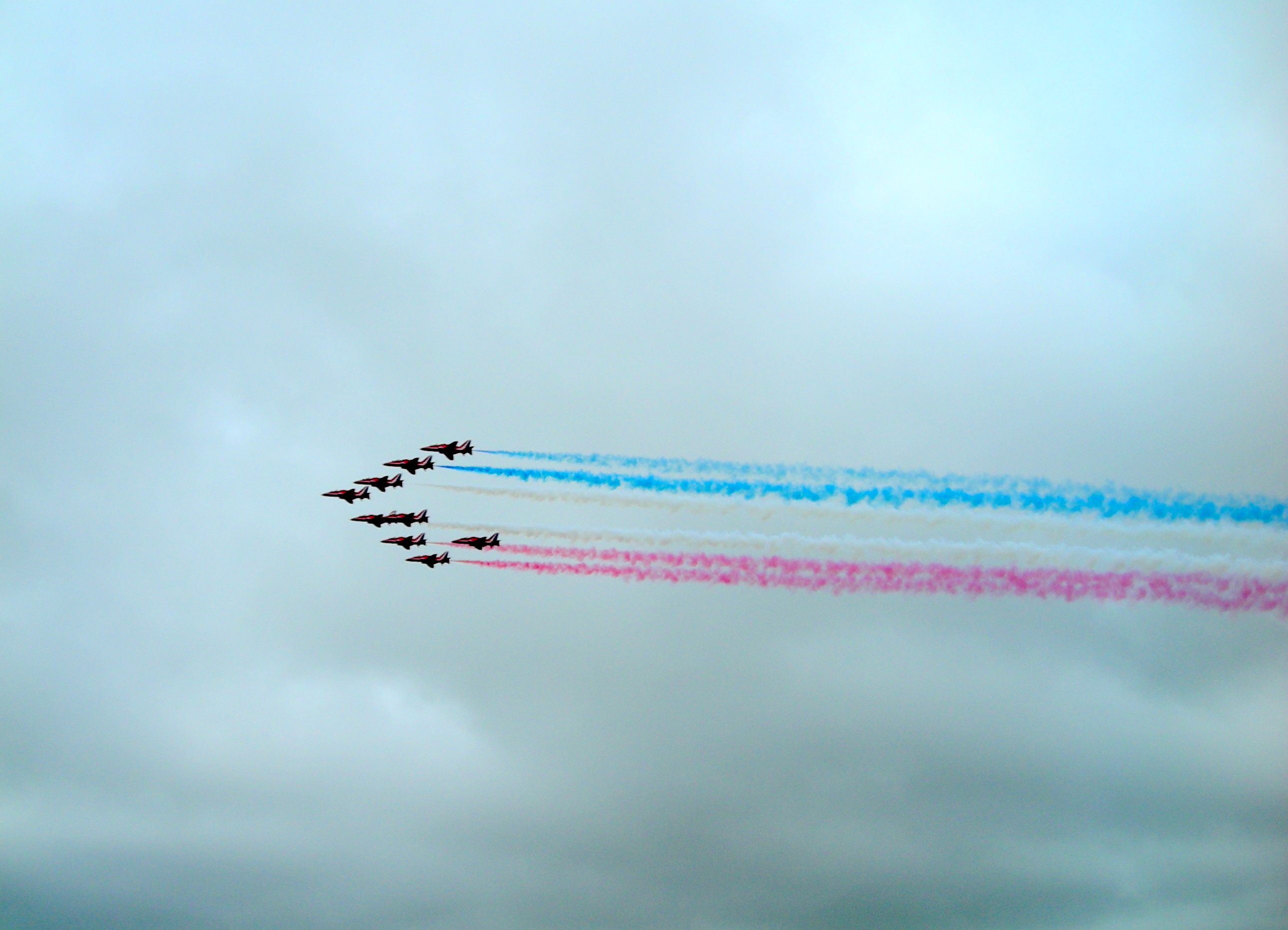
Red Arrows flypast at the 2009 Yeovilton airday

visiting aircraft was, the larger, heavier aircraft could not park there. So when a Vulcan or even a MAC (USA) Globemaster was expected one of us WRNS from Visiting Aircraft would get on our bikes and cycle over to the large “dispersal” area, to marshal them in and do any work required.

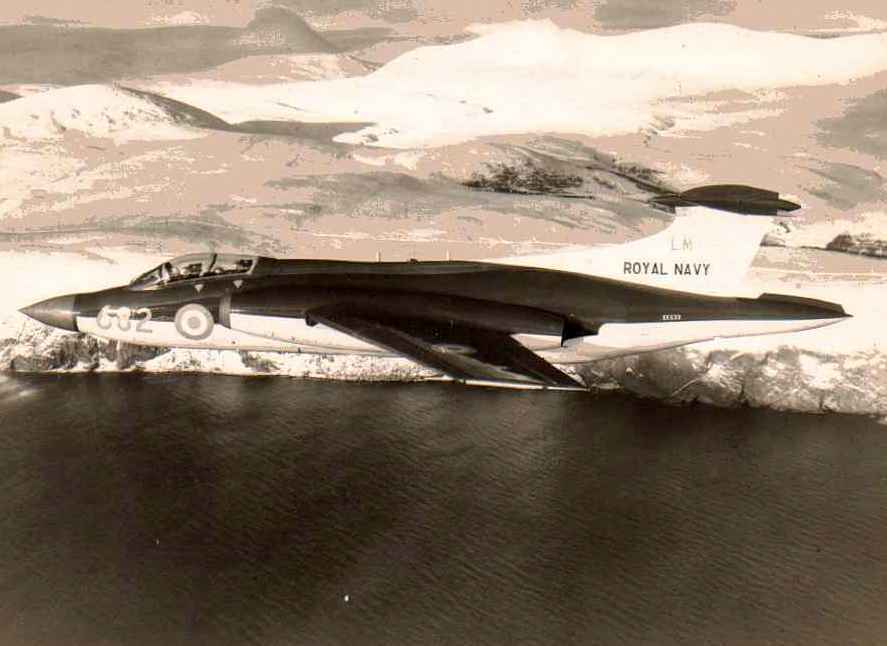
de Havilland Sea Vixen - 6 taking off in formation wakes the heaviest sleepers!

Hearing the ‘roar with a whine’ sound of the Vixen flying really brought the memories flooding back and made my pulse race! The Wrens quarters were near the end of the runway and when the display team of Vixens – ‘Simon’s Circus’ – took off the sound was unimaginable, especially if you had been on late duty and were trying to sleep!

On Christmas day 1968 most of the Yeovilton people were away on leave. I have a vivid memory of a crowd of us who were the skeleton crew, sitting on a fire engine, driving up and down the main runway before retiring to the Naafi for lunch, including some rum someone had hoarded! Wouldn’t be allowed these days!

The issue of rum is not the only change I know has happened at Yeovilton and throughout the Navy. Most of the fixed wing aircraft are gone and it seemed strange to see female officers and ratings as Royal Navy personnel, not as WRNS, with their distinctive uniform, titles etc. The fact that in my day the women did not go to sea nor were under navy regulations and discipline seems good to me.

We stayed in and served our term because we chose to, we saw it as our duty, not because of the punishment we would face should we leave.

I also wonder how modern naval personnel cope with issues of physical differences when it comes to carrying out their work. For instance, one of our daily jobs was doing the routine maintenance on the Hunter training aircraft. This entailed various different jobs, when the mechanic had to crawl up the tailpipe to check the temperature gauges and other parts, the lads would often ask us girls, with our narrower shoulders, to do this for them, whereas they would lug around the heavy oxygen tanks for us.  We were also often asked to do the fiddly delicate jobs such as working through a tiny opening to undo screws that you could not see. Dropping a screw or tool inside the aircraft was a big disaster as it could not fly till the elusive object had been found, which could entail demolishing part of the aircraft to retrieve it! It did not make you popular!

I enjoyed my years in the WRNS very much and would recommend it to anyone looking for a worthwhile career.

Posted in About us | 10 Comments

Northumbrian bible from 8th century (by Rob)

Lindisfarne Gospels

If I mention the Lindisfarne Gospels in the north east of England, most people know what I am talking about.     It is the beautifully illustrated book containing the Gospels of Matthew, Mark, Luke and John which was made by the monks of the Lindisfarne monastery in the 8th century.

Far less of us will know about another equally important book which was produced nearby at the same time, the Codex Amiatinus. The Codex Amiatinus is the oldest complete surviving copy of the Vulgate Bible.    Today, it is held in the Laurentian Library, in Florence, Italy but it is the work of the 8th century monks at the joint monasteries of Jarrow and Monkwearmoth in what was then the kingdom of Northumbria.

The two monasteries in the north east of England were founded by a monk called Benedict Biscop.  When he was a young man, he had travelled to Rome to study the Christian faith, with his friend who was later to be known as St. Wilfred.     In AD 674 King Ecgfrith of Northumbria gave Biscop seventy hides of land on the north side of the river Wear at Monkwearmouth so he could make a start in building a monastery there.     He then went on to build a second one, on the south side of the river Tyne at Jarrow.     He was of noble birth and had wealthy backers.     Unlike most Anglo Saxon monasteries of that time, which were built of wood,   his were of carefully worked stone in the Roman style.

Saxon window in St Pauls, Jarrow. Original glass.

He employed continental stonemasons and coloured glass workers to assist in the work.  Both of the joint monasteries were well endowed with important Christian manuscripts which he had collected in his visits to Italy.

Jarrow & Wearmouth map

In AD 679 Biscop took another trip to Italy, this time with Abbot Ceolfrith, of Jarrow.    They obtained a copy of the Codex Grandior a complete version of the Latin Vulgate Bible which they brought back to Northumbria.

In AD 692, Abbot Ceolfrith began the huge task of producing three copies of the Codex Grandior.     This was about the time where the twin monasteries were given enough land to rear the 2,000 cattle needed to produce enough vellum.  Each of the copies contained 1029 double leaves made from calfskin and weighed over 75 lb.       Scholars believe that the well equipped monastic community used seven different highly trained scribes to complete the work.  The pages were beautifully written out in Latin using clear, large Uncial script.

Benedict Biscop

When the three copies of the Codex Grandior were complete, each of them contained all of the books of Jerome’s Vulgate with the exception of Baruch.  Abbot Ceolfrith gave one to Monkwearmouth and a second to Jarrow.    The remaining one he kept himself so he could take it to Rome, as a present to Pope Gregory II.

In June AD 716, Abbot Ceolfrith, at the age of 74   retired from his post and set out for Rome.   Sadly, he never arrived at his destination, for when he was crossing France he died on the 25th September at Langres monastery in Burgundy.    The faithful Northumbrian monks who were accompanying him took his Bible to Rome and presented it to the Pope on his behalf.

It is not understood why, but the Northumbrian bible was in the possession of the monastery at Monte Amiata in Tuscany from the 9th century until its closure in 1792:  Hence it name, Codex Amiatinus.  After that it was taken to its present location in Florence

A further mystery was that,   centuries ago, the dedication page had been altered and it was only in recent times identified as Ceolfrith’s gift to   Pope Gregory II.  For centuries, it had been believed to be Italian.  The forged amendments are clearly apparent; especially the fifth line which reads “Peter of the Lombards” after “Ceolfrith of the English” had been erased.  The true dedication was verified using ultra-violet light.

Today the original manuscript has been unbound by experts in Florence in order to produce a limited edition number of smaller replica copies, one of which is now on display in the north east of England at the Sunderland (City Library and Arts Centre).   This is to celebrate the adoption of Benedict Biscop as Patron Saint of the City of Sunderland.

Posted in Books, Celtic 'saints' | Leave a comment

St Brendan the Navigator

St Brendan the Navigator

In July 2010 Rob and I flew off on a great adventure, following Brendan! But we travelled the northern arc route in the secure comfort of modern aircraft from Newcastle upon Tyne; via Amsterdam to Portland Oregon.

St. Brendan (Brendan the Navigator or Brendan the Voyager) was born in Ireland in 484. He was a Celtic monk who travelled far and wide in the 6th century, possibly even following the same northern arc route to North America from Ireland. In 512 Brendan was ordained to the priesthood; between the years 512 and 530 he built monastic cells at Ardfert, at Shanakeel or Baalynevinoorach, in County Kerry and at the foot of ‘Brandon’ Hill. It was from here that he set out on his most famous voyage.

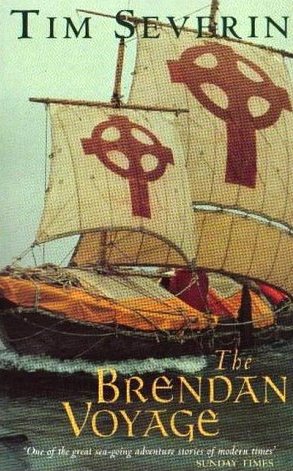
'The Brendan Voyage', cover of Tim Severin's book

The accounts of his voyages were well known in past times, but many are inclined to think it was all myth and make-believe.

But his voyage from Ireland to the North Americas has been reconstructed by British navigation scholar, Tim Severin, in 1976.  He had meticulously worked to make sure that the leather skinned boat he had made was, for all intents and purposes, identical to the ‘mythological’ boat, described in the 11th century book, ‘Navigatio’,  in which St. Brendan and the Irish monks crossed the North Atlantic centuries before the Vikings. He proved it could be done.

Severin sailed this boat from Ireland to Newfoundland via Iceland and Greenland, demonstrating the accuracy of its directions and descriptions of the places Brendan mentioned in his epic, and proving that a small boat could have sailed from Ireland to North America.

His book  “The Brendan Voyage” is fascinating.

Many places still carry the name of Brendan, or Brandon

(another form of the same name)

A pictorial map of Brandon Hill Bristol

Rob and I had both lived in and around Bristol, in South West England, for many years till we moved to the North East. It was a very important seaport, the estuary of the River Avon,  especially for those heading for the “new World” across the Atlantic Ocean. As John Cabot left on his New World voyages of discovery, in 1497 he would pass Brandon Hill, named after St. Brendan. Before the Reformation, there was a shrine on top and the sailors would actually pray to St. Brendan for protection instead of praying to the God that St. Brendan served. That is why the shrine was removed after the Reformation, though the hill still bears the same name.

Back to Brendan: On the Irish Kerry coast, he built a curragh, or large coracle, of wattle, covered it with hides tanned in oak bark softened with butter, set up a mast and a sail, and after a prayer upon the shore he and his company of monks  set off into the unknown, guided by their faith in God.

This is the prayer that is believed to have been said by Brendan on that shore

Saint Brendan’s Prayer:

Shall I abandon, O King of mysteries, the soft comforts of home?

Shall I turn my back on my native land, and turn my face towards the sea?

Shall I put myself wholly at your mercy, without silver, without a horse, without fame, without honour?

Shall I throw myself wholly upon You, without sword and shield, without food and drink, without a bed to lie on?

Shall I say farewell to my beautiful land, placing myself under Your yoke?

Shall I pour out my heart to You, confessing my manifold sins and begging forgiveness, tears streaming down my cheeks?

Shall I leave the prints of my knees on the sandy beach, a record of my final prayer in my native land?

Shall I then suffer every kind of wound that the sea can inflict?

Shall I take my tiny boat across the wide sparkling ocean?

O King of the Glorious Heaven, shall I go of my own choice upon the sea?

O Christ, will You help me on the wild waves?


For seven years they voyaged to find the Promised Land of the saints, and amazing stories are told of his wanderings in the ‘Navigatio’ and other documents. Eventually they reached the “Terra Repromissionis”, the Paradise or Promised Land, a most beautiful island with luxuriant vegetation.

Maybe the Irish can claim they discovered America?

This claim rests in part on the account of the Vikings who found a region south of the Chesapeake Bay, which is a large estuary in the United States. It lies off the Atlantic Ocean, surrounded by Maryland and Virginia. It was called “Irland ed mikla”(Greater Ireland),

Chi-Rho (Name of Christ)

and on stone carvings discovered in West Virginia dated between 500 and 1000 A.D.  Analyses by experts indicate that these carvings are written in Old Irish using the Ogham alphabet. According to them, “the West Virginia Ogham texts are the oldest Ogham inscriptions anywhere in the world. They exhibit the grammar and vocabulary of Old Irish in a manner previously unknown in such early rock-cut inscriptions in any Celtic language….. Early Christian symbols such as Chi-Rho monograms (Name of Christ) and the Dextra Dei (Right Hand of God) appear at the sites together with the Ogham texts.”

The Irish monks were renowned as sea-farers centuries before Columbus. Tradition says that they reached Iceland and explored even farther afield in the Atlantic. Some scholars who long doubted that the voyage described by Brendan could have made it to North America have reconsidered their position based on the research and pilgrimage of Tim Severin.

After many years of seafaring Brendan at last returned to Ireland.  Brendan also founded a monastery at Inis-da-druim (now Coney Island, County Clare), about the year 550. He journeyed to Wales, and later to the Scottish Island of Iona, and was a disciple of St. Finian. After three years in Britain he returned to Ireland and did much good work in various parts of the land. The great mountain that juts out into the Atlantic in County Kerry is called Mount Brandon, because he built a little chapel atop it, and the bay at the foot of the mountain is Brandon Bay. He founded many churches and other Christian communities but his most famous, founded in  557, is Clonfert in Galway. This huge monastery housed 3,000 monks, whose rule of life  was very austere, and also included a convent for women initially placed under the charge of his sister, St. Briga.

Brendan died at Enach Duin, now called Annaghdown, in 577, on a visit to his sister while she was abbess of a convent there. Despite a life of exceeding piety and many dangerous travels, he had great anxiety about the last journey of death. His dying words to Briga are reported to have been: “I fear that I shall journey alone, that the way will be dark; I fear the unknown land, the presence of my King and the sentence of my judge.”

Brendan’s feast day is celebrated on May 16.

"Santa Maria" on Spanish postage stamp

It is well established that Columbus went to look for St. Brendan’s Isle when he discovered the West Indies. As a student of the University of Pavia, Columbus would have learned of Brendan’s voyage from the manuscripts brought there, seven hundred years previously, by Dugal, student and founder of the University of Pavia.

On the eve of his great voyage aboard the Santa Maria in 1492 he wrote: “I am convinced that the terrestrial paradise is in the Island of Saint Brendan, which none can reach save by the Will of God.

Posted in Celtic 'saints', Living spirituality | Leave a comment